
Why Adding Besan to Chapati Atta in Winter Can Make Your Daily Meals Healthier
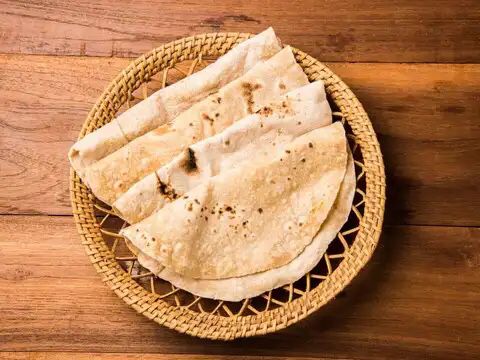
New Delhi, Dec 20: Winter is the season when the body naturally looks for food that feels warm, filling, and comforting. In many Indian homes, rotis remain a daily staple throughout the year. While the recipe rarely changes, a small and simple addition during winter can make a big difference. Adding besan, or gram flour, to regular wheat chapati atta is an easy way to improve nutrition without changing cooking habits or taste too much. Besan has long been used in Indian kitchens for dishes like chillas, kadhi, and snacks, but it also works well when mixed with wheat flour for rotis. Its mild nutty flavour adds depth, while its nutritional profile makes winter meals more balanced. Since besan is warming in nature, it suits colder months when the body needs extra energy and nourishment. One of the key reasons to add besan to chapati atta is its higher protein content. Compared to wheat flour, besan contains more protein, which helps support muscle health and keeps meals more satisfying. When used in small amounts, it boosts protein intake without affecting the softness or taste of rotis. This is especially helpful for people who depend heavily on rotis as their main source of energy during the day. Another benefit is that besan helps keep you full for longer. The combination of protein and fibre slows down digestion, which means you feel satisfied for a longer time after eating. This can reduce frequent hunger or unnecessary snacking between meals. In winter, when physical activity often reduces, such filling meals can help maintain steady energy levels. Besan can also support better blood sugar balance. It digests more slowly than refined flours and helps prevent sudden spikes in blood sugar levels after meals. When combined with wheat flour and paired with cooked vegetables or dals, besan-mixed rotis can be a smarter choice for people trying to eat mindfully. While it is not a medical solution, it fits well into a balanced diet. Adding besan also brings more variety to daily nutrition. Wheat flour alone offers limited micronutrients, but besan contributes minerals like iron, magnesium, and folate. Mixing the two flours is an easy way to diversify nutrients without changing the structure of meals or introducing unfamiliar foods. For those who prefer simple home-cooked meals, this small step adds value without extra effort. Texture is another advantage when besan is used in the right proportion. Rotis made with a wheat and besan mix tend to be slightly softer and more flavourful. The subtle nutty taste makes them more satisfying, often reducing the need for extra ghee or heavy sides. However, balance is important, as too much besan can make the dough dense or difficult to roll. For everyday use, replacing about 10 to 20 per cent of wheat flour with besan works well. This usually means adding one to two tablespoons of besan per cup of atta. This ratio keeps the dough easy to knead and the rotis simple to cook. Beginners are advised to start with smaller amounts and adjust based on taste and digestion. However, besan may not suit everyone. People who experience frequent bloating, acidity, or digestive discomfort should be cautious. Those with chickpea or legume allergies should avoid it altogether. Anyone recovering from digestive issues should introduce besan slowly or consult a health professional. For first-time users, kneading the dough well, avoiding thick rotis, pairing meals with cooked vegetables, and drinking enough water can help digestion. When used thoughtfully, besan can turn everyday rotis into a warmer, more nourishing winter staple, proving that small changes in the kitchen can go a long way. Why Adding Besan to Chapati Atta in Winter Can Make Your Daily Meals Healthier Winter meals are all about warmth, comfort, and feeling full for longer. If rotis are a daily part of your plate, a small change can make them more nourishing without changing your routine. Adding a little besan to your regular wheat chapati atta is an easy and traditional way to boost nutrition during the colder months. Besan, or gram flour, has a naturally warming quality and a mild nutty flavour that blends well with wheat flour. When used in small amounts, it does not overpower the taste or change the texture of rotis. Instead, it quietly adds more goodness to a food you already eat every day. One of the biggest benefits of mixing besan into chapati atta is higher protein intake. Besan contains more protein than wheat flour, which helps make meals more balanced and satisfying. It also contains fibre, which slows digestion and helps you stay full for longer. This can reduce frequent hunger and unnecessary snacking, especially in winter when activity levels are often lower. Besan-mixed rotis also support better blood sugar balance. Since besan digests slowly, it helps avoid sudden sugar spikes after meals, especially when paired with cooked sabzis or dals. It also adds important nutrients like iron, magnesium, and folate, bringing more variety to daily nutrition without extra effort. When used in the right proportion, besan can even improve the texture of rotis, making them softer and more filling. The key is balance. Replacing about 10–20% of wheat flour with besan works well for everyday use. Beginners should start small and see how their body responds. However, besan may not suit everyone. People with digestion issues, bloating, or legume allergies should be careful or avoid it. Introducing it slowly and drinking enough water can help with digestion. Sometimes, simple kitchen swaps can make the biggest difference.