West Asia Conflict Disrupts 25% of India’s Natural Gas Imports; Government Secures Alternative Supplies
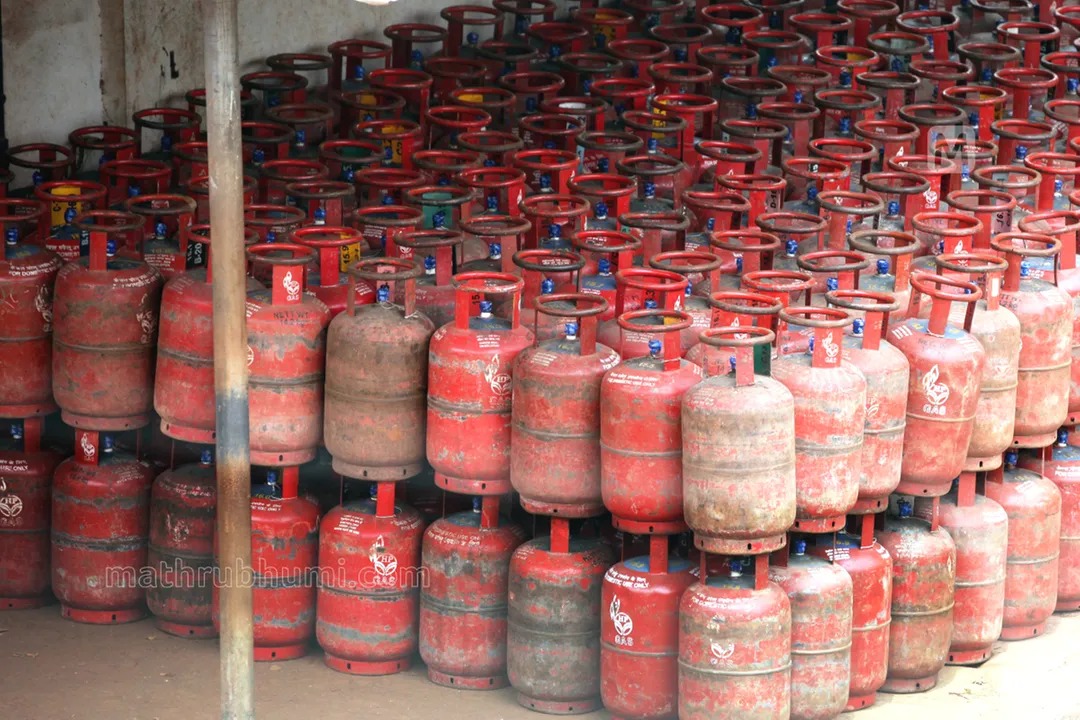
New Delhi | 11 March 2026 The ongoing tensions in West Asia have begun affecting India’s energy supply, with nearly 25% of the country’s natural gas imports facing disruption due to force majeure declared by foreign suppliers. Officials from the Ministry of Petroleum and Natural Gas said the government is actively arranging alternative liquefied natural gas (LNG) shipments to manage the shortfall and maintain a stable supply in the country. Speaking on the situation, ministry official Sujata Sharma said, “Our total consumption [of natural gas] per day currently is about 189 million metric standard cubic metres a day (MMSCMD). Out of this, around 97.5 MMSCMD is produced domestically and the rest is imported. Out of the imports, about 47.4 MMSCMD is affected due to force majeure conditions.” She added that LNG cargoes from new sources have already been secured and are currently on their way to India to help compensate for the disruption. The conflict has also raised concerns about oil transportation through the Strait of Hormuz, a key global shipping route through which nearly half of India’s crude oil imports usually pass. However, officials said India’s crude oil supply remains stable as the country has diversified its procurement strategy and is now importing oil from around 40 nations. Due to these efforts, about 70% of India’s crude imports are now arriving through routes outside the Strait of Hormuz, compared with roughly 55% earlier. To manage domestic demand, the government has taken several policy measures, including invoking the Essential Commodities Act to prioritise natural gas allocation for essential sectors such as households and the automobile industry. Authorities have also increased domestic production of liquefied petroleum gas (LPG) by 25% to meet cooking gas demand, while closely monitoring supply distribution to prevent panic buying or hoarding. Officials said these steps are aimed at ensuring energy availability for consumers while maintaining stability during the ongoing geopolitical crisis. West Asia Conflict Disrupts 25% of India’s Natural Gas Imports; Government Secures Alternative Supplies The ongoing tensions in West Asia have begun affecting India’s energy supply, with nearly 25% of the country’s natural gas imports facing disruption due to force majeure declared by foreign suppliers. Officials from the Ministry of Petroleum and Natural Gas said the government is actively arranging alternative liquefied natural gas (LNG) shipments to manage the shortfall and maintain a stable supply in the country. Speaking on the situation, ministry official Sujata Sharma said, “Our total consumption [of natural gas] per day currently is about 189 million metric standard cubic metres a day (MMSCMD). Out of this, around 97.5 MMSCMD is produced domestically and the rest is imported. Out of the imports, about 47.4 MMSCMD is affected due to force majeure conditions.” She added that LNG cargoes from new sources have already been secured and are currently on their way to India to help compensate for the disruption. The conflict has also raised concerns about oil transportation through the Strait of Hormuz, a key global shipping route through which nearly half of India’s crude oil imports usually pass. However, officials said India’s crude oil supply remains stable as the country has diversified its procurement strategy and is now importing oil from around 40 nations. Due to these efforts, about 70% of India’s crude imports are now arriving through routes outside the Strait of Hormuz, compared with roughly 55% earlier. To manage domestic demand, the government has taken several policy measures, including invoking the Essential Commodities Act to prioritise natural gas allocation for essential sectors such as households and the automobile industry. Authorities have also increased domestic production of liquefied petroleum gas (LPG) by 25% to meet cooking gas demand, while closely monitoring supply distribution to prevent panic buying or hoarding. Officials said these steps are aimed at ensuring energy availability for consumers while maintaining stability during the ongoing geopolitical crisis.