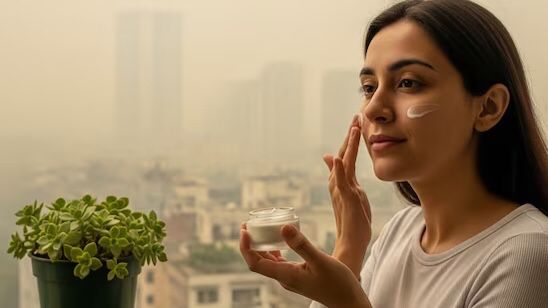
Dermatologist Explains Common Causes of Dark Circles and Home Remedies to Manage Them
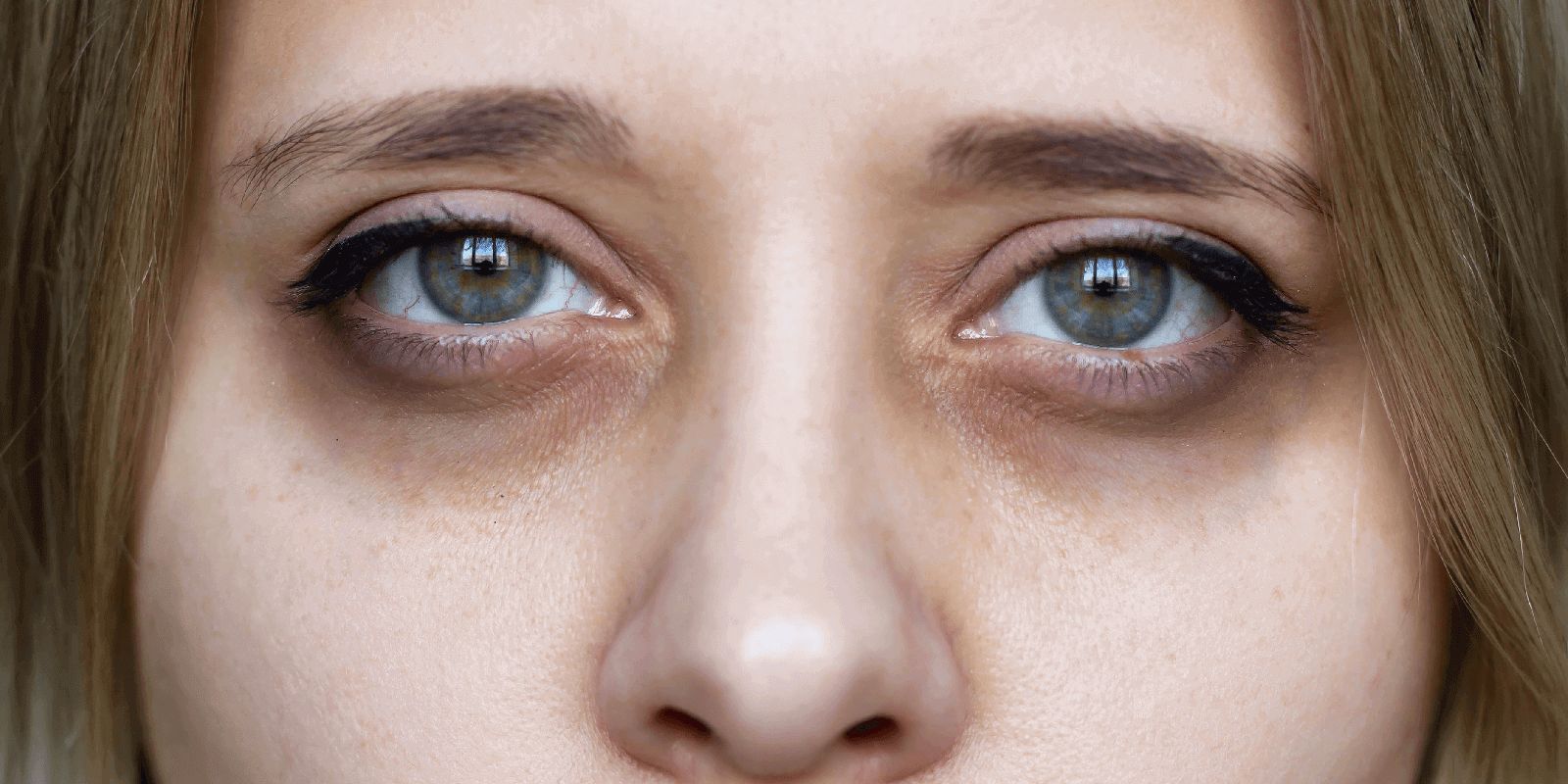
New Delhi, December 22, 2025 Dark circles and puffy eyes are one of the most common skin concerns, affecting people of all ages. Beyond making the face appear tired or gloomy, they can also make the eyes look smaller and less bright. While many people try creams, masks, or treatments, dark circles often persist, as the underlying causes vary from person to person. Dermatologists stress that understanding the reason behind the dark circles is essential for effective treatment. Dr. Amit Bangia of Asian Hospital explains that several factors contribute to dark circles, including genetics, skin anatomy, pigmentation, vascular visibility, aging, lifestyle, and certain medical conditions. He notes that sometimes dark circles appear because of hereditary traits. People with naturally thin skin under the eyes, deeper under-eye hollows, or prominent blood vessels often develop dark circles early in life. This is not the same as pigmentation but occurs due to increased visibility of underlying blood vessels. Pigmentation-related causes are also common. Excess melanin around the lower eyelid, medically known as periorbital hyperpigmentation, can result from allergies, frequent rubbing of the eyes, hormonal changes, chronic inflammation, or prolonged sun exposure. Dr. Bangia emphasizes that protecting the under-eye area from sunlight daily is vital to prevent further darkening. Another factor is vascular congestion, which occurs when blood vessels under the skin become enlarged or filled. Stress, lack of sleep, dehydration, or sinus congestion can make the area appear darker and more fatigued. Aging also plays a role, as collagen, elastin, and fat pads under the eyes reduce over time, creating hollows that accentuate dark circles even in the absence of pigmentation. Lifestyle habits significantly affect the under-eye area as well. Excessive screen time, irregular sleep, smoking, alcohol consumption, and dehydration can worsen dark circles. Dr. Bangia also warns that persistent dark circles may indicate underlying medical conditions such as anemia, thyroid disorders, chronic sinusitis, or allergies. While clinical treatments can provide faster and targeted results, home remedies can help improve the overall appearance of dark circles. Applying a cold compress can reduce swelling and inflammation, while caffeine-based treatments like green tea bags or serums improve blood circulation. Aloe vera gel moisturizes and soothes the delicate under-eye skin, and using vitamin E or almond oil at night can nourish and repair it. Adequate sleep of seven to eight hours and proper hydration are crucial for reducing puffiness, and daily sun protection helps prevent further pigmentation and dryness. Dr. Bangia advises that if dark circles persist despite lifestyle changes and home remedies, individuals should consult a dermatologist for a proper evaluation and treatment plan. Understanding the root cause is key, as each type of dark circle may require a different approach for effective management. With consistent care, attention to habits, and medical guidance when necessary, the appearance of dark circles can be significantly reduced, helping the eyes look brighter and refreshed. Dermatologist Explains Common Causes of Dark Circles and Home Remedies to Manage Them Dark circles and puffy eyes are more than just a cosmetic concern—they can make your face look tired and your eyes smaller. According to Dr. Amit Bangia of Asian Hospital, there are several reasons why dark circles appear, and understanding the cause is key to treating them effectively. Genetics plays a big role. People with naturally thin skin under their eyes, deeper under-eye hollows, or visible blood vessels may notice dark circles early in life. Pigmentation is another reason—excess melanin under the eyes can develop due to allergies, hormonal changes, chronic inflammation, or frequent sun exposure. Protecting the delicate under-eye skin from the sun is essential to prevent further darkening. Vascular congestion is also common. Stress, lack of sleep, dehydration, or sinus issues can make blood vessels under the eyes more visible, leaving the area looking dark and tired. Aging contributes too, as the loss of collagen, elastin, and fat pads under the eyes can create hollows that accentuate shadows. Lifestyle factors such as irregular sleep, too much screen time, smoking, alcohol, and dehydration can worsen the problem. Persistent dark circles may sometimes point to medical conditions like anemia, thyroid issues, sinus problems, or allergies. While clinical treatments work faster, home remedies can help improve the appearance of dark circles. Cold compresses reduce swelling, caffeine-based treatments like green tea bags improve circulation, and aloe vera gel soothes and moisturizes. Applying vitamin E or almond oil at night, staying hydrated, getting enough sleep, and protecting your skin from the sun can also make a noticeable difference. If dark circles continue despite these measures, Dr. Bangia advises consulting a dermatologist to identify the root cause and expbylore suitable treatments. With consistent care and simple lifestyle adjustments, you can brighten the under-eye area and give your eyes a refreshed, healthy look.