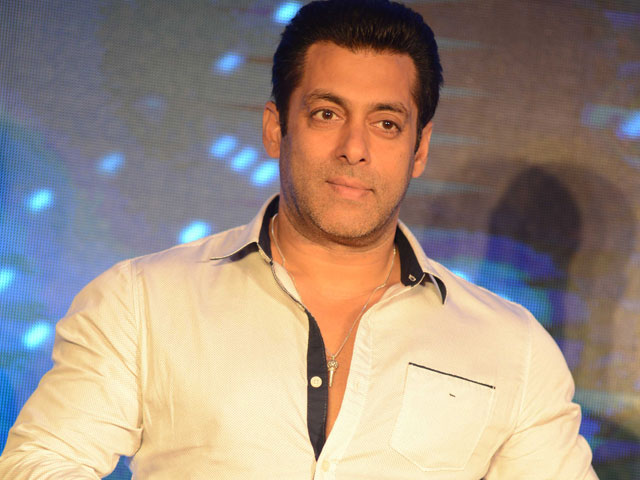
India Defends Artistic Freedom After China Criticises Salman Khan’s Film on Galwan Clash

New Delhi, December 30, 2025 India on Tuesday strongly responded to criticism from Chinese state media over the upcoming Salman Khan-starrer Battle of Galwan, asserting that artistic and cinematic freedom is a fundamental part of the country’s democratic framework. Government sources said Indian filmmakers have every right to tell stories through cinema, and the government has no role in controlling or shaping such creative expression. The reaction came after China’s state-run newspaper Global Times claimed that the film “distorts facts” related to the violent Galwan Valley clash of June 2020 between Indian and Chinese troops in eastern Ladakh. The movie is based on the deadly confrontation that took place along the Line of Actual Control, marking the most serious military clash between the two countries in decades. According to Indian government sources, freedom of expression, including films, is protected in India, and cinema remains an important medium to reflect stories, emotions, and perspectives. Officials clarified that Battle of Galwan is not a government-backed project and that the authorities have no involvement in the making of the film. They added that anyone seeking clarifications on military matters is free to approach the Ministry of Defence through official channels. The film is set against the backdrop of the 2020 Galwan Valley clash between soldiers of the Indian Army’s 16 Bihar Regiment and troops of China’s People’s Liberation Army. It draws inspiration from the book India’s Most Fearless 3 by journalists Shiv Aroor and Rahul Singh, which chronicles acts of courage by Indian soldiers. In the movie, Salman Khan plays Colonel Bikkumalla Santosh Babu, the commanding officer of the 16 Bihar Regiment, who lost his life while leading his troops during the face-off. Colonel Santosh Babu was among the 20 Indian soldiers who were killed in brutal hand-to-hand combat, fought without firearms due to existing border agreements between the two countries. India officially acknowledged the loss of 20 soldiers soon after the incident. China, however, initially denied suffering any casualties and later claimed that only four of its soldiers were killed, a figure that many experts believe significantly underplays the actual losses. The differing accounts of casualties have remained a point of contention between the two sides. In its article, Global Times alleged that the events shown in the film do not match what it described as the “facts” of the clash. The newspaper also claimed that Bollywood films focus on emotional storytelling and exaggeration, arguing that cinema cannot change history or weaken China’s resolve to defend what it calls its sovereign territory. The Chinese publication went further to assert that the Galwan Valley lies on China’s side of the Line of Actual Control and accused Indian troops of crossing the boundary and provoking the clash. India has consistently rejected this claim, maintaining that the Galwan Valley is well within Indian territory and that Chinese troop movements had altered the status quo along the LAC. Following the June 2020 clashes, relations between India and China sharply deteriorated. Both countries moved thousands of troops, heavy equipment, and weapons closer to the LAC in eastern Ladakh. India strengthened its military presence and infrastructure in the region, while diplomatic and military-level talks were initiated to reduce tensions and prevent future confrontations. Despite multiple rounds of talks, disengagement in certain areas has been slow and partial. The Galwan incident continues to shape public opinion and policy discussions in India, making it a subject of deep national interest and emotional significance. Government sources reiterated that films in India are a form of creative expression and do not represent official positions. They emphasized that India remains committed to freedom of speech and expression, values that allow artists and filmmakers to tell stories based on historical events, perspectives, and research. As Battle of Galwan draws attention both domestically and internationally, the controversy highlights the ongoing sensitivity surrounding the 2020 clash and the wider tensions between Asia’s two largest nations. : India Defends Artistic Freedom After China Criticises Salman Khan’s Film on Galwan Clash India has firmly responded to criticism from Chinese state media over the upcoming Salman Khan film Battle of Galwan, making it clear that artistic freedom is a core value of the country. Government sources said that filmmakers in India are free to create films under freedom of expression, and the government has no role in influencing or controlling such projects. The reaction came after China’s state-run newspaper Global Times claimed that the film distorts facts related to the 2020 Galwan Valley clash between Indian and Chinese troops in eastern Ladakh. The movie is based on the deadly face-off that took place along the Line of Actual Control, an incident that remains one of the most serious military confrontations between the two nations in recent years. Battle of Galwan draws inspiration from the book India’s Most Fearless 3 by journalists Shiv Aroor and Rahul Singh. In the film, Salman Khan plays Colonel Bikkumalla Santosh Babu, the commanding officer of the Indian Army’s 16 Bihar Regiment, who was killed while leading his troops during the clash. India officially confirmed the loss of 20 soldiers in the brutal hand-to-hand combat. China initially denied any casualties and later claimed that only four of its soldiers were killed. Indian government sources stressed that cinema is an important form of expression and that the film is not backed by the government. They added that anyone with concerns related to the subject can approach the Ministry of Defence for clarification through official channels. The Global Times article also claimed that the Galwan Valley lies on China’s side of the Line of Actual Control and blamed Indian troops for provoking the clash. India has consistently rejected these claims, maintaining that the area is within its territory. Following the 2020 clash, tensions between India and China rose sharply, with both sides increasing troop deployments along the border. The controversy around the film once again highlights the sensitive nature of the Galwan incident and the ongoing strain in India-China relations.