Delhi Government Seeks World Bank Support for ₹57,000 Crore Drainage Master Plan
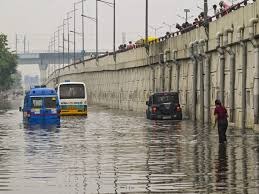
New Delhi | Feb 2, 2026 The Delhi government has approached the World Bank to seek financial support for implementing its ambitious drainage master plan, citing the huge cost involved in the project. Officials said that the Public Works Department has initiated discussions as the plan requires large-scale funding to address the city’s long-standing waterlogging and flooding issues. According to officials, a high-level meeting was recently held in Delhi with representatives of the World Bank, where the government presented the details of the drainage master plan. During the discussion, the roles of different agencies such as the Municipal Corporation of Delhi, Irrigation and Flood Control Department, PWD and other stakeholders were explained. A senior PWD officer said, “During the meeting, World Bank officials were informed of the involvement and roles of MCD, I&FC, PWD, and other stakeholder agencies in the implementation of the drainage master plan, as well as the high estimated cost of implementation amounting to ₹57,000 crore approximately.” The detailed project reports of the master plan were also shared with the World Bank team. The plan focuses on three major drainage basins of the capital — Najafgarh, Barapulla and Trans-Yamuna. Designed to meet Delhi’s drainage needs for the next 30 years, the master plan was unveiled in September last year. It proposes implementation over five years in two phases, with the goal of reducing waterlogging incidents by 50 per cent in the next three years and flood-related accidents by 30 per cent over five years, at an estimated cost of ₹57,362 crore. Officials said the plan considers factors such as land slopes, low-lying areas and the limitations of the existing drainage network to improve efficiency and create a long-term roadmap. “World Bank representatives were requested to examine the DPRs in detail and extend financial and technical assistance for the effective and timely implementation of the master plan,” the official added. The need for a new plan has grown urgent as Delhi’s last comprehensive drainage master plan was prepared in 1976, when the population was around 60 lakh. With the population now nearing 2 crore, the city’s drainage system is under severe pressure, making large-scale upgrades essential. Delhi Government Knocks on World Bank’s Door for Massive Drainage Upgrade The Delhi government has moved closer to the World Bank to seek financial support for its large drainage master plan, as the cost of the project is extremely high. Officials said the Public Works Department has taken this step to ensure timely and effective execution of the plan aimed at reducing waterlogging and flooding in the capital. A senior-level meeting was recently held in Delhi with World Bank representatives, where the government explained the full roadmap of the project. The roles of agencies like the MCD, I&FC, PWD and other stakeholders were discussed in detail. A senior PWD officer said, “During the meeting, World Bank officials were informed of the involvement and roles of MCD, I&FC, PWD, and other stakeholder agencies in the implementation of the drainage master plan, as well as the high estimated cost of implementation amounting to ₹57,000 crore approximately.” Officials also shared detailed project reports covering Delhi’s three major drainage basins — Najafgarh, Barapulla and Trans-Yamuna. The master plan, unveiled last year, has been designed to meet the city’s drainage needs for the next 30 years. It proposes a five-year implementation in two phases and aims to cut waterlogging by 50 per cent in three years and reduce flood-related accidents by 30 per cent in five years. The plan considers slopes, low-lying areas and the limits of existing infrastructure to improve drainage efficiency. Officials said World Bank teams were asked to study the reports and provide financial and technical help. With Delhi’s last drainage plan dating back to 1976, when the population was just 60 lakh, the pressure on the system has grown sharply as the population now nears 2 crore.