After a Year of Tensions, Phone Call Seals India–US Trade Breakthrough
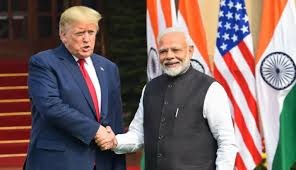
New Delhi | 3 February 2026 After nearly a year of strained negotiations, sharp tariff hikes and disagreements over oil and trade rules, India and the United States have finally reached a major trade breakthrough. The new agreement brings down US tariffs on Indian goods from 50 per cent to 18 per cent, marking a clear shift from the friction-filled relationship that dominated most of 2025. The deal came after a phone call between Prime Minister Narendra Modi and US President Donald Trump, which both sides are now calling a turning point. For much of the past year, India–US trade talks remained stuck. Although negotiations restarted with optimism during PM Modi’s visit to the US last February, differences soon emerged over market access, tariff structures, digital trade and energy purchases. In April, Washington imposed reciprocal tariffs of 25 per cent on Indian imports, and while some duties were paused, a base levy remained. The situation worsened in mid-2025 when the US raised tariffs to 50 per cent, including a punitive hike linked to India’s continued purchase of Russian crude oil after sanctions on Moscow over the Ukraine war. India strongly objected, calling the move unfair and asserting that its energy decisions were guided by market realities and national energy security. Despite the rising tensions, talks never completely broke down. Both sides held multiple rounds of formal and informal discussions, and leadership-level engagement continued. According to official sources, PM Modi and President Trump spoke several times by phone during 2025. However, public remarks added to the strain. In January, US Commerce Secretary Howard Lutnick claimed a deal failed because Modi “didn’t call” Trump at a crucial moment. India rejected this version, saying leaders were in regular contact. Other issues, including US criticism of India’s Russia ties, immigration policies, and Trump’s claims about mediating a ceasefire after an India–Pakistan conflict, further complicated relations. The breakthrough finally came with the latest phone call between the two leaders. Soon after, President Trump announced the trade deal framework on social media, confirming the tariff cut to 18 per cent. He also claimed that India would lower tariffs and non-tariff barriers on US goods to zero, buy over $500 billion worth of American products, and stop buying Russian oil. India welcomed the tariff reduction and called it a “wonderful announcement”, highlighting closer cooperation, but did not confirm several of the broader claims. Even so, the agreement signals a fresh phase in India–US economic ties, ending months of uncertainty and opening the door for deeper trade cooperation. After a Year of Tensions, India–US Deal Seals a New Chapter After nearly a year of strain, India and the United States have finally reached a major trade agreement. The deal reduces US tariffs on Indian goods from 50 per cent to 18 per cent, ending months of uncertainty and friction. The breakthrough came after a phone call between Prime Minister Narendra Modi and US President Donald Trump, bringing fresh momentum to the stalled trade talks. Throughout most of 2025, trade ties between the two countries remained tense. Talks that began with hope during PM Modi’s US visit last year slowed due to differences over tariffs, market access, digital trade rules and energy purchases. The situation worsened when the US imposed higher tariffs, including penalties linked to India’s purchase of Russian oil. India strongly opposed these moves, stating that its energy decisions were based on national needs and global market conditions. Even as negotiations continued, public comments added to the pressure. A US official claimed the deal failed because Modi “didn’t call” Trump at a key moment, a statement India firmly rejected. Other issues like immigration rules, defence ties with Russia and diplomatic remarks also added to the strain. Despite this, Trump later praised Modi as a “fantastic leader” and described bilateral ties as “special”, showing mixed signals in public messaging. The deadlock finally broke with the latest leader-level call. President Trump announced the agreement online, while PM Modi called it a “wonderful announcement” and welcomed closer cooperation. Although India confirmed the tariff cut, it remained cautious on other claims. Still, the deal marks a clear shift from conflict to cooperation and signals a stronger trade relationship ahead.