Former Nepal PM KP Sharma Oli Breaks Silence With First Public Appearance After Gen-Z Uprising
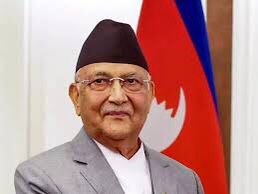
Bhaktapur | September 27, 2025 After weeks of silence following his resignation, former Nepal Prime Minister KP Sharma Oli resurfaced in public on Saturday. His first appearance since stepping down on September 9 came amid ongoing political uncertainty triggered by the massive Gen-Z-led anti-corruption movement that swept across Nepal earlier this month. Oli attended a public program organized by the Rastriya Yuwa Sangh, the student wing of his party, the Communist Party of Nepal – Unified Marxist Leninist (CPN-UML), in Bhaktapur. His presence was significant, as it marked the first time he had been seen publicly since being sheltered by the Nepal Army and later moved to a temporary residence. Silence Broken After Weeks of Turmoil Oli resigned in the wake of unprecedented youth-led protests that spiraled into widespread unrest. The demonstrations, driven largely by students and young professionals, called for transparency, accountability, and a complete overhaul of governance structures. His departure followed Nepal’s bloodiest day since the 2006 pro-democracy movement. Party leaders, including CPN-UML’s deputy general secretary Pradeep Gyawali, had earlier confirmed that Oli would return to public life after a meeting of the party’s secretariat. His reappearance is being interpreted as a strategic move, though Oli refrained from directly addressing the violent protests during his event. Gen-Z Protests and Rising Death Toll The Gen-Z protests, which erupted outside Nepal’s federal parliament, rapidly escalated into violence. Demonstrators stormed the parliament gates, setting parts of the entrance on fire. In retaliation, police resorted to tear gas, water cannons, and even live ammunition, with reports confirming that shots were fired from inside the parliament building. The protests have left a devastating toll. On September 8 alone, 21 protesters were killed, most of them students. The following day, another 39 lives were lost, including 15 due to severe burn injuries. In the ten days that followed, at least 14 more deaths were recorded. The official death count now stands at 74, making this one of Nepal’s deadliest civil uprisings in decades. A Government Toppled, A New Interim PM Oli’s resignation paved the way for a dramatic political shift. In an unprecedented move, former Chief Justice Sushila Karki was chosen as Nepal’s interim prime minister. Remarkably, her selection came not through traditional parliamentary negotiations, but via coordination among Gen-Z protest leaders on the social media platform Discord. This shift underscores how digital activism and youth mobilization have redefined Nepal’s political landscape, with online communities transforming into real-world decision-making platforms. What Lies Ahead Though Oli avoided making direct references to the protests during his Bhaktapur event, his comeback is being closely scrutinized. Analysts say his actions in the coming weeks will indicate whether he seeks to stage a political revival or retreat into the sidelines amid Nepal’s rapidly shifting power dynamics. For now, Nepal remains in flux—balancing between the hopes of a digitally mobilized youth demanding reforms and the realities of a political establishment struggling to adapt to a new era of governance. Oli Resurfaces After Gen-Z Uprising Former Nepal Prime Minister KP Sharma Oli made his first public appearance since resigning on September 9, after weeks of silence following the Gen-Z-led anti-corruption protests that toppled his government. Oli attended a student wing event in Bhaktapur but did not directly address the violent demonstrations that left 74 dead. The youth-led protests, coordinated partly through digital platforms, demanded transparency and accountability, forcing a leadership change. In a historic shift, former Chief Justice Sushila Karki was chosen as interim PM, elected by protest leaders on Discord. Oli’s return is seen as politically significant amid Nepal’s ongoing uncertainty.