Can India Refuse Bangladesh’s Request To Send Back Sheikh Hasina? What The Rules Actually Allow
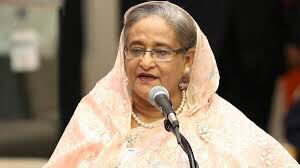
New Delhi | November 18, 2025 India now faces a difficult diplomatic situation after Bangladesh formally requested the extradition of its former prime minister Sheikh Hasina, who has been living in India since she fled Dhaka during last year’s student-led uprising. Hasina was recently sentenced to death in absentia for crimes against humanity, including charges linked to the killing of protesters, and Bangladesh has declared that handing her over is New Delhi’s “compulsory responsibility.” But the question many are asking is whether India is legally or politically bound to comply. The answer is far more complex than Dhaka’s statement suggests. Hasina was convicted on several counts related to the violent crackdown that unfolded during the final hours of her 15-year rule. She has argued that the charges are biased, politically driven, and based on an incorrect reading of events. Her party, the Awami League, has also rejected the verdict and called for a shutdown to protest what they claim is an unfair trial. According to Bangladeshi law, Hasina cannot appeal the decision unless she surrenders or is arrested within 30 days, a condition that places even more pressure on India. In its first reaction, the Indian government did not directly address the extradition request. Instead, it said it remains committed to peace, democracy, and stability in Bangladesh, and that it will engage constructively with all stakeholders. This careful wording suggests India is in no rush to make a decision and is weighing its options. While Bangladesh points to the countries’ extradition treaty, the agreement actually gives India wide room to refuse. The treaty requires dual criminality, meaning the alleged crime must also be recognised under Indian law. Though the broad nature of Hasina’s conviction meets this basic requirement, other clauses offer India significant discretion. The treaty allows New Delhi to deny extradition if the request appears unjust, oppressive, politically motivated, or lacking good faith. It also permits refusal if the accused may face persecution or if the case has the character of a political conflict. Although the charges against Hasina include murder and violence, India can still argue that the entire case is deeply tied to Bangladesh’s current political upheaval. India’s own Extradition Act adds another layer of flexibility. The law gives the central government sweeping powers to pause, cancel, or completely reject extradition proceedings at any time. It also mentions that extradition can be denied if it is not in the interest of justice or if the request is driven by political motives. Taken together, the treaty and Indian law make one thing clear: while extradition is possible, India is under no legal obligation to comply if it believes the situation is unfair or politically charged. For now, both countries are navigating a sensitive moment. Bangladesh is pushing for a quick handover, while India is stepping carefully, aware that its decision could shape the future of bilateral ties and political stability in the region. Whether India ultimately sends Hasina back or not will depend on a mix of law, diplomacy, and the evolving political climate in Dhaka. Can India Refuse Bangladesh’s Request To Send Back Sheikh Hasina? What The Rules Actually Allow India is facing a tough situation after Bangladesh asked for the extradition of former prime minister Sheikh Hasina. She has been living in India since she fled during last year’s student uprising. Recently, a court in Bangladesh sentenced her to death in absentia for crimes against humanity and for the killing of protesters. Bangladesh says India must hand her over, but the truth is more complicated. India has not given a clear answer yet. Instead, it said it wants peace, stability, and democracy in Bangladesh and will talk to all sides. This shows India is being very careful and is not making any quick decisions. Even though Bangladesh cites the extradition treaty between the two countries, the treaty actually gives India several reasons to say no. India can refuse if it believes the charges are politically motivated, unfair, or not made in good faith. Indian law also allows the government to stop or deny an extradition request at any time if it believes justice will not be served. For now, nothing is confirmed. India is taking its time because this decision will affect both countries and their future relationship.