Earth’s Hidden Climate Archives: How Tree Rings, Oceans, Ice and Air Preserve the Planet’s Past
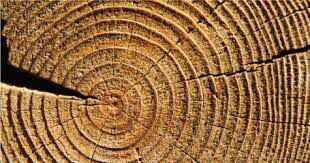
New Delhi | December 13, 2025 Earth has been quietly recording its own history for millions of years, not just in rocks and fossils, but in places we often overlook. Scientists say that tree rings, ocean floors, ice sheets, shells of tiny sea creatures, and even the air itself hold detailed records of the planet’s past climate. These natural records, known as climate proxies, help researchers understand how Earth’s temperature, rainfall, oceans and atmosphere have changed over time. According to palaeoclimatologist Paul Pearson of University College London, these climate “memories” allow scientists to study conditions that existed long before modern instruments. By examining these natural clues, researchers can rebuild past climates and better understand the forces shaping today’s climate crisis. Climate proxies generally fall into three groups: physical, chemical and biological. Physical proxies include tree rings, ice cores and coral reefs. Tree rings, for example, grow thicker or thinner depending on rainfall and temperature. By studying trees from different regions, scientists have tracked major climate events, including the end of the last Ice Age around 11,000 years ago. Tree rings have also revealed long droughts that forced ancient communities, such as the Mesa Verde civilisation in present-day Colorado, to abandon their settlements. Ice cores drilled from glaciers in Greenland and Antarctica trap tiny air bubbles that preserve samples of Earth’s atmosphere from as far back as 800,000 years. These samples show how carbon dioxide levels and temperatures changed long before human influence. Even older records are now being found in deep-sea sediments, which can stretch back nearly 200 million years. Chemical proxies are found in ocean sediments and shells of marine organisms. In 1947, Nobel laureate Harold Urey showed that ocean temperatures affect the chemical makeup of crustacean shells. By studying fossils of ancient sea creatures, scientists estimated ocean temperatures from nearly 100 million years ago. Although early estimates were conservative, later studies revealed that Earth’s climate during those periods was warmer than once believed. Biological proxies include pollen, algae and spores trapped in lake beds and ocean floors. These tiny remains offer clues about ancient vegetation, rainfall, ocean salinity and temperature. Together, these records show how volcanic eruptions, shifting continents and rising greenhouse gases caused dramatic climate shifts and mass extinctions. One major focus of recent research is ocean memory. Scientists now understand that oceans store heat and climate signals for much longer than previously thought. Research suggests that parts of the North Atlantic can retain climate “memories” for up to two decades. This long memory means that today’s ocean temperatures could influence weather patterns in Europe and North America for many years. Changes in ocean currents like the Gulf Stream are especially important. Studies using deep-sea cores show that this current weakened around 8,000 years ago due to melting ice sheets, before stabilising thousands of years later. Today, warming Arctic ice is once again affecting its strength, raising concerns about future climate instability. Even the atmosphere has a form of memory. New studies show that water vapour can persist in the air longer than expected, influencing monsoon systems independently of oceans. This discovery could help explain sudden heavy rainfall or long dry spells and improve weather predictions. Scientists say these ancient climate records provide essential context. NASA climate scientist Peter Kalmus warns that modern climate change is happening more than ten times faster than past natural shifts, with effects that could last longer than human civilisation itself. By reading Earth’s memories written in wood, ice, stone, water and air, researchers hope to better understand the present—and make wiser choices for the future. Earth’s Hidden Climate Archives: How Tree Rings, Oceans, Ice and Air Preserve the Planet’s Past The Earth has been quietly saving its life story for millions of years — not in hard drives, but in nature itself. Scientists say our planet stores its “memories” in places we see every day, like tree rings, oceans, ice sheets, tiny sea shells and even the air around us. These natural records help experts understand how Earth’s climate has changed long before weather stations and satellites existed. Tree rings are one of the clearest examples. Each ring shows how a tree grew in a specific year. Thick rings point to warm and wet years, while thin ones signal drought or cold. By studying trees across regions, scientists have tracked the end of the last Ice Age, long droughts, and even the reasons ancient communities were forced to abandon their homes. Deep below the oceans, layers of sediment and microfossil shells hold climate data going back millions of years. These chemical clues reveal how ocean temperatures, carbon dioxide levels and acidity changed over time. Ice cores from Greenland and Antarctica trap ancient air bubbles, offering a direct sample of Earth’s past atmosphere from up to 800,000 years ago. Scientists have also discovered that oceans have “memory”. Because water holds heat for a long time, today’s ocean temperatures can affect weather patterns for decades. Changes in currents like the Gulf Stream show how melting ice in the past reshaped global climate — and how it may do so again. Even the air remembers. New research shows moisture can stay in the atmosphere longer than expected, influencing monsoon systems and rainfall patterns, sometimes independent of oceans. Together, these natural records help scientists place today’s climate crisis in context. They show that while Earth has faced big changes before, what’s happening now is faster and more intense. Nature has been keeping notes all along. We’re finally learning how to read them.