Sleep Specialist Weighs In on Viral Bedtime Trends, Ranks What Helps and What Hurts Your Sleep
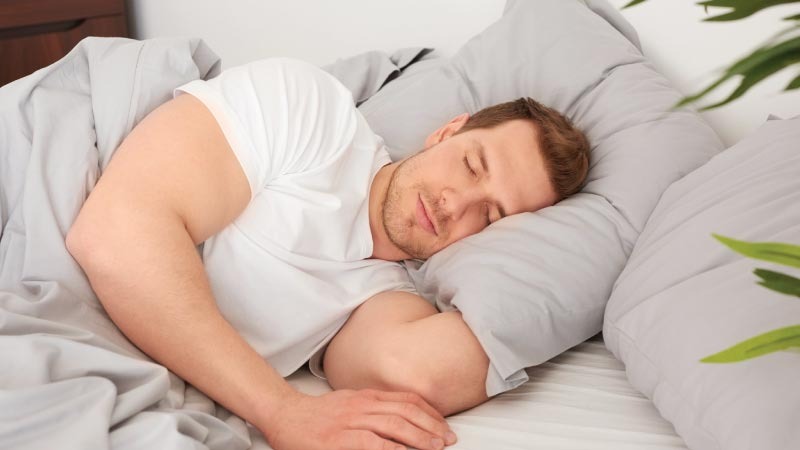
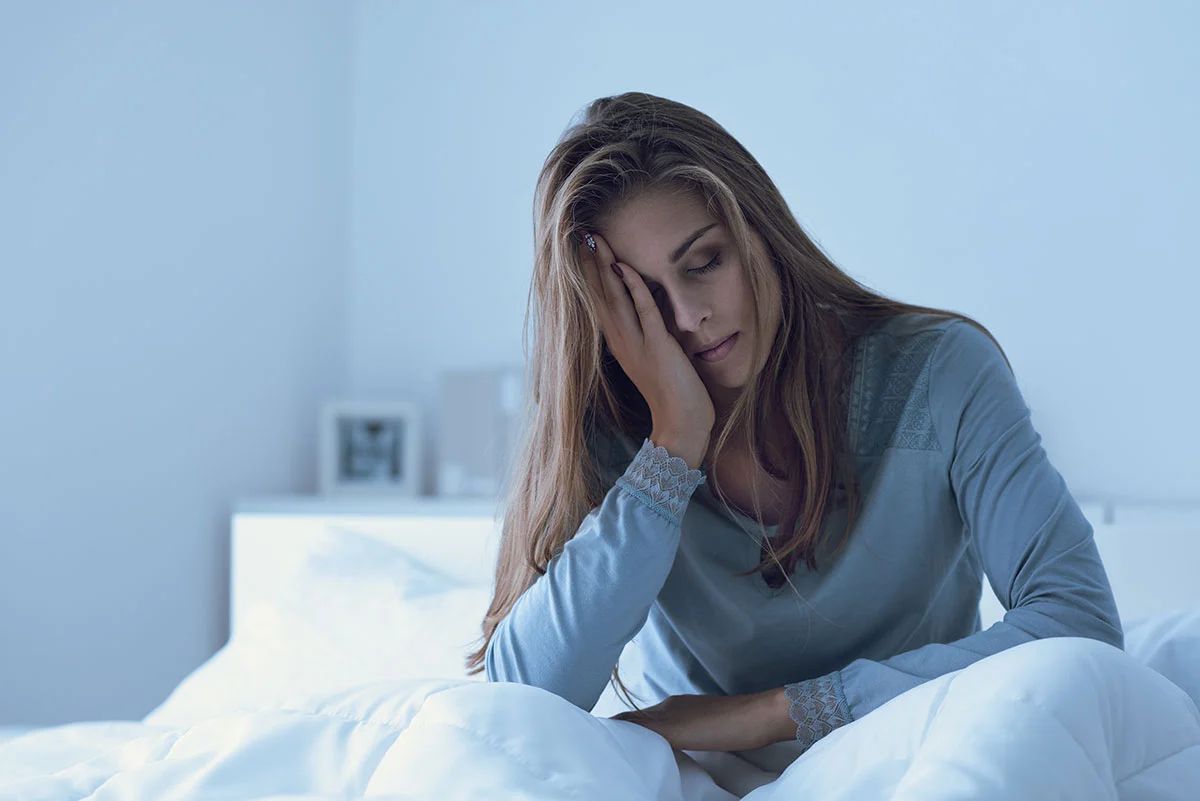
New Delhi, Jan 7: Sleep is often described as the foundation of good health, yet for many people, getting proper rest remains a daily struggle. From stress and long screen hours to irregular routines, modern life has made quality sleep harder to achieve. As a result, people increasingly turn to popular sleep aids and online bedtime trends, hoping for quick fixes. But do these trends actually help, or do they make things worse? To clear the confusion, Dr Christopher J. Allen, a sleep medicine physician and pediatric neurologist with over 20 years of medical experience, recently evaluated some of the most talked-about sleep aids and habits. In an Instagram post shared on January 7, Dr Allen ranked these trends on a scale of 0 to 10, with higher scores indicating better support for healthy sleep and lower scores highlighting potential harm. According to Dr Allen, one of the most effective and simple tools for better sleep is a sleep mask, which received a perfect score of 10 out of 10. He explained that darkness plays a vital role in regulating the body’s internal clock. Exposure to light, especially early in the morning or late at night, can confuse the brain and delay sleep. A sleep mask helps block unwanted light, making it easier for the body to relax and prepare for rest, particularly for people sleeping in bright rooms or those with irregular schedules. On the other end of the scale, a viral drink trend known as the “sleepy girl mocktail” scored poorly, earning just 2 out of 10. The mocktail, often made with tart cherry juice, magnesium supplements, and sparkling water, has gained popularity on social media as a natural sleep booster. While Dr Allen acknowledged that it may taste pleasant and feel calming, he said there is little evidence to suggest it significantly improves sleep quality. In his view, it is more hype than help. Weighted blankets, however, fared much better, scoring 8 out of 10. Dr Allen noted that the gentle pressure from these blankets can help lower stress hormones like cortisol. This deep pressure stimulation may benefit people who struggle with anxiety, restlessness, or conditions like restless leg syndrome. Beyond the science, he added that many users simply find weighted blankets comforting, which can make it easier to unwind before bedtime. One trend that Dr Allen strongly warned against is “bed rotting,” a practice where people spend most or all of the day lying in bed. Popularized online as a form of rest or self-care, the habit received a score of 0 out of 10. According to the doctor, staying in bed for long periods disrupts the body’s natural sleep-wake cycle and can confuse the brain. Over time, this may worsen sleep problems and even contribute to insomnia, rather than fixing fatigue. Another common habit, revenge bedtime procrastination, was rated 3 out of 10. This behavior involves staying up late to scroll through social media, watch shows, or enjoy personal time after a long, busy day. While it may feel rewarding in the moment, Dr Allen cautioned that it comes at a cost. Late-night screen use keeps the brain overstimulated and exposes the eyes to artificial light, making it harder to fall asleep and reducing overall sleep quality. Dr Allen also stressed the importance of setting clear boundaries around bed use. He advised that the bed should ideally be reserved for sleeping, being unwell, and intimacy. Mixing rest with constant stimulation, such as scrolling or working in bed, weakens the brain’s association between bed and sleep. Overall, the sleep specialist emphasized that not every viral trend is worth following. Simple, science-backed habits often work better than flashy solutions. When it comes to sleep, consistency, environment, and routine matter far more than social media promises. : Sleep Specialist Weighs In on Viral Bedtime Trends, Ranks What Helps and What Hurts Your Sleep Sleep is essential for both body and mind, but for many people, falling asleep is easier said than done. With social media full of bedtime hacks and sleep trends, it’s hard to know what actually works. To cut through the noise, sleep medicine expert Dr Christopher J. Allen, who has over 20 years of experience, recently ranked popular sleep aids and habits on Instagram. According to Dr Allen, the clear winner is the sleep mask, which scored a perfect 10/10. Blocking light helps the brain relax and keeps the body’s sleep clock on track, especially in bright rooms. Weighted blankets also ranked high at 8/10, as their gentle pressure can reduce stress and help people with anxiety or restlessness sleep better. Not all trends made the cut. The viral “sleepy girl mocktail” scored only 2/10, with the doctor saying it may taste good but does little for real sleep quality. Revenge bedtime procrastination, where people stay up late scrolling or binge-watching, earned 3/10 because screens and late-night stimulation keep the brain awake. The lowest score went to bed rotting, which received 0/10. Spending too much time in bed can confuse the body and worsen sleep problems over time. The takeaway? Simple, science-backed habits beat online hype every time.