
Makar Sankranti Marks the Sun’s Northward Journey, Celebrated Across India with Faith and Festivity
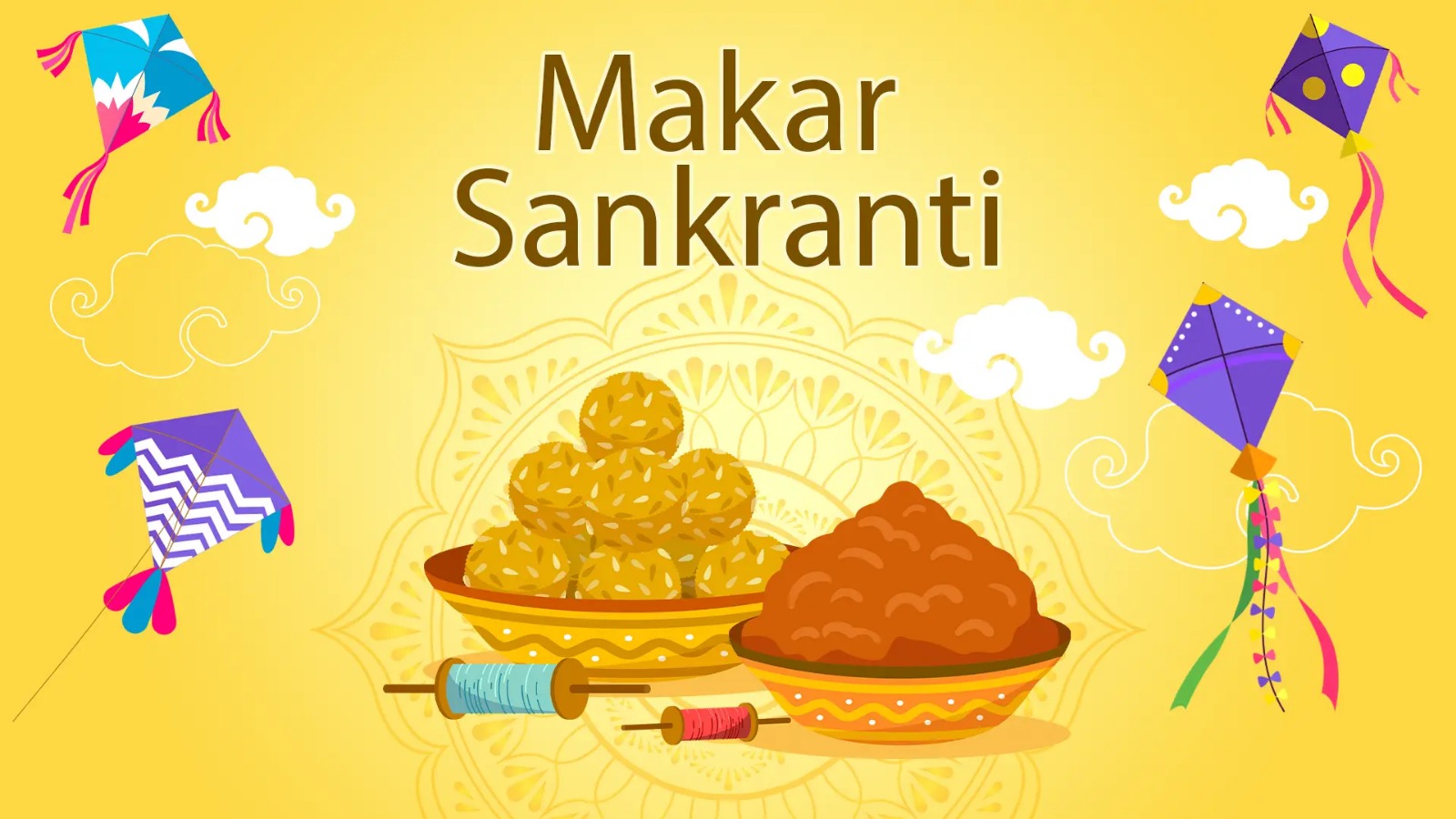
New Delhi, January 14, 2026 Makar Sankranti, one of India’s most significant harvest festivals, is being celebrated across the country today with devotion, colour and cultural pride. Observed every year on January 14, the festival marks the transition of the Sun into the zodiac sign of Capricorn (Makara), symbolising the end of the winter solstice and the beginning of longer, warmer days. Unlike many Hindu festivals that follow the lunar calendar, Makar Sankranti is fixed by the solar cycle, making it one of the most astronomically significant occasions in Indian tradition. The festival holds deep spiritual importance, as the Sun’s northward movement—known as Uttarayan—is considered highly auspicious. It is believed that acts of charity, holy baths and prayers performed on this day bring prosperity and spiritual merit. Millions of devotees take ritual dips in sacred rivers such as the Ganga, Yamuna and Godavari, offering prayers to the Sun God for health, harmony and abundance. Makar Sankranti is also closely linked to agriculture and the joy of harvest. Across different regions, it is celebrated under various names—Pongal in Tamil Nadu, Lohri in Punjab, Magh Bihu in Assam and Uttarayan in Gujarat—each reflecting local customs and traditions. Kite flying dominates the skies in many parts of northern and western India, symbolising freedom, hope and the celebration of nature’s cycles. Homes are filled with the aroma of traditional sweets made from sesame seeds and jaggery, ingredients believed to promote warmth and togetherness. Beyond rituals and festivities, Makar Sankranti serves as a reminder of harmony between nature and human life. It brings communities together, encourages gratitude for nature’s bounty and reinforces the message of renewal and positivity. As people welcome the changing season, the festival continues to shine as a timeless symbol of faith, unity and cultural continuity in India. Makar Sankranti Welcomes the Sun’s New Path, Filling Skies and Hearts with Celebration Makar Sankranti is being celebrated across India as the Sun begins its northward journey, marking a shift from winter towards longer and brighter days. Observed every year on January 14, the festival is rooted in astronomy and tradition, symbolising new beginnings, positivity and balance in nature. Unlike most Hindu festivals, it follows the solar calendar, giving it a fixed place in the year. Spiritually, the day holds special importance as Uttarayan is considered highly auspicious. Devotees offer prayers to the Sun God, take holy dips in sacred rivers and perform acts of charity, believing these deeds bring peace, prosperity and spiritual growth. The festival reflects gratitude towards nature and the cosmic forces that sustain life. Makar Sankranti is also a harvest festival, celebrating farmers’ hard work and nature’s bounty. Across India, it is known by different names such as Pongal, Lohri, Magh Bihu and Uttarayan, each showcasing regional culture. Kite flying, community gatherings and traditional foods made of sesame and jaggery add colour and warmth to the celebrations. Beyond rituals, Makar Sankranti carries a deeper message of unity, renewal and hope. It brings people together, strengthens cultural bonds and reminds society to move forward with harmony and optimism—just like the Sun’s steady journey across the sky.