Quiet Trade Talks Before Polls: Bangladesh Pushes US for Lower Tariffs Amid Secrecy Concerns
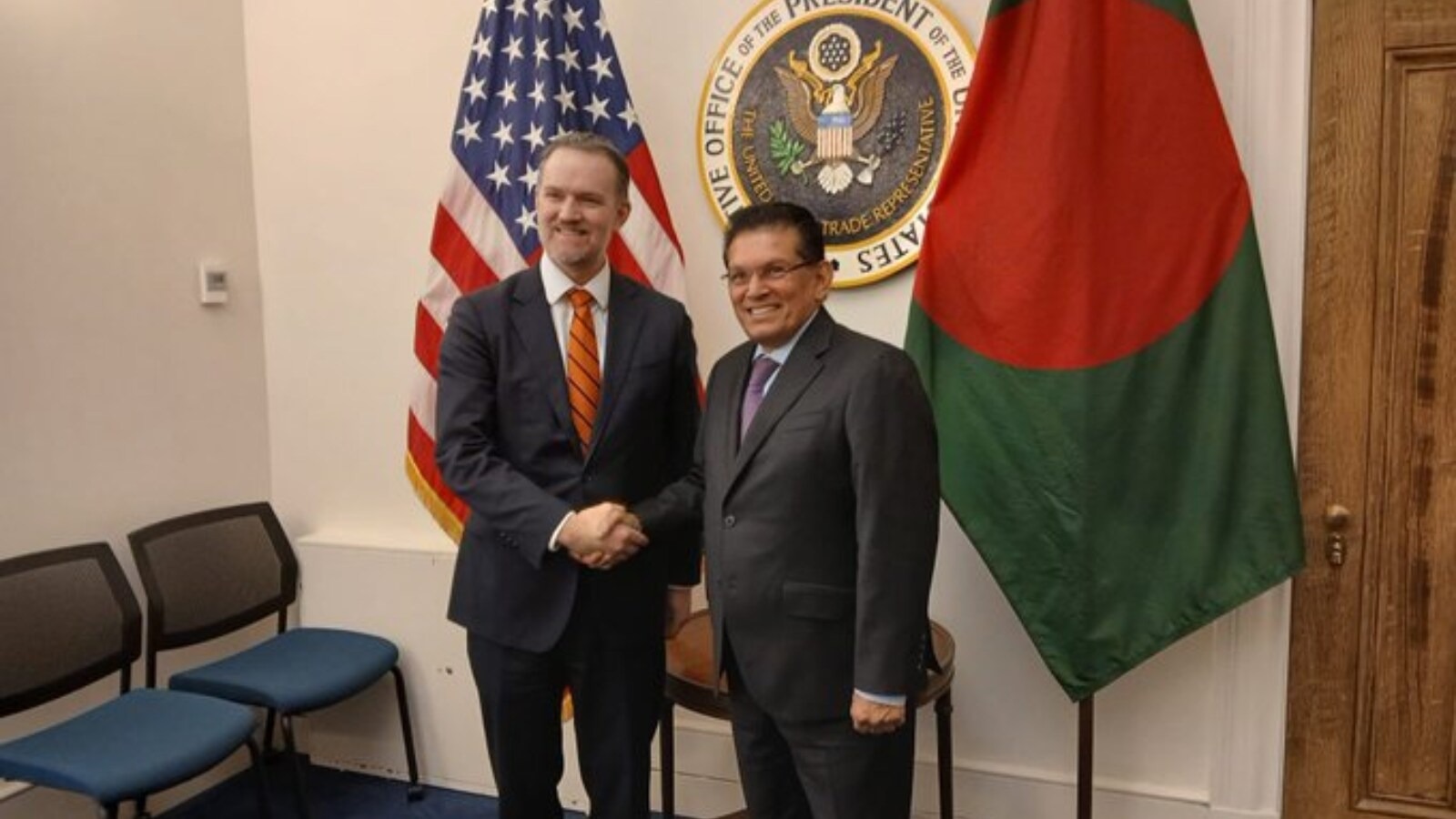
Bangladesh | 6 Feb 2026 Just days before Bangladesh goes to the polls, the country is preparing to sign a trade agreement with the United States on February 9. The deal is set to come only three days before the general elections scheduled for February 12, the first since Sheikh Hasina was removed from power. Bangladesh’s commerce secretary Mahbubur Rahman has reportedly confirmed the signing date, drawing attention to the unusual timing of the move. What has sparked debate is the secrecy around the agreement. According to Bangladesh daily Prothom Alo, the details of the trade pact are not public, as Bangladesh has signed a Non-Disclosure Agreement with the US. This has raised questions because the deal is being finalised under an interim government led by Muhammad Yunus, whose term will end shortly after the agreement is signed. The responsibility of implementing the pact will fall on the next elected government. The timing is also significant because it comes soon after India and the US reached a trade agreement, under which tariffs on Indian imports were reduced to 18%. Bangladesh currently faces 20% tariffs from the US, lowered from the earlier 37% announced by President Donald Trump in April 2025 and later revised in August. The Yunus-led government is now seeking a further cut to 15%, but the lack of clarity around the deal has made traders uneasy. The garment sector, which is the backbone of Bangladesh’s economy, is particularly concerned. In 2023, garment exports were valued at around USD 38 billion. Reacting to the timing of the deal, a senior industry leader said, “I was surprised to see the signing of the agreement come just three days before the election. I still believe this should have been done after the election, because it carries major implications.” Domestic traders have echoed similar concerns, saying the agreement should have been signed later with clearer terms. Reports suggest the NDA linked to the tariff talks was signed in June 2025, months before the US reduced tariffs on Bangladeshi imports to 20%. There is also a large trade gap between the two countries: Bangladesh imports about $2 billion worth of goods from the US, while exporting nearly $6 billion. To narrow this gap, Washington is said to be pushing for higher exports of wheat, soybean oil, corn, cotton, military equipment, and automobiles to Bangladesh, along with reduced dependence on China. All this is unfolding as Bangladesh heads into a crucial election after months of political unrest. With voters set to decide the country’s future, the secrecy and timing of this trade deal have added another layer of uncertainty to an already sensitive political moment. Trade Deal in the Shadows: Bangladesh Moves Toward US Tariff Relief Days Before Elections Just days before Bangladesh votes in its national elections, the interim government is set to sign a trade agreement with the United States on February 9. The move comes only three days before the February 12 polls, the first after Sheikh Hasina’s removal from power. The timing has drawn attention, especially as the deal is being finalised under the Muhammad Yunus led interim setup, which will exit soon after the signing. What has raised concern is the silence around the deal’s details. According to Prothom Alo, Bangladesh has signed a Non-Disclosure Agreement with the US, keeping the terms hidden from the public. Many believe such an important decision should have been left for the incoming government, as it will be responsible for carrying out the agreement and handling its long-term impact. At the heart of the talks is Bangladesh’s push for lower US tariffs. Current duties stand at 20%, reduced from 37% last year, and Dhaka is now seeking a further cut to 15%. The garment sector, the backbone of the country’s economy, is watching closely. As one industry leader put it, “I was surprised to see the signing of the agreement come just three days before the election. I still believe this should have been done after the election, because it carries major implications.” Reports also point to wider US demands linked to the deal. Bangladesh exports nearly $6 billion worth of goods to the US, while importing about $2 billion. Washington is said to want to reduce this gap by selling more agricultural products, vehicles, and defence equipment, while also asking Bangladesh to cut its dependence on China. All this, unfolding so close to the polls, has added to the unease around the agreement.