Muhammad Yunus Wants Civil War”: Awami League Leader Reacts to Sheikh Hasina Death Penalty Verdict
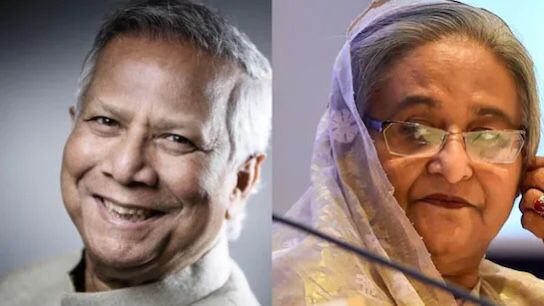
November 18, 2025 — Dhaka, Bangladesh The political crisis in Bangladesh intensified after the International Crimes Tribunal in Dhaka sentenced former Prime Minister Sheikh Hasina and her close aide Asaduzzaman Khan to death over their handling of last year’s student protests. The protests, which turned violent, led to hundreds of casualties and contributed to the toppling of Hasina’s 15-year government. The Awami League has strongly condemned the verdict, calling it a “kangaroo court” and accusing the interim government, led by Nobel Laureate Muhammad Yunus, of attempting to stage a political drama. Mohibul Hasan Chowdhury, a senior Awami League leader and former minister under Hasina, claimed the trial was “pre-written” and denied the former prime minister a fair chance to defend herself. He said the tribunal’s chairman had not been present in court for weeks and that the interim government illegally amended tribunal laws to prosecute Hasina and her colleagues. Chowdhury alleged that lawyers willing to defend Hasina were blocked from representing her, and the trial proceeded without proper legal representation. Chowdhury warned that the Yunus regime’s actions risk pushing Bangladesh toward civil war, saying the interim government is failing to secure the people’s support. He emphasized that the Awami League continues to enjoy widespread backing from citizens and vowed to continue protests against the verdict and the interim administration’s actions. The party is also challenging Yunus’ ban on its participation in upcoming elections, calling the planned process a “sham electoral exercise.” He further accused the interim government of cozying up to Pakistan and supporting regional instability by associating with groups such as Lashkar-e-Taiba and Jaish-e-Mohammad. Chowdhury criticized visits from Pakistani military officials and religious leaders, suggesting these actions are intended to undermine Bangladesh’s internal stability. Hasina, 78, who fled to India last year, described the charges against her as unjustified, insisting that she and her administration acted in good faith to minimize casualties during the unrest. She rejected the verdict as politically motivated and biased. Under the current legal framework, she cannot appeal unless she surrenders or is arrested within 30 days of the judgement. In response to the sentence, the Awami League called for a national shutdown to protest the decision. The party has framed the verdict not just as a legal matter but as an attack on democratic norms and the popular mandate it claims to hold. While the death sentences are unlikely to be enforced given Hasina’s absence and India’s refusal to extradite her, the political fallout continues to threaten stability in the country. The situation underscores a deepening divide between the interim government and Hasina’s supporters, with both sides accusing the other of illegitimacy and fostering unrest. The coming weeks are expected to be critical in determining whether Bangladesh can avoid escalation into widespread political violence. “Muhammad Yunus Wants Civil War”: Awami League Leader Reacts to Sheikh Hasina Death Penalty Verdict Bangladesh is facing a new political crisis after the International Crimes Tribunal in Dhaka sentenced former Prime Minister Sheikh Hasina and her aide Asaduzzaman Khan to death over last year’s violent student protests. The Awami League has strongly criticized the verdict, calling it a “kangaroo court” and accusing the interim government, led by Muhammad Yunus, of staging a political drama. Mohibul Hasan Chowdhury, a close aide of Hasina, claimed the trial was “pre-written” and that the former prime minister was not allowed proper legal representation. He warned that the Yunus regime is pushing the country towards civil war and emphasized that the Awami League still has the support of the majority of people. The party has been banned from contesting upcoming elections, which it calls a “sham electoral process.” Chowdhury also accused the interim government of aligning with Pakistan-based groups like Lashkar-e-Taiba and Jaish-e-Mohammad and supporting regional instability. Hasina, who fled to India last year, described the charges as unjustified and politically motivated, stating that she acted to minimize casualties during the protests. The Awami League has called for a national shutdown in protest of the verdict, and the political tension in Bangladesh continues to grow.