India Overhauls Tax System to End ‘Tax Terrorism’; Customs Reforms Next, Says Sitharaman
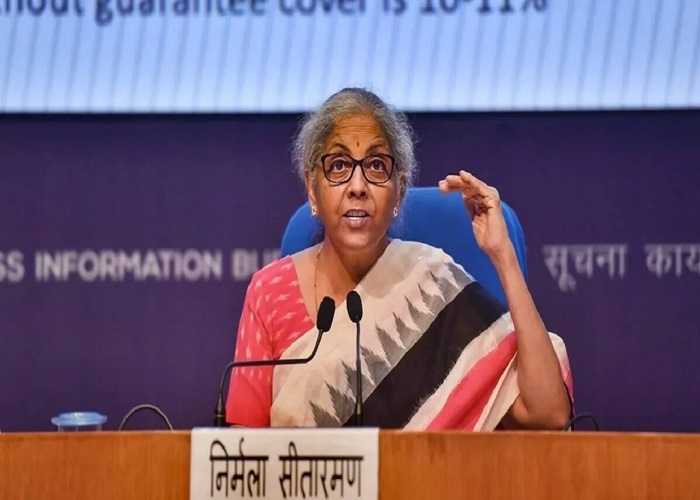
New Delhi | December 6, 2025 Union Finance Minister Nirmala Sitharaman has highlighted the government’s efforts to eliminate what many referred to as “tax terrorism” in India and revealed that the next focus will be on simplifying customs processes. Speaking at the Hindustan Times Leadership Summit 2025, she explained how reforms in the income tax system have made compliance easier, transparent, and less intimidating for taxpayers. Sitharaman emphasized that the problem was not high tax rates but the complexity and unpredictability of the tax administration. Earlier, cumbersome procedures and direct interactions with tax authorities often created stress for honest taxpayers, leading to the perception of “tax terrorism.” To address this, the government introduced a faceless income-tax system, moving assessments and other procedures online. This shift has reduced human interface, streamlined processes, and minimized opportunities for arbitrary demands, bringing relief to taxpayers across the country. The minister stated that customs duties and processes are the next area for reform. With goods crossing borders every day, customs administration has historically been plagued by delays, paperwork, and enforcement challenges. Sitharaman noted that the government aims to bring the same transparency and efficiency to customs that has been achieved in income tax, balancing enforcement against illegal trade while making legal trade smoother and faster. Sitharaman, an experienced economist and policymaker, has guided India’s economic policy through major challenges including global disruptions and the pandemic. Her focus has consistently been on simplifying laws, reducing bureaucratic hurdles, and improving ease of doing business. She explained that a fair, transparent, and technology-driven approach encourages compliance and builds trust among taxpayers and traders. While acknowledging challenges ahead, especially in customs where multiple stakeholders are involved, Sitharaman emphasized the goal of a system that is straightforward, efficient, and predictable. Successful implementation could reduce delays, lower costs for businesses, and increase trade and investment opportunities. For citizens, it translates into a more reliable, stress-free way to meet tax obligations and support national growth. In summary, India’s journey from a complicated, paperwork-heavy tax system to a more transparent, technology-driven model represents a major shift in governance. With customs reforms on the horizon, the government is signaling that simplifying trade and taxation is central to supporting economic growth and restoring confidence in India’s regulatory environment. India Overhauls Tax System to End ‘Tax Terrorism’; Customs Reforms Next, Says Sitharaman Finance Minister Nirmala Sitharaman has announced a major shift in India’s tax and trade system. She explained that what many called “tax terrorism” — the stress and complexity taxpayers faced earlier — has now been addressed through reforms in the income tax system. By moving assessments online and introducing a faceless income-tax process, the government has reduced direct interaction with authorities, making filing simpler, faster, and fairer. The minister highlighted that taxpayers’ biggest frustration was not the rates, but the cumbersome procedures and unpredictable enforcement. With the new system, compliance has become more transparent, reducing stress and encouraging honesty. This move has been widely welcomed by citizens and businesses alike. Looking ahead, customs is the next area for reform. Currently, delays, paperwork, and complex procedures make trading across borders challenging. Sitharaman said the government aims to bring the same transparency and efficiency to customs that has been achieved in taxes. While enforcement against illegal trade will continue, legal trade will become smoother, faster, and less stressful. Sitharaman also pointed out that technology-driven processes and simplified regulations are key to encouraging compliance and building trust among taxpayers and traders. This approach is expected to reduce delays, lower costs for businesses, and increase trade and investment opportunities. The overall goal is clear: a system that is fair, predictable, and easy to navigate. For ordinary citizens, this means a less stressful way to meet tax obligations. For businesses, it translates to easier trade, faster clearances, and more opportunities to grow. With customs reforms on the horizon, India is taking strong steps toward a modern, transparent, and efficient economic ecosystem.