India’s Rare Genetic Challenge: Mother Shares How Norrie Disease Transformed Her Family’s Life
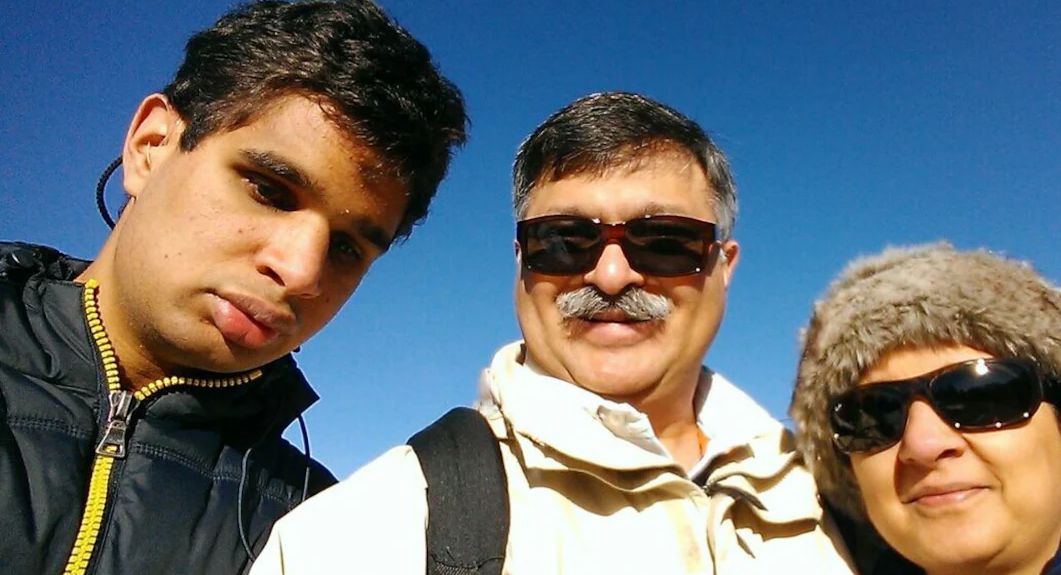
New Delhi | Dec 11, 2025 When Meenu Hodiwalla welcomed her son Ruzbeh into the world nearly three decades ago, she expected the usual joys of early parenthood – the baby’s eyes meeting hers, tiny fingers curling around hers, the first smile of recognition. Instead, she noticed a quiet absence: her son was not looking at her. That subtle moment marked the beginning of a long, challenging journey with an ultra-rare genetic condition called Norrie Disease. Norrie Disease is an X-linked recessive disorder caused by mutations in the NDP gene. It leads to congenital blindness, progressive hearing loss, and neurological challenges. Only a few hundred cases have ever been documented worldwide, and awareness in India remains extremely limited. Early diagnosis is rare, interventions are delayed, and families often navigate the complexities of care alone. In Ruzbeh’s case, the initial signs were almost imperceptible. He fed well, grew normally, and appeared healthy. But Meenu’s instinct told her something was not right. Her paediatrician initially reassured her that babies develop at different rates. However, by three-and-a-half months, a neurologist recommended further testing, revealing bilateral retinal detachment – a red flag for Norrie Disease. Dr. Nathaniel John Pinto of Manipal Hospital explains that early signs like lack of social gaze or delayed responses to sound are subtle, often leading to misdiagnosis. Dr. Shruti Bajaj adds that most boys with Norrie Disease show neurodevelopmental symptoms only later, making early recognition difficult. Dr. Nanditha Rathinam highlights that in India, most paediatricians never encounter a single case in their careers. For Meenu, confirmation of the diagnosis in the UK was a devastating blow. Specialists explained that no treatment could restore Ruzbeh’s vision, shifting focus to rehabilitation. Norrie Disease causes complete retinal detachment, avascular retina, and pseudoglioma. Hearing deteriorates progressively in about 80% of patients, adding to daily challenges. Neurodevelopmental difficulties, anxiety, aggression, and sensory sensitivities shape every aspect of the child’s life. Despite these hardships, Ruzbeh thrives in structured routines. Music, piano lessons, swimming, braille classes, woodworking, and tactile therapies provide joy and engagement. Daily life requires meticulous planning, balancing stimulation with calm, and preparing for progressive hearing loss. The family’s experience highlights India’s gaps in rare disease care: lack of routine newborn screenings, limited access to affordable genetic testing, few tele-genetics platforms, and insufficient multidisciplinary support. Experts emphasize the need for registries, consistent funding, and trained professionals to improve outcomes. Emerging research in gene therapy offers hope, with NDP gene replacement showing promise in animal models, though human trials are still years away. Meenu now advocates for awareness, support, and funding for families facing rare disorders. She emphasizes listening to parents, trusting their instincts, and ensuring rare diseases do not remain invisible. Her journey underscores the emotional, social, and systemic challenges families endure and the extraordinary resilience required to navigate life with Norrie Disease. “My son means everything to me, and I will always fight for him,” Meenu says, a testament to the courage and hope that sustains families confronting ultra-rare genetic conditions. India’s Rare Genetic Challenge: Mother Shares How Norrie Disease Transformed Her Family’s Life When Meenu Hodiwalla gave birth to her son Ruzbeh nearly 30 years ago, she expected the usual joys of parenthood – the baby looking at her, tiny fingers curling around hers, a first smile. But she noticed something was wrong: Ruzbeh didn’t look at her. This quiet moment was the start of a long journey with Norrie Disease, an ultra-rare genetic disorder that causes congenital blindness, progressive hearing loss, and neurological challenges. Norrie Disease is caused by mutations in the NDP gene. Only a few hundred cases exist worldwide, and awareness in India is very low. Early signs are subtle, so diagnosis is often delayed. In Ruzbeh’s case, he seemed healthy at first, feeding and growing normally. But by three-and-a-half months, testing revealed bilateral retinal detachment, confirming the disease. The condition also brings progressive hearing loss, autism spectrum features, and behavioural challenges. Daily life is carefully structured: Ruzbeh participates in piano lessons, braille classes, swimming, and woodworking. Even small changes to his routine can cause frustration or anxiety. His family plans every day meticulously to balance care, stimulation, and independence. Experts point out that India lacks routine newborn screening, affordable genetic testing, and multidisciplinary care for rare diseases. Families often navigate the system alone, with limited support. Emerging gene therapy research offers hope, but human treatments are still years away. Meenu has become an advocate for rare disease awareness, support, and funding. She emphasizes listening to parents and trusting their instincts. Despite the challenges, she says, “My son means everything to me, and I will always fight for him.” Her story highlights the emotional, social, and medical realities of rare genetic disorders, showing the resilience families must muster in a world often unprepared for conditions like Norrie Disease.