
Passenger Vehicle Sales in India Jump 22% in November After GST Cuts, Strong Festive and Wedding Demand
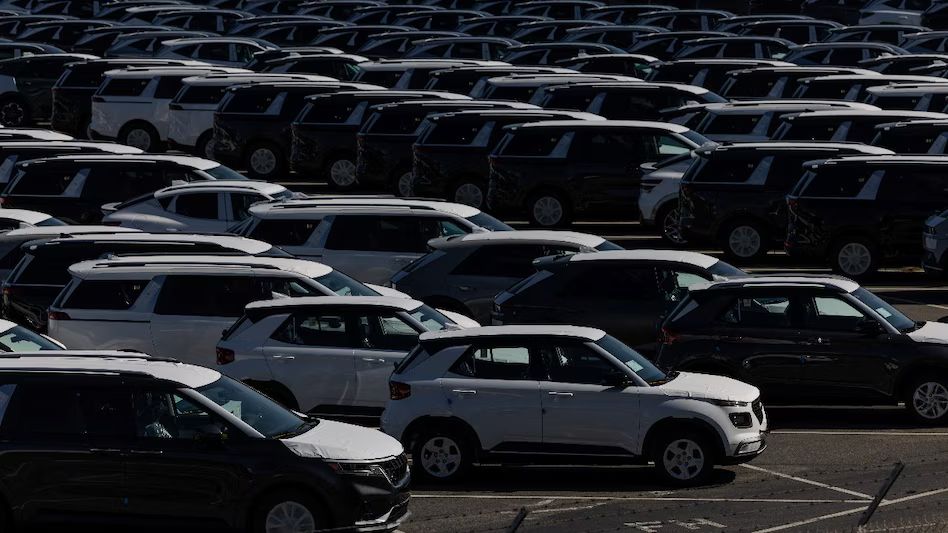
New Delhi, December 18: India’s passenger vehicle market recorded strong growth in November 2025, with retail sales rising sharply on the back of steady post-festive demand, recent GST rate cuts, and higher buying during the winter wedding season, according to a report released on Thursday. The report by ratings agency ICRA said passenger vehicle retail sales increased 22 per cent year-on-year in November. However, sales were lower compared to October, falling 29 per cent month-on-month, as October saw peak demand during the festive season. Despite the monthly dip, overall demand remained healthy, supported by favourable market conditions. Wholesale volumes also showed solid growth, rising 19 per cent year-on-year to around 4.1 lakh units in November. The report noted that original equipment manufacturers, or OEMs, maintained steady production levels to ensure adequate supply and meet market demand. This helped keep momentum intact even after the festive rush eased. ICRA said the recent GST rate cuts played a key role in supporting demand, especially in price-sensitive segments. The impact was clearly visible in the mini, compact, and super-compact car categories, which saw a revival after the tax changes. At the same time, utility vehicles continued to dominate the market, accounting for 67 per cent of total passenger vehicle volumes in November, slightly lower than 69 per cent in October. Looking ahead, ICRA has projected wholesale volume growth of 1 to 4 per cent for the financial year 2025–26. The agency said growth will be supported by steady consumer demand, new model launches, continued GST benefits, and overall positive market sentiment. For the first eight months of FY26, wholesale volumes grew 3.6 per cent year-on-year, while retail sales increased at a faster pace of 6.1 per cent, indicating stronger end-user demand. Inventory levels across dealerships also showed improvement. According to data from the Federation of Automobile Dealers Associations, inventory stood at around 44 to 46 days in November 2025, down from nearly 60 days at the end of September. This decline was largely due to improved retail offtake and better alignment between supply and demand. The report also highlighted strong performance in other vehicle segments. Two-wheeler and three-wheeler sales posted healthy growth in November, reflecting broad-based recovery across the auto sector. Two-wheeler sales increased 21.2 per cent year-on-year to 19,44,475 units, supported by both urban and rural demand. Scooter sales grew by a robust 29.4 per cent to 7,35,753 units, driven mainly by rising demand in urban areas. Motorcycle sales rose 17.5 per cent to 11,63,751 units, supported by stable demand in rural and semi-urban markets. The report said improving income levels and easier financing options contributed to this growth. Three-wheeler sales also showed strong momentum, rising 21.3 per cent to 71,999 units in November. Passenger carriers led this growth, with sales increasing 24.6 per cent to 59,446 units. Sales of goods carriers grew at a slower pace of 10.9 per cent to 10,874 units during the month. In addition, India’s passenger vehicle exports remained stable, supported by strong global demand, particularly from markets in the Middle East and Latin America. The report noted that India continues to strengthen its position as a key automobile manufacturing and export hub. Overall, the report said continued policy support, improving consumer confidence, and stable economic conditions are expected to help sustain growth momentum in the auto sector well into 2026. Passenger Vehicle Sales in India Jump 22% in November After GST Cuts, Strong Festive and Wedding Demand New Delhi, December 18: India’s passenger vehicle market showed strong momentum in November 2025, with retail sales rising 22% year-on-year, driven by post-festive demand, recent GST rate cuts, and increased purchases during the winter wedding season. According to a report released by ratings agency ICRA, the growth reflects steady consumer confidence and improved market conditions across the auto sector. While retail sales were strong compared to last year, they dipped 29% from October levels, which saw peak festive buying. Despite this month-on-month fall, demand remained healthy. Wholesale volumes also grew 19% year-on-year to around 4.1 lakh units, as auto makers maintained production to meet market needs. The report highlighted that GST rate cuts helped revive demand, especially in mini, compact, and super-compact car segments. Utility vehicles continued to lead the market, accounting for 67% of total passenger vehicle volumes in November, slightly lower than October’s 69%. ICRA expects wholesale volumes to grow between 1% and 4% in FY26, supported by steady demand, new model launches, and positive market sentiment. During the first eight months of FY26, wholesale volumes grew 3.6% year-on-year, while retail sales rose faster at 6.1%, showing stronger end-user demand. Inventory levels also improved, dropping to 44–46 days in November from nearly 60 days at the end of September, according to FADA data. This was due to better retail offtake and balanced supply. Other segments also performed well. Two-wheeler sales rose 21.2% to over 19.4 lakh units. Scooter sales jumped 29.4%, driven by urban demand, while motorcycle sales increased 17.5%, supported by rural and semi-urban buyers. Three-wheeler sales grew 21.3%, led mainly by passenger carriers. Passenger vehicle exports remained strong, especially to the Middle East and Latin America. With supportive policies and rising confidence, the auto sector is expected to maintain growth momentum into 2026.