Parliament Clears G RAM G Bill to Replace MGNREGA Amid Fierce Opposition Protests and Walkouts
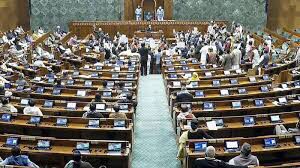
New Delhi, December 19: Parliament on Thursday passed the Viksit Bharat Guarantee for Employment and Livelihood Mission (Rural) Bill, widely referred to as the G RAM G Bill, paving the way for the replacement of the two-decade-old Mahatma Gandhi National Rural Employment Guarantee Act (MGNREGA). The Bill was cleared amid intense protests, slogan-shouting, and walkouts by Opposition parties in both the Lok Sabha and the Rajya Sabha. The legislation promises 125 days of guaranteed wage employment for rural households every year and is projected by the government as a major reform aimed at strengthening rural livelihoods and addressing gaps in the existing employment scheme. However, its passage triggered sharp political confrontation, with the Opposition accusing the Centre of erasing Mahatma Gandhi’s name and weakening the rural economy. The Rajya Sabha passed the Bill late Thursday night by voice vote after a prolonged debate that stretched past midnight. This came just hours after the Lok Sabha approved the legislation following an eight-hour discussion marked by repeated disruptions. Opposition MPs tore copies of the Bill, raised slogans against the government, and several members staged a walkout during the voting process. Rural Development Minister Shivraj Singh Chouhan, who piloted the Bill in both Houses, defended the move by stating that the new framework seeks to correct structural shortcomings in MGNREGA. He said the revamped scheme would focus more effectively on employment generation, durable rural infrastructure, water conservation, and livelihood security, while also preparing villages to deal with extreme weather conditions. Opposition parties strongly objected to the removal of Mahatma Gandhi’s name from the scheme, calling it a deliberate attempt to erase his legacy. They also alleged that the Centre was shifting the financial burden of the programme onto state governments, thereby weakening federal cooperation. Members demanded that the Bill be withdrawn and sent to a Standing Committee of Parliament for detailed examination, a demand that was rejected. As protests intensified inside the Rajya Sabha, Chairman C P Radhakrishnan cautioned MPs against approaching the treasury benches and urged them to maintain decorum. Despite this, slogans continued, forcing repeated interruptions before the Bill was finally passed. Following the passage of the legislation, Opposition parties staged a dharna outside the Samvidhan Sadan in the Parliament complex. Leaders announced plans for a nationwide agitation, claiming the Bill would harm rural workers and undermine employment security. Trinamool Congress MPs also announced a 12-hour sit-in protest on the steps of Samvidhan Sadan to oppose the move. Replying to the nearly five-hour debate in the Rajya Sabha, Chouhan accused the Congress of politicising Mahatma Gandhi’s name for electoral gains. He argued that the original rural employment scheme was introduced in 2005 and that Gandhi’s name was added in 2009. According to him, invoking Gandhi’s legacy while allowing corruption and inefficiency in implementation went against Gandhian ideals. The minister further alleged that under the previous UPA government, MGNREGA suffered from corruption and poor utilisation of funds, especially for material procurement and project completion. He said the new Bill aims to ensure better planning, transparency, and long-term asset creation in rural areas. Chouhan also outlined that the government plans to invest nearly ₹10–11 lakh crore under the new mission over the coming years. The funds will be directed towards water conservation projects, core rural infrastructure, livelihood assets, and special initiatives to reduce the impact of climate-related challenges. Earlier in the Lok Sabha, Opposition MPs accused the government of dismantling a landmark welfare scheme and ignoring Gandhian principles of social justice. In response, the minister maintained that the Bill followed extensive consultations and was designed to modernise rural employment policy in line with current needs. With the Bill now passed by both Houses, it awaits presidential assent. As political tempers remain high, the government insists the G RAM G Bill marks a new chapter in rural development, while the Opposition prepares to take its protest beyond Parliament to the Parliament Clears G RAM G Bill to Replace MGNREGA Amid Fierce Opposition Protests and Walkouts Parliament on Thursday passed the Viksit Bharat Guarantee for Employment and Livelihood Mission (Rural) Bill, popularly known as the G RAM G Bill, marking a major shift in India’s rural employment policy. The Bill replaces the two-decade-old MGNREGA and promises 125 days of guaranteed wage employment every year for rural households. The decision was cleared amid loud protests, walkouts, and slogan-shouting by Opposition parties in both the Lok Sabha and the Rajya Sabha. The Rajya Sabha passed the Bill late at night through a voice vote, hours after it was approved by the Lok Sabha following a long and heated debate. Opposition MPs strongly objected to the removal of Mahatma Gandhi’s name from the scheme and accused the Centre of trying to erase his legacy. They also claimed that the new law shifts the financial responsibility of rural employment from the Centre to the states, which could weaken rural welfare. Rural Development Minister Shivraj Singh Chouhan defended the Bill, saying it was necessary to fix long-standing issues in MGNREGA. According to him, the new mission will focus on job creation, strong rural infrastructure, water conservation, and livelihood support. He also said the government plans to invest nearly ₹10–11 lakh crore in rural development projects, including efforts to tackle extreme weather challenges. Inside Parliament, several Opposition MPs tore copies of the Bill, raised slogans, and walked out during the voting. After the Bill was passed, Opposition leaders staged a protest outside the Parliament complex and announced plans for a nationwide agitation. Trinamool Congress MPs also began a 12-hour sit-in protest, calling the move harmful to rural workers. The government, however, insists the G RAM G Bill will bring transparency, better planning, and lasting benefits to villages across the country. While political tensions remain high, the Bill now awaits presidential assent, setting the stage for a major change in rural employment policy.