DRDO Facility, Tech Park Plans Highlight Politician-Builder Nexus Threatening Aravalli Hills
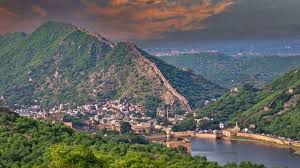
New Delhi | December 27, 2025 The Aravalli Hills, often described as Delhi’s "green lungs," have faced decades of threats from real estate and infrastructure projects, with politicians, bureaucrats, and developers repeatedly attempting to exploit the ecologically sensitive region. A significant portion of the Aravallis lies in Haryana, and successive state governments have tried to transfer large tracts of forest land to builders and corporates over the years. Timely interventions by courts and climate activists have prevented large-scale destruction, but concerns remain, especially following a recent “new definition” proposed by the Centre. The new definition considers only hills rising at least 100 meters above the local terrain as Aravalli hills and defines a range as two or more such hills within 500 meters of each other along with the area in between. Environmentalists warn this change could leave nearly 90% of the Aravalli area vulnerable to mining and construction, though the Centre has denied these claims. Historical examples demonstrate the recurring pressure on the Aravallis. In 2004, the Defence Research and Development Organisation (DRDO) sought to acquire 700 acres of Aravalli land to build a facility, later increasing its demand to 1,100 acres. The forest conservator of Haryana informed DRDO in 2005 that the land fell under the Punjab Land Preservation Act and required Supreme Court approval for non-forest activities. Despite pending clearance, DRDO paid ₹73.26 crore to the Haryana government and took possession of 407 acres in April 2008. However, the Supreme Court-appointed Central Empowered Committee later denied permission for construction, and the CAG criticized the Defence Ministry for the “imprudent” acquisition. Similar pressures continued under the Bhupinder Hooda-led Congress government. In 2007, the Haryana government approved a Dutch company’s plan to develop a 500-acre technology park in Mangar, a village nestled between Faridabad and Gurugram. The Centre blocked the project due to ecological concerns. Later, the Hooda government drafted the Mangar Development Plan 2031, proposing changes across 10,426 hectares around 23 villages. Activists protested, and the NCR Planning Board rejected the plan, citing risks of irreversible damage to the Aravallis. The threats persisted under the BJP government as well. In 2019, the Haryana Assembly passed the Punjab Land Preservation (Haryana Amendment) Bill, which sought to remove nearly 60,000 acres of Aravalli land from protected status, opening it for mining and real estate projects. The Supreme Court immediately stayed the amendment, emphasizing that forest land cannot be destroyed and reaffirming that the PLPA-covered land must retain its protected status. Over the years, these interventions by courts, environmental groups, and public pressure have prevented high-rise buildings, tech parks, and large-scale mining from overtaking the Aravallis. Despite political and commercial pressures, the hills remain a critical ecological buffer, protecting Delhi and NCR from urban sprawl and maintaining biodiversity. Conservationists continue to stress the importance of strict enforcement of forest laws and vigilance against attempts to exploit the Aravallis for short-term profit. The saga of the Aravalli Hills highlights the ongoing tension between development and environmental preservation, and how coordinated activism and judicial oversight can serve as a safeguard for India’s natural heritage. DRDO Facility, Tech Park Plans Highlight Politician-Builder Nexus Threatening Aravalli Hills The Aravalli Hills, often called Delhi’s “green lungs,” have faced threats from developers and political interests for decades. Large portions of these ecologically sensitive hills lie in Haryana, and successive state governments have tried to hand over forest land to builders and corporates. Thankfully, timely court orders and activism have saved the Aravallis from large-scale destruction so far. The issue gained attention again after the Centre proposed a “new definition” of the Aravalli Hills, considering only hills over 100 meters tall and the area between two such hills within 500 meters as protected. Environmentalists warn that this could expose nearly 90% of the Aravalli region to mining and construction. Historically, there have been multiple controversial attempts to use Aravalli land. In 2004, the DRDO sought 700 acres to build a facility, later increasing it to 1,100 acres. Despite forest clearance pending, the DRDO paid ₹73.26 crore to Haryana and took possession in 2008. The Supreme Court-appointed Central Empowered Committee later denied construction permission, and the CAG criticized the Defence Ministry for the move. The Bhupinder Hooda government also planned to allow a Dutch company to build a 500-acre technology park in Mangar, but the Centre blocked it citing ecological concerns. Later, the Hooda government proposed the Mangar Development Plan 2031, covering over 10,000 hectares, but protests from activists and the NCR Planning Board stopped it. Even under the BJP government, threats continued. In 2019, the Haryana Assembly passed an amendment to remove nearly 60,000 acres from protected status, opening it to real estate and mining. The Supreme Court stayed the amendment, emphasizing that forest land cannot be destroyed. The Aravallis’ survival highlights the constant tension between development and environmental protection. Judicial oversight, activism, and public awareness remain crucial in preserving this vital natural buffer for Delhi and the NCR, safeguarding biodiversity and preventing urban sprawl.