Unnao Rape Case: CBI Tells Supreme Court Delhi HC Erred in Suspending Kuldeep Sengar’s Life Sentence
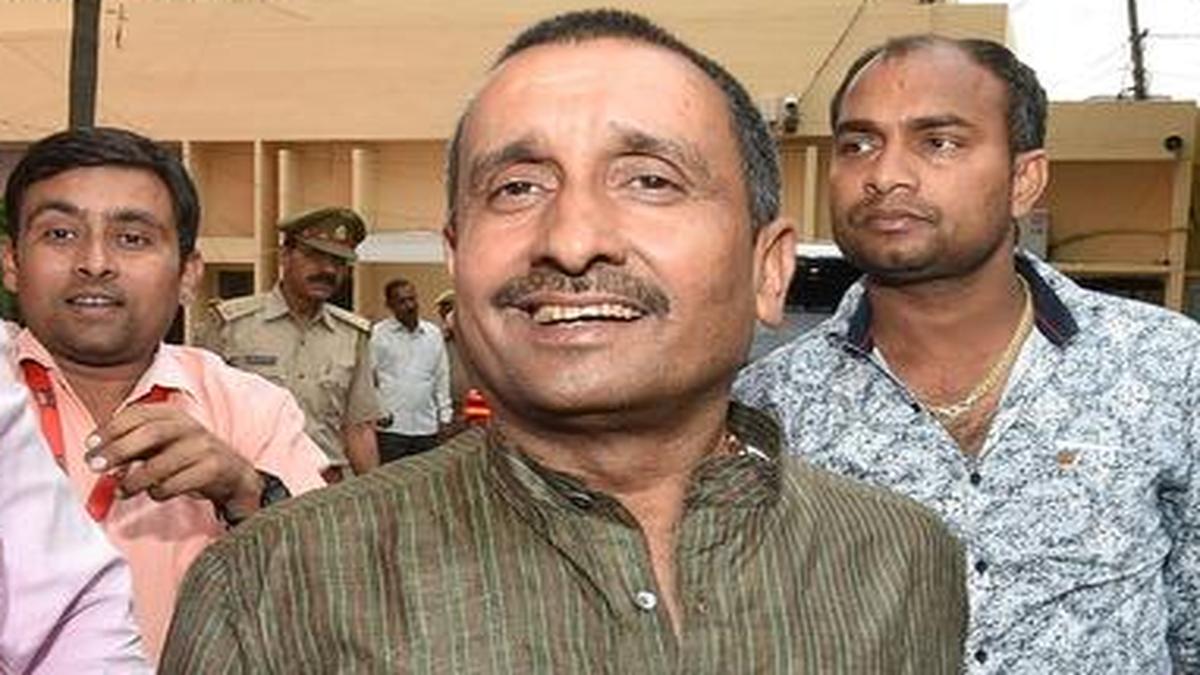
New Delhi | December 27, 2025 The Central Bureau of Investigation (CBI) has challenged the Delhi High Court’s decision to suspend the life sentence of former Bharatiya Janata Party (BJP) MLA Kuldeep Singh Sengar in the 2017 Unnao rape case, arguing before the Supreme Court that the high court committed a serious legal error by narrowly defining the term “public servant.” In an appeal filed against the December 23 order of the Delhi High Court, the CBI said the court failed to correctly interpret the intent of the Protection of Children from Sexual Offences (POCSO) Act. The agency urged the apex court to adopt a “purposive” and “harmonious” reading of the law, stressing that elected representatives like MLAs hold positions of public trust and authority. Kuldeep Singh Sengar was convicted by a trial court in December 2019 for aggravated penetrative sexual assault of a minor under Section 5(c) of the POCSO Act. He was sentenced to life imprisonment for the remainder of his life. The case relates to the rape of a minor girl in Uttar Pradesh’s Unnao district in 2017, which had sparked nationwide outrage. While suspending Sengar’s sentence, the Delhi High Court held that a member of a legislative assembly does not fall under the definition of “public servant” as laid out in Section 21 of the Indian Penal Code. Since the POCSO Act relies on the IPC definition for the term, the high court concluded that the aggravated offence under Section 5(c) was not made out in Sengar’s case. It also cited the fact that Sengar has already spent more than seven years and five months in jail. The CBI strongly disagreed with this reasoning. In its appeal, the agency said that Sengar was convicted for a grave offence that attracts enhanced punishment precisely because it involves abuse of power by a person holding authority. It argued that the high court overlooked the fact that an MLA occupies a constitutional position and exercises significant influence over the public, which places them squarely within the spirit of laws meant to protect vulnerable people, especially children. The agency pointed out that several Supreme Court rulings have consistently treated MPs and MLAs as public servants, particularly in cases involving misuse of power. According to the CBI, limiting this interpretation only to corruption cases under the Prevention of Corruption Act and excluding serious crimes like sexual offences against children defeats the purpose of the law. The CBI said that IPC Section 21, the Prevention of Corruption Act, and POCSO Act provisions all share a common goal of holding people in positions of trust to higher standards of accountability. It stressed that lawmakers deliberately included stricter punishments in cases where authority or public office is abused, reflecting society’s strong interest in protecting children from exploitation. Emphasising the seriousness of the crime, the agency said offences under Section 5(c) of the POCSO Act are even more severe than corruption offences. While corruption harms governance, sexual abuse of children causes direct physical, mental, and emotional trauma with long-lasting consequences. The CBI also argued that suspending a life sentence should be an exception, not the rule. It said such relief should be granted only when a conviction appears clearly unsustainable or when there is a strong chance of success in appeal. Long incarceration or delays in hearing appeals, it added, cannot by themselves justify suspension in cases involving heinous crimes. The high court had also ruled that Sengar’s case could not be examined under Section 5(p) of the POCSO Act, which deals with persons in positions of trust or authority, as the trial court had not made specific findings on this aspect. It said it was not appropriate to explore such arguments while deciding an application for suspension of sentence. Sengar’s appeal against his conviction is still pending before the high court. The CBI and the survivor have both opposed the suspension of his sentence, warning that his release could pose a serious threat to the survivor and her family. The agency has now sought a stay on the high court’s order, asking the Supreme Court to intervene in the interest of justice. Unnao Rape Case: CBI Tells Supreme Court Delhi HC Erred in Suspending Kuldeep Sengar’s Life Sentence The Central Bureau of Investigation (CBI) has moved the Supreme Court against the Delhi High Court’s decision to suspend the life sentence of former BJP MLA Kuldeep Singh Sengar in the 2017 Unnao rape case. The agency has argued that the high court made a serious mistake by taking a narrow view of who qualifies as a “public servant” under the law. Sengar was convicted in December 2019 for the rape of a minor under the Protection of Children from Sexual Offences (POCSO) Act and was sentenced to life imprisonment for the rest of his life. On December 23, the Delhi High Court suspended his sentence, stating that a Member of the Legislative Assembly does not fall under the definition of “public servant” in Section 21 of the Indian Penal Code, which is used by the POCSO Act. Challenging this view, the CBI said that an MLA holds a constitutional position and exercises public power and trust. The agency argued that laws like the IPC, the Prevention of Corruption Act, and the POCSO Act share a common purpose of holding people in authority to higher standards, especially when crimes involve vulnerable victims like children. The CBI stressed that aggravated offences under POCSO attract stricter punishment precisely because they involve abuse of power. It added that sexual offences against children are more serious than corruption cases, as they cause deep physical and psychological harm. The agency also said that suspending a life sentence should be rare and only allowed when a conviction appears weak. Long time spent in jail or delays in appeal hearings, it argued, are not enough reasons in cases involving grave crimes. The survivor and the CBI have warned that Sengar’s release could threaten the survivor and her family. Sengar’s appeal against his conviction is still pending, and the CBI has now asked the Supreme Court to stay the high court’s order.