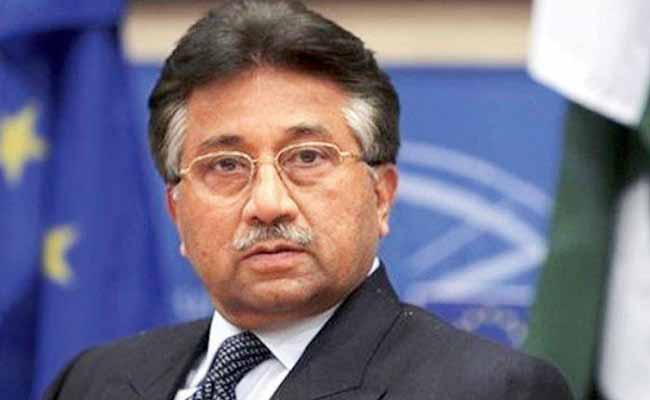
Pakistan Acknowledges Impact of India’s Operation Sindoor, Admits Drone Strikes Hit Nur Khan Airbase
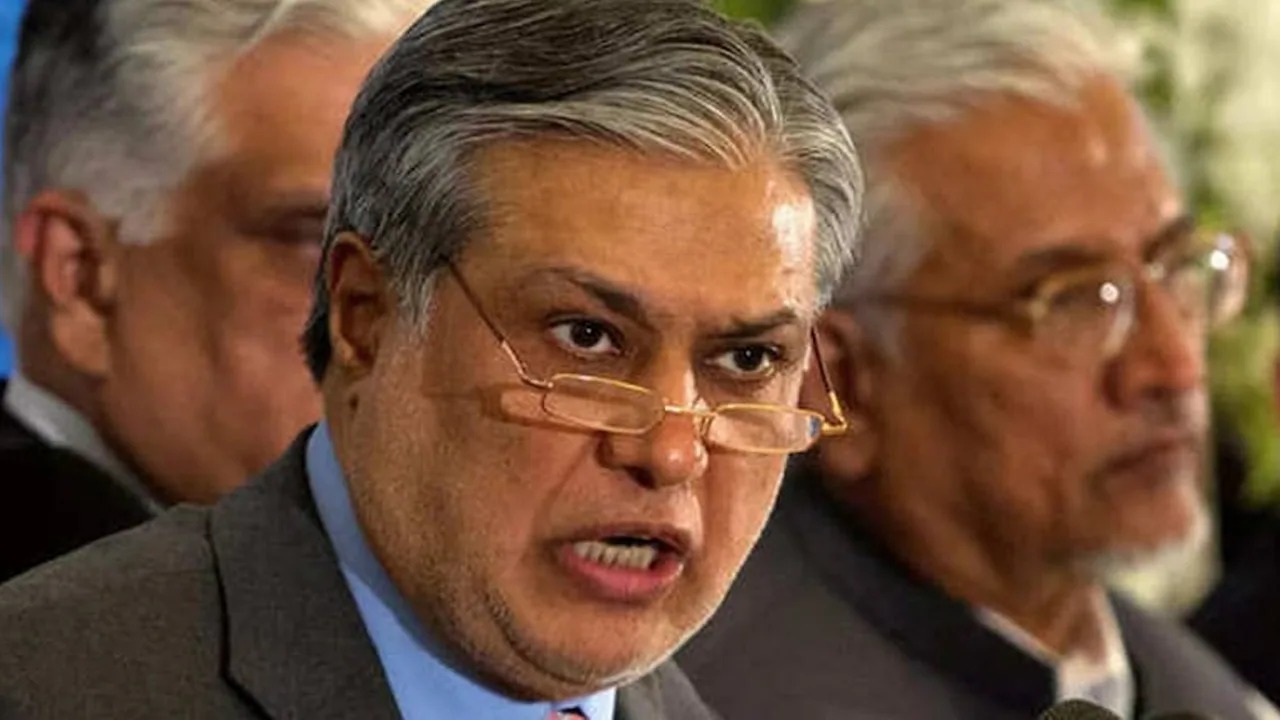
New Delhi | December 29, 2025 Pakistan has, for the first time, openly acknowledged the scale and impact of India’s military strikes under Operation Sindoor, nearly eight months after the brief but intense armed conflict between the two countries in May this year. The admission came from Pakistan’s Deputy Prime Minister and Foreign Minister Ishaq Dar, marking a clear shift from Islamabad’s earlier attempts to downplay the damage caused by Indian operations. Speaking at a year-end press briefing last week, Dar confirmed that Indian drones had targeted the Nur Khan airbase in Rawalpindi’s Chaklala area, one of Pakistan’s most strategic military installations. He stated that the strikes caused damage to the base and resulted in injuries to Pakistani personnel. Nur Khan airbase is located less than 25 kilometres from Islamabad and houses key assets of the Pakistan Air Force, underlining the seriousness of the attack. Dar revealed that India carried out a large-scale drone operation over a short period. According to him, at least 80 drones were launched within a span of 36 hours. While he claimed that Pakistan intercepted 79 of those drones, he acknowledged that one drone managed to hit the airbase. He described the strike on Nur Khan in the early hours of May 10 as a turning point that led to Pakistan launching a retaliatory operation. India launched Operation Sindoor in the early hours of May 7, 2025, in response to a terror attack in Pahalgam, Jammu and Kashmir, on April 26, in which 26 civilians were killed. The operation led to four days of heightened military tension between India and Pakistan, raising fears of a wider conflict before a ceasefire was announced. Dar’s comments reflect a noticeable change in Pakistan’s official position. Earlier, Islamabad had largely denied or minimised the extent of damage caused by Indian strikes. He also stated that Pakistan did not seek mediation during the conflict, countering reports that Islamabad had approached international powers for intervention. According to Dar, US Secretary of State Marco Rubio and Saudi Foreign Minister Prince Faisal bin Farhan had expressed interest in speaking with India during the crisis. He claimed that on the morning of May 10, Rubio called him to convey that India was ready for a ceasefire and asked whether Pakistan would agree. Dar said Pakistan never wanted the situation to escalate into a full-scale war. He added that Saudi Arabia later played a role in confirming that both sides had agreed to halt military action. During the briefing, Dar also claimed that Pakistan shot down seven Indian fighter jets during the air battle on May 7. However, he did not provide any evidence to support this assertion. He reiterated Pakistan’s long-standing stance that lasting peace in the region depends on resolving the Jammu and Kashmir issue. The seriousness of India’s strikes was further highlighted by a recent admission from Pakistan President Asif Ali Zardari. Speaking at a public event, Zardari said that during the conflict, his military secretary advised him to move to a bunker for safety. He said he refused, adding that leaders do not hide in bunkers during times of war. His remarks suggested the high level of alarm within Pakistan’s leadership following the Indian operation. Zardari also claimed that he had prior knowledge of the possibility of conflict days before the strikes began. His statement added to growing evidence that Operation Sindoor caused significant concern at the highest levels of the Pakistani establishment. In recent weeks, satellite images have shown reconstruction work underway at the Nur Khan airbase, further supporting claims of damage during the May strikes. While India has not officially confirmed the weapons used, defence experts believe the facility may have been targeted using advanced missiles such as the BrahMos or the SCALP air-launched cruise missile, deployed from Indian Air Force fighter jets. Together, these developments indicate a rare public admission by Pakistan of the impact of Indian military action, shedding new light on the events of the May conflict and its aftermath. Pakistan Acknowledges Impact of India’s Operation Sindoor, Admits Drone Strikes Hit Nur Khan Airbase For the first time since the brief military conflict in May 2025, Pakistan has openly admitted the impact of India’s Operation Sindoor. The acknowledgment came from Pakistan’s Deputy Prime Minister and Foreign Minister Ishaq Dar, nearly eight months after the four-day standoff between the two nuclear-armed neighbours. Speaking at a year-end press briefing, Dar confirmed that Indian drones targeted the Nur Khan airbase in Rawalpindi, a key military installation located less than 25 km from Islamabad. He said the strikes caused damage to the base and injured Pakistani personnel. According to Dar, India launched at least 80 drones within a span of 36 hours, claiming that Pakistan intercepted most of them, but one drone managed to hit the airbase. India had launched Operation Sindoor in the early hours of May 7 to avenge the killing of 26 civilians in a terror attack in Pahalgam, Jammu and Kashmir, on April 26. The operation led to intense military exchanges over four days before a ceasefire was announced on May 10. Dar’s statement marks a clear shift from Pakistan’s earlier stance, which had downplayed the damage caused by Indian strikes. He also claimed that Pakistan did not ask for mediation during the conflict, saying that the US and Saudi Arabia reached out to both sides instead. According to him, discussions on May 10 eventually led to an agreement to halt military action. The Pakistani minister also claimed that his country shot down seven Indian fighter jets during the conflict, though no evidence was shared. Separately, Pakistan President Asif Ali Zardari revealed that he was advised to move to a bunker during the strikes, highlighting the level of tension within Islamabad. Recent satellite images showing reconstruction at Nur Khan airbase further support claims of damage during the operation. While India has not confirmed the weapons used, experts believe advanced missiles were likely deployed. The admission has reopened discussions on the scale and impact of Operation Sindoor and its implications for regional security.