Indian Railways Plans to Double Train Capacity in 48 Major Cities by 2030 to Ease Congestion and Improve Connectivity
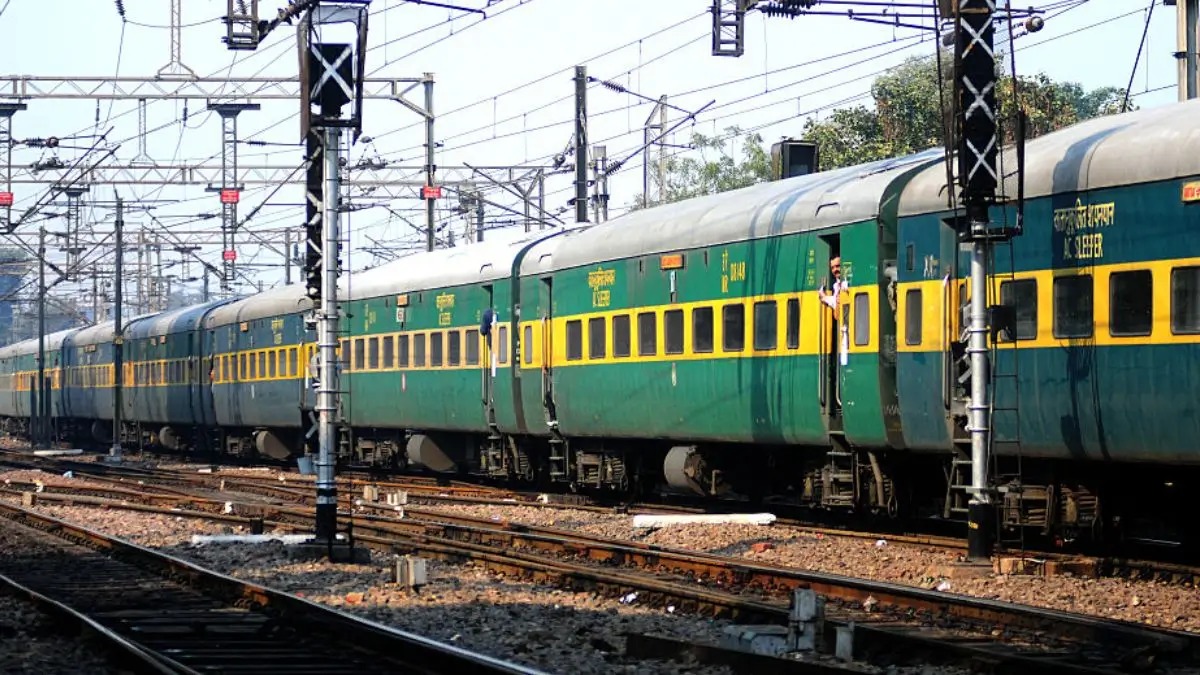
New Delhi, Dec 29, 2025: Indian Railways has announced a major plan to double the train originating capacity in 48 major cities across the country by 2030. The ambitious initiative aims to meet the rising demand for passenger travel, reduce congestion at busy stations, and strengthen nationwide rail connectivity. Union Railway Minister Ashwini Vaishnaw said the project will involve expanding coaching terminals, improving sectional and operational capacities, and enhancing the overall efficiency of train operations. Passenger travel in India has been steadily increasing, putting immense pressure on existing railway infrastructure. Major city terminals such as Delhi, Mumbai, Kolkata, Chennai, Hyderabad, Bengaluru, and others are operating near their maximum capacity, making it difficult to accommodate growing traffic. Congestion at large stations has affected punctuality and operational performance. Indian Railways emphasised that current facilities must be upgraded to handle future demand and ensure smoother journeys for millions of passengers. The expansion plan includes several key objectives: doubling the number of trains originating from major cities, reducing congestion at high-traffic stations, improving punctuality and operational efficiency, strengthening suburban and long-distance rail services, and ensuring balanced distribution of train traffic across multiple stations. To achieve these targets, Indian Railways will undertake significant infrastructure upgrades, including constructing additional platforms at existing terminals, expanding stabling lines, pit lines, and shunting facilities, and developing new terminals in and around urban areas. Maintenance facilities, including mega coaching complexes, will also be created. Signalling systems will be upgraded, and multi-tracking projects will increase sectional capacity. The 48 cities selected for capacity doubling include Delhi, Mumbai (Central and Western), Kolkata (Eastern, South Eastern, and Metro), Chennai, Hyderabad, Bengaluru, Ahmedabad, Patna, Puri, Lucknow, Pune, Nagpur, Varanasi, Kanpur, Gorakhpur, Jaipur, Indore, Bhopal, Jammu, Coimbatore, Guwahati, and many others. Cities with heavy commuter traffic will be given priority in the phased rollout. Indian Railways will also focus on developing stations around major terminals to distribute train traffic and reduce pressure on single hubs. For instance, in Pune, upgrades are planned at Hadapsar, Khadki, and Alandi, in addition to expanding platforms and stabling lines at Pune station. The phased implementation strategy will allow passengers to benefit from immediate and short-term projects while long-term infrastructure works are completed. All zonal railways have been instructed to plan capacity enhancement across divisions, focusing on terminals, sections, stations, and yards. Operational constraints affecting train movement will be addressed to ensure smoother suburban and long-distance services. By 2030, these efforts are expected to double train originating capacity in 48 major cities, improve passenger experience, reduce congestion, and strengthen India’s railway network to meet growing travel demands. [29/12, 10:56] Jefry Jenifer: Indian Railways Plans to Double Train Capacity in 48 Major Cities by 2030 to Ease Congestion and Improve Connectivity Indian Railways is planning a big upgrade! By 2030, the railways aim to double the train originating capacity in 48 major cities across India. This move comes as passenger demand keeps growing, and many big stations are already running near full capacity. The goal is to make travel smoother, reduce crowding, and improve connectivity across the country. Union Railway Minister Ashwini Vaishnaw said the plan will include expanding coaching terminals, improving operational capacity, and upgrading sections across different cities. Major stations like Delhi, Mumbai, Kolkata, Chennai, Hyderabad, Bengaluru, Pune, Lucknow, and Varanasi are all set for upgrades. Cities with high commuter traffic will get priority, making daily travel easier for millions. The railway expansion will involve building new platforms, adding stabling lines, pit lines, and shunting facilities, and creating new terminals around urban areas to spread out train traffic. Maintenance facilities, like mega coaching complexes, will also be developed. Signalling systems will be upgraded, and multi-tracking projects will increase train movement capacity. Some cities will also see station upgrades around major hubs to reduce congestion. For example, Pune will have improvements at Hadapsar, Khadki, and Alandi stations, alongside more platforms at Pune station itself. The rollout will happen in phases over the next few years, so passengers can start seeing benefits early. This ambitious plan is expected to not only double train originating capacity but also make train travel more punctual, efficient, and comfortable. It’s a step toward strengthening India’s rail network to meet the growing travel needs of millions of passengers every day.