GST Compensation Cess to End on February 1, New Tobacco Tax Regime to Begin
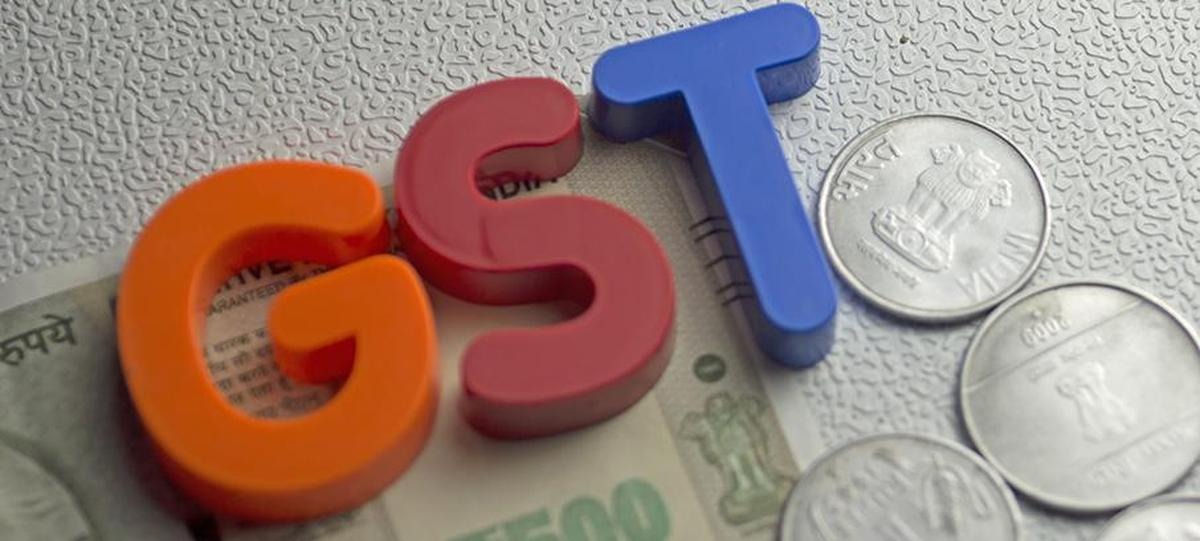
New Delhi | January 1, 2026 The Union government on Thursday notified February 1, 2026, as the date for the end of the GST compensation cess and the rollout of a new taxation framework for tobacco products, marking a significant shift in indirect tax policy. The Ministry of Finance issued a series of notifications on New Year’s Day to operationalise changes approved by Parliament during the Winter Session. The government announced that the Central Excise (Amendment) Act, 2025, which lays down revised excise duty rates for tobacco products, will come into force from February 1. Alongside this, provisions of the Health Security-cum-National Security Act, 2025, imposing a cess on the manufacture of pan masala and related products, will also take effect from the same date. Officials said these measures are aimed at restructuring tobacco taxation while ensuring stable funding for public health and national security needs. In an explanatory note, the Finance Ministry said that under the GST regime, excise duty on cigarettes had effectively become negligible, while GST compensation cess rates on tobacco products had remained unchanged since July 2017. This, the Ministry noted, had resulted in cigarettes becoming more affordable over time, contrary to global public health recommendations that call for regular increases in specific excise duties to curb consumption by making tobacco products costlier. The Ministry also confirmed that the GST compensation cess, introduced in 2017 to compensate States for revenue losses due to GST implementation, will cease entirely from February 1. Although the cess was originally meant to end in 2022, it was extended until 2026 to repay loans taken by the Centre during the COVID-19 pandemic to make up for shortfalls in State compensation. With those liabilities nearing completion, the cess has now been formally wound up. From the same date, new GST rates for tobacco products will come into force. Bidis have been shifted to the 18% GST slab from the earlier 28%, while all other tobacco products will attract a higher GST rate of 40%. The government has also introduced a new valuation mechanism for products such as chewing tobacco, gutkha, khaini, jarda and scented tobacco, under which GST will be calculated based on the retail sale price printed on the package. Justifying the national security component of the new cess, the Finance Ministry said general tax revenues often face competing developmental demands and may not ensure consistent long-term funding for security-related requirements. A dedicated, purpose-specific cess, it said, would provide a stable and predictable financial stream for national security preparedness, technological upgrades and equipment procurement, without placing an additional burden on the wider population through broad-based tax hikes. GST Compensation Cess to End Feb 1, New Tobacco Tax Rules Announced The Union government has notified February 1, 2026, as the date when the GST compensation cess will officially come to an end. The decision was announced through a series of notifications issued by the Ministry of Finance on New Year’s Day, marking a major change in India’s indirect tax structure. From the same date, a new taxation regime for tobacco products will come into force. The government has revised excise duties and GST rates, stating that tobacco products had become relatively more affordable over the years due to unchanged tax rates. Officials said the new framework aligns with public health goals by making tobacco costlier over time. Under the revised GST structure, bidis will now attract 18% GST, while all other tobacco products will be taxed at a higher 40% rate. The government has also introduced a new valuation system where GST on items like chewing tobacco, gutkha and khaini will be calculated based on the retail price printed on the package. The GST compensation cess, introduced in 2017 to protect States from revenue losses after GST rollout, was extended until 2026 to repay loans taken during the COVID-19 period. With repayments nearing completion, the cess will now be fully withdrawn. The Finance Ministry also said a separate cess linked to health and national security will help ensure steady funding for long-term security needs without increasing the tax burden on the general public.