U.S. Strikes Venezuela: Maduro Captured, Sparks Global Outrage
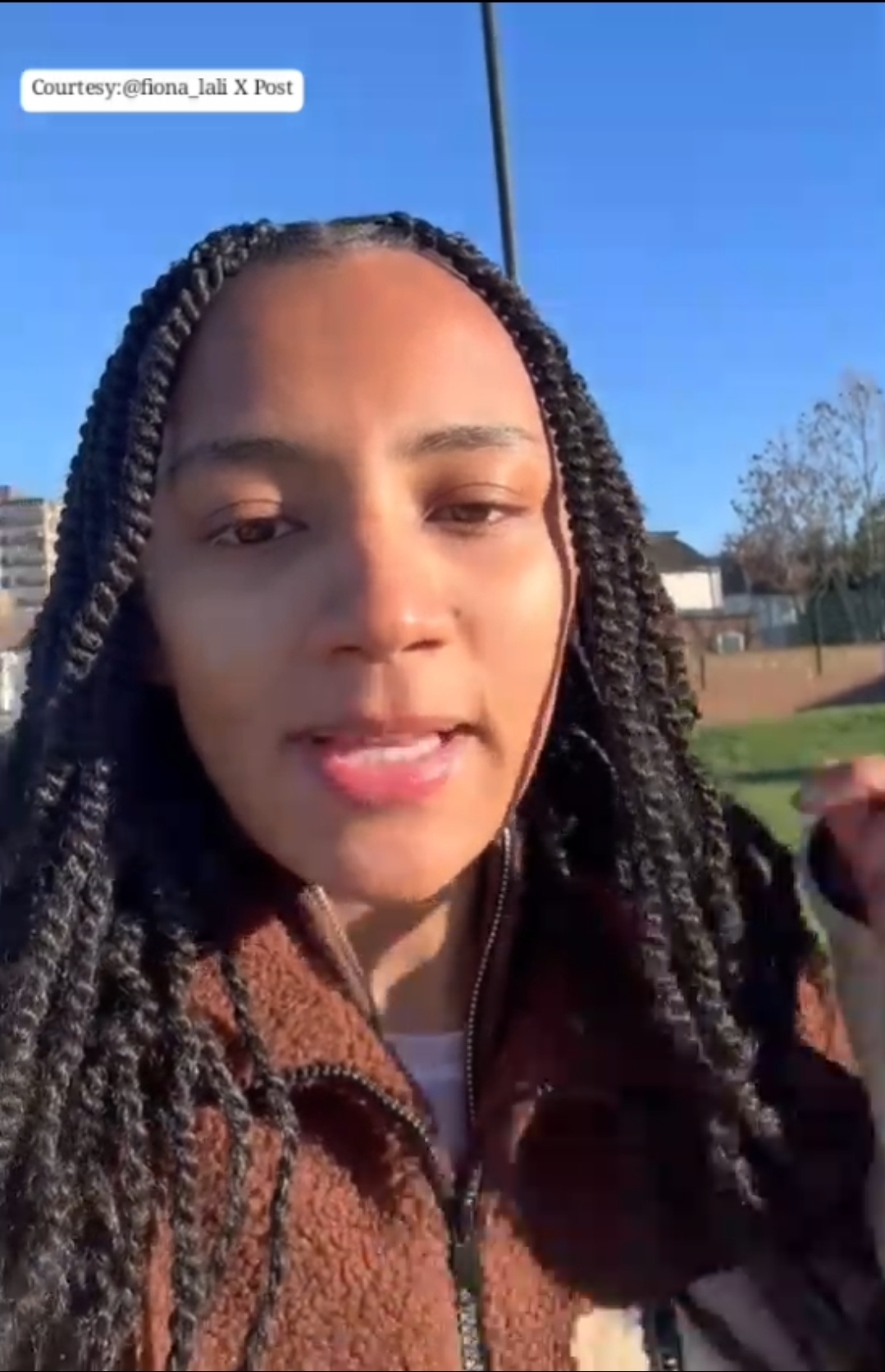
On January 3, 2026, the United States carried out military strikes in Venezuela, reportedly capturing President Nicolás Maduro and his wife, Cilia Flores. The operation targeted key military installations in Caracas and nearby areas, creating panic among civilians and causing widespread destruction. Videos circulating online show explosions across the city, while one clip features a young girl saying, “Trump has bombed Venezuela and captured Maduro.” The U.S. administration claimed the operation was aimed at fighting drug trafficking and restoring democracy, but critics have strongly rejected this explanation. Many argue the attack is part of U.S. imperialist efforts to maintain control over Venezuela’s oil, gas, and mineral resources. Social media users and activists have denounced it as a blatant act of aggression and a violation of international law. Venezuelan authorities called the strikes “illegal and criminal,” emphasizing that foreign military intervention undermines the country’s sovereignty. International reaction was swift. Iran condemned the U.S. action as a “blatant violation of international law,” while Russia called it “illegal and without justification.” A United Nations expert described the strikes and Maduro’s capture as “illegal aggression,” warning about the broader threat to international peace. Regional neighbors also voiced concern: Colombia’s President Gustavo Petro highlighted the danger to regional stability, and Cuba labeled the attack “state terrorism.” The incident has sparked a wave of calls for global protests, especially outside U.S. embassies. Activists emphasize that the U.S. cannot lecture other nations on borders or migration when it attacks countries, forcing people to flee. Hashtags trending across platforms include #StandWithVenezuela, #USAggression, #NoToImperialism, #Maduro, #VenezuelaUnderAttack, and #GlobalSolidarity. Experts warn that the strikes could destabilize Latin America and set a dangerous precedent for unilateral military interventions. While the U.S. frames the action as a fight against drugs and dictatorship, critics say the real aim is to assert dominance over a resource-rich region. As Venezuela struggles to respond, the coming days are expected to witness heightened protests, diplomatic pressure, and international debates on sovereignty, law, and the morality of unilateral military interventions. The world is watching closely as tensions escalate.