India–U.S. Trade Deal Stalled Due to Lack of Direct Modi–Trump Call: Howard Lutnick
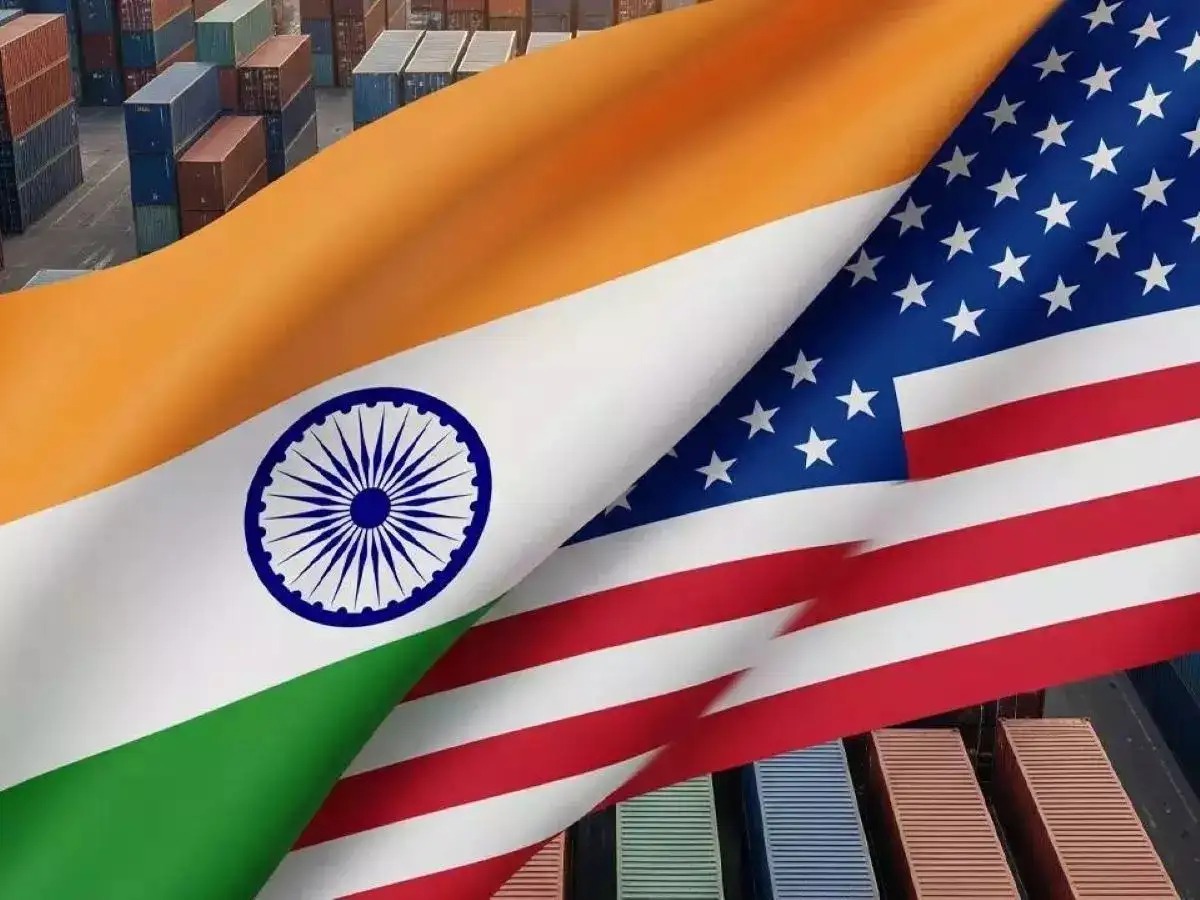
Washington | January 9, 2026: U.S. Commerce Secretary Howard Lutnick has said that the long-pending India–U.S. trade agreement failed to materialise because Prime Minister Narendra Modi did not directly speak with U.S. President Donald Trump to conclude the negotiations. His remarks come amid heightened tensions over trade and energy issues between the two countries. Lutnick’s statement follows recent comments by President Trump, who expressed displeasure over India’s continued purchases of Russian oil and warned that Washington could impose higher tariffs on Indian goods “very quickly.” These remarks were made at a time when India and the U.S. were engaged in active discussions on a bilateral trade pact, with six rounds of negotiations already completed. Speaking on a podcast on Thursday, Lutnick said he had advised that a direct call from Prime Minister Modi to President Trump could help close the deal. However, he claimed that India was “uncomfortable” with this step, and as a result, the call never took place, delaying the finalisation of the agreement that was expected to address the 50% tariffs on Indian exports to the U.S. The Commerce Secretary added that while negotiations with India were ongoing, the U.S. went ahead and concluded trade deals with countries such as Indonesia, the Philippines and Vietnam. He said these agreements were finalised at higher rates, and when India later indicated readiness to move forward, the circumstances had already changed, complicating the process further. India–U.S. Trade Agreement Hits Roadblock Over Missed Leadership Outreach U.S. Commerce Secretary Howard Lutnick has claimed that the proposed India–U.S. trade deal could not be concluded as Prime Minister Narendra Modi did not make a direct call to U.S. President Donald Trump, a step he believes was crucial to sealing the agreement. The remarks came shortly after President Trump publicly expressed his dissatisfaction with India’s continued import of Russian oil and hinted that higher tariffs on Indian goods could be imposed swiftly. At the time, both nations were in the middle of negotiations for a bilateral trade pact, with six rounds of talks already completed. In a recent podcast, Lutnick said he had suggested that a direct conversation between the two leaders would help finalise the deal, but India appeared hesitant. He stated that the absence of this outreach slowed momentum on an agreement that also aimed to address the issue of steep tariffs on Indian exports to the U.S. Lutnick further noted that while talks with India were pending, the U.S. went ahead and closed trade agreements with countries such as Indonesia, the Philippines and Vietnam. These deals, he said, were finalised at higher tariff rates, and by the time India re-engaged, the trade landscape had already shifted.