EU Avoided Tariffs on India to Secure Major Trade Pact, Says US Treasury Secretary
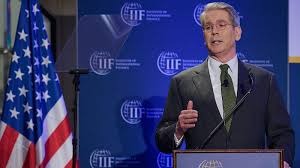
Washington | 24 January 2026 US Treasury Secretary Scott Bessent has said that the United States’ decision to impose tariffs on India over its purchase of Russian oil had a visible impact, while European nations chose a different path to protect their trade interests with New Delhi. Speaking in an interview with Politico’s Dash Burns, Bessent stated that the 25% US tariffs resulted in a sharp decline in Indian imports of Russian oil, but European allies refused to take similar steps as they were keen on finalising a “big trade deal” with India. Explaining the US position, Bessent said, “We put 25% tariffs on India for buying Russian oil, and the Indian purchases by their refineries of Russian oil have collapsed. The 25 per cent Russian oil tariffs are still on. I would imagine that there is a path to take them off, so you know that that’s a check and a huge success.” He highlighted that Washington viewed the tariffs as an effective tool to influence energy trade decisions. The US Treasury Secretary also criticised Europe’s approach, saying that the “virtue signalling European allies” avoided imposing tariffs because of their trade ambitions with India. He noted that before the Ukraine war, Russia accounted for only about 2–3% of India’s oil imports, but this figure rose sharply to nearly 18–19% after the conflict began. Bessent added that Europeans were later buying refined Russian oil from India, calling it “the ultimate act of irony and stupidity” as it meant they were indirectly financing “the war against themselves.” Meanwhile, trade dynamics around India continue to evolve. While the US imposed additional tariffs in August last year citing India’s energy ties with Russia, the European Union is moving closer to finalising a Free Trade Agreement with New Delhi. European Commission President Ursula von der Leyen recently described the proposed India-EU FTA as the “mother of all deals,” calling it a key step in strengthening economic ties. Once concluded, it would become India’s ninth trade agreement in four years and could help restore competitiveness affected by the EU’s withdrawal of earlier tariff concessions. EU Chose Trade Ties Over Tariffs on India, Says US Treasury Secretary Scott Bessent US Treasury Secretary Scott Bessent has said that American tariffs on India over Russian oil purchases had a clear impact, while European countries avoided taking similar action to protect their trade interests. In an interview with Politico’s Dash Burns, Bessent stated that the US decision to impose a 25% tariff led to a sharp fall in Indian imports of Russian oil, but Europe held back because it wanted to close a “big trade deal” with New Delhi. Explaining the US move, Bessent said, “We put 25% tariffs on India for buying Russian oil, and the Indian purchases by their refineries of Russian oil have collapsed. The 25 per cent Russian oil tariffs are still on. I would imagine that there is a path to take them off, so you know that that’s a check and a huge success.” He suggested that the tariffs worked as intended and forced a rethink in energy sourcing. Bessent also took a dig at Europe’s stand, saying the “virtue signalling European allies” avoided imposing tariffs to keep trade talks with India on track. He pointed out that before the Ukraine war, Russian oil made up just 2–3% of India’s imports, but later rose to around 18–19%. He added that Europeans then bought refined Russian oil from India, calling it “the ultimate act of irony and stupidity” as they were funding “the war against themselves.” At the same time, India’s global trade position is shifting. While the US imposed tariffs and sanctions linked to Russian oil, the European Union is moving closer to finalising a Free Trade Agreement with India. European Commission President Ursula von der Leyen has described the proposed pact as the “mother of all deals”, highlighting its importance. If completed, it would be India’s ninth trade deal in four years and could help strengthen its economic ties with Europe.