Noida International Airport Set for Inauguration, Marks Major Boost to NCR Connectivity
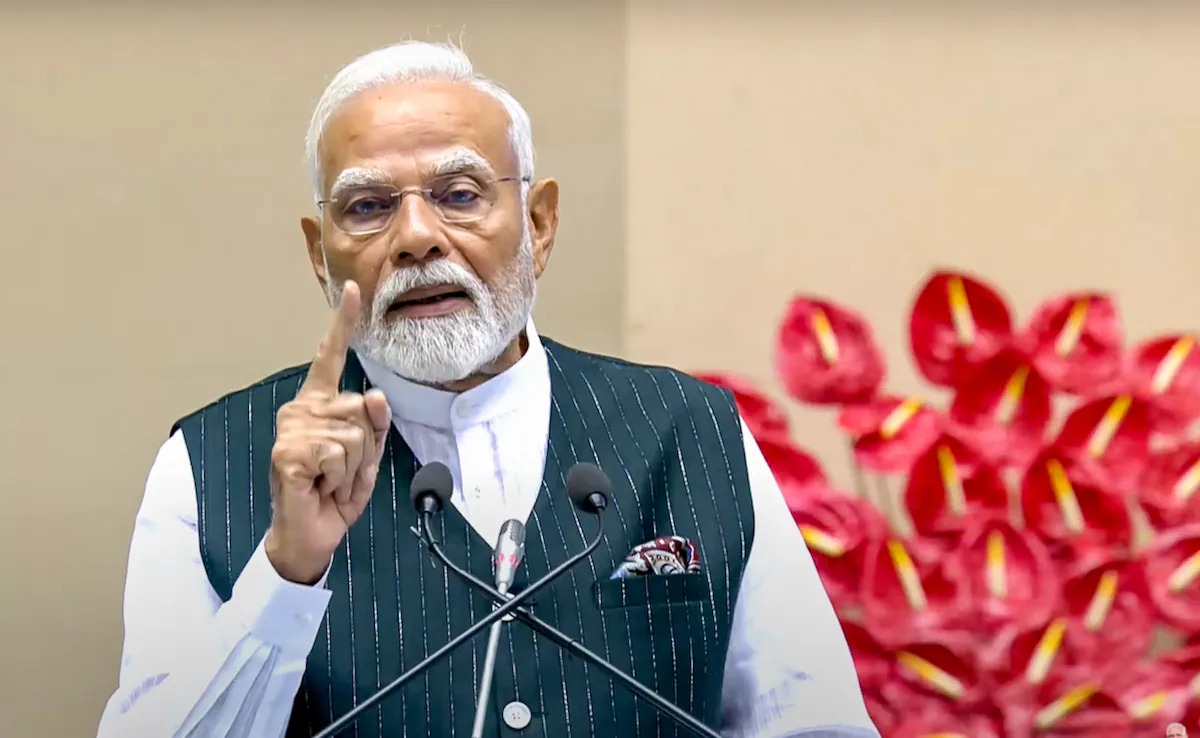
Noida | 26 March 2026 Prime Minister Narendra Modi is set to inaugurate Phase I of the Noida International Airport on March 28, marking a significant milestone in India’s aviation sector. Built with an investment of around ₹11,200 crore under the Public–Private Partnership (PPP) model, the airport is expected to emerge as a major international gateway for the National Capital Region (NCR). During his visit, the Prime Minister will tour the terminal building, formally inaugurate the facility, and address a public gathering. The new airport will serve as the second major aviation hub in the NCR, complementing the existing Indira Gandhi International Airport. It is expected to reduce congestion while improving passenger and cargo handling capacity in the region. In its first phase, the airport will handle up to 12 million passengers annually, with plans to expand capacity to 70 million passengers in the future. The facility includes a 3,900-metre runway designed to accommodate wide-body aircraft and is equipped with advanced navigation and lighting systems for round-the-clock operations. A key highlight of the project is its integrated cargo infrastructure. The airport will initially manage over 2.5 lakh metric tonnes of cargo each year, with the ability to scale up to nearly 18 lakh metric tonnes. It also features a dedicated Maintenance, Repair, and Overhaul (MRO) facility spread across 40 acres, along with logistics zones and a modern cargo terminal. These developments are expected to strengthen India’s position in global trade and supply chains. Strategically located along the Yamuna Expressway, the airport is being developed as a multi-modal transport hub with seamless connectivity through road, rail, metro, and regional transit systems. Emphasising sustainability, the project is designed to function as a net-zero emissions airport, incorporating energy-efficient systems and architectural elements inspired by traditional Indian styles such as ghats and havelis. The inauguration is seen as a major step toward enhancing infrastructure and boosting economic growth in the region. Noida International Airport Set for Inauguration, Marks Major Boost to NCR Connectivity Prime Minister Narendra Modi is set to inaugurate Phase I of the Noida International Airport on March 28, marking a significant milestone in India’s aviation sector. Built with an investment of around ₹11,200 crore under the Public–Private Partnership (PPP) model, the airport is expected to emerge as a major international gateway for the National Capital Region (NCR). During his visit, the Prime Minister will tour the terminal building, formally inaugurate the facility, and address a public gathering. The new airport will serve as the second major aviation hub in the NCR, complementing the existing Indira Gandhi International Airport. It is expected to reduce congestion while improving passenger and cargo handling capacity in the region. In its first phase, the airport will handle up to 12 million passengers annually, with plans to expand capacity to 70 million passengers in the future. The facility includes a 3,900-metre runway designed to accommodate wide-body aircraft and is equipped with advanced navigation and lighting systems for round-the-clock operations. A key highlight of the project is its integrated cargo infrastructure. The airport will initially manage over 2.5 lakh metric tonnes of cargo each year, with the ability to scale up to nearly 18 lakh metric tonnes. It also features a dedicated Maintenance, Repair, and Overhaul (MRO) facility spread across 40 acres, along with logistics zones and a modern cargo terminal. These developments are expected to strengthen India’s position in global trade and supply chains. Strategically located along the Yamuna Expressway, the airport is being developed as a multi-modal transport hub with seamless connectivity through road, rail, metro, and regional transit systems. Emphasising sustainability, the project is designed to function as a net-zero emissions airport, incorporating energy-efficient systems and architectural elements inspired by traditional Indian styles such as ghats and havelis. The inauguration is seen as a major step toward enhancing infrastructure and boosting economic growth in the region.