New Address, New Era: PMO Set to Move to ‘Sewa Teerth’ as India’s Power Hub Gets a Major Upgrade
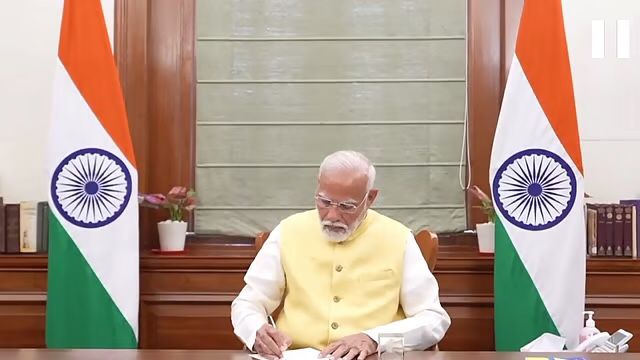
New Delhi - December 2, 2025 The Prime Minister’s Office is preparing for a historic shift, moving out of its 78-year-old address in South Block into a brand-new, purpose-built complex called Sewa Teerth. This marks the first relocation of the PMO since India’s independence, making it a major moment in the country’s administrative history. The new PMO will operate from Sewa Teerth-1, one of three modern government buildings constructed as part of Executive Enclave-I, located beside Vayu Bhawan in the heart of the capital. The other two buildings — Sewa Teerth-2 and Sewa Teerth-3 — will house the Cabinet Secretariat and the National Security Advisor’s Office. This means that some of the highest decision-making bodies in the nation will now function in close proximity, enabling smoother coordination and faster communication. This move is part of the wider Central Vista Redevelopment Project, an ambitious effort to modernise Delhi’s central administrative district. The project includes redesigning Kartavya Path into a more accessible, pedestrian-friendly zone and building new, energy-efficient government complexes to replace older structures such as Shastri Bhawan, Nirman Bhawan and Krishi Bhawan. The government aims to bring numerous ministries, currently scattered across different buildings, into a unified area known as the Common Central Secretariat or Kartavya Bhavan. The decision to relocate the PMO comes after years of recognising the limitations of the old South Block building. Officials have long pointed out issues such as cramped rooms, outdated layouts, insufficient natural light and inefficiencies that come with working in ageing infrastructure. With the new Sewa Teerth complex, the government aims to offer modern workspaces with better facilities, enhanced security, and improved workflow between key ministries. The shift isn’t just functional — it is symbolic. South Block and North Block, iconic structures from the colonial era, will eventually be repurposed into public museums under a proposed cultural project. This transformation will allow citizens to explore the historical and political importance of these buildings, turning them from active government offices into spaces of heritage and learning. Activity has already begun within the new enclave. High-level meetings have been held in Sewa Teerth-2, signalling that the transition is well underway. The overall redevelopment plan also includes future mobility upgrades such as introducing automated people movers to ease travel between major government buildings — a step aimed at reducing congestion and saving valuable time for officials. The bigger picture behind this move is clear: the government wants to create a more efficient, centralised and future-ready administrative ecosystem. The new buildings are designed to support modern governance needs, with better technology, improved sustainability standards and spaces that encourage inter-department collaboration. As ministries begin shifting into the newly completed blocks of the Common Central Secretariat, the government’s administrative map is being redrawn with long-term efficiency in mind. With the PMO’s imminent move to Sewa Teerth, India’s governance landscape is entering a new chapter. The shift marks the end of an era at South Block and the beginning of a modern, unified administrative hub designed to meet the demands of a growing nation. The transition represents not just a change in location but a renewed focus on smarter infrastructure, better coordination and a forward-looking approach to how India manages its core functions at the heart of Delhi. New Address, New Era: PMO Set to Move to ‘Sewa Teerth’ as India’s Power Hub Gets a Major Upgrade The Prime Minister’s Office is preparing to leave its 78-year-old home in South Block and shift to a new modern complex called Sewa Teerth. This is the first time since independence that the PMO is getting a new address, marking an important moment in India’s administrative journey. The PMO will now function from Sewa Teerth-1, located in the newly built Executive Enclave-I near Vayu Bhawan. The neighbouring buildings, Sewa Teerth-2 and Sewa Teerth-3, will house the Cabinet Secretariat and the National Security Advisor’s Office, bringing key decision-makers closer together for better coordination. This move is part of the larger Central Vista Redevelopment Project, which aims to modernise Delhi’s central administrative area. The plan includes creating the Common Central Secretariat, where many ministries will work from new, energy-efficient buildings instead of the older and scattered ones. The government hopes this will improve teamwork, reduce travel time, and offer better working spaces. The historic South Block and North Block buildings will eventually be turned into museums, opening their heritage to the public. With the shift to Sewa Teerth, the government is stepping into a more streamlined, modern and efficient way of functioning.