Delhi Bars Entry of Non-BS VI Vehicles, Fuel Denied Without Pollution Certificate as Anti-Pollution Drive Begins
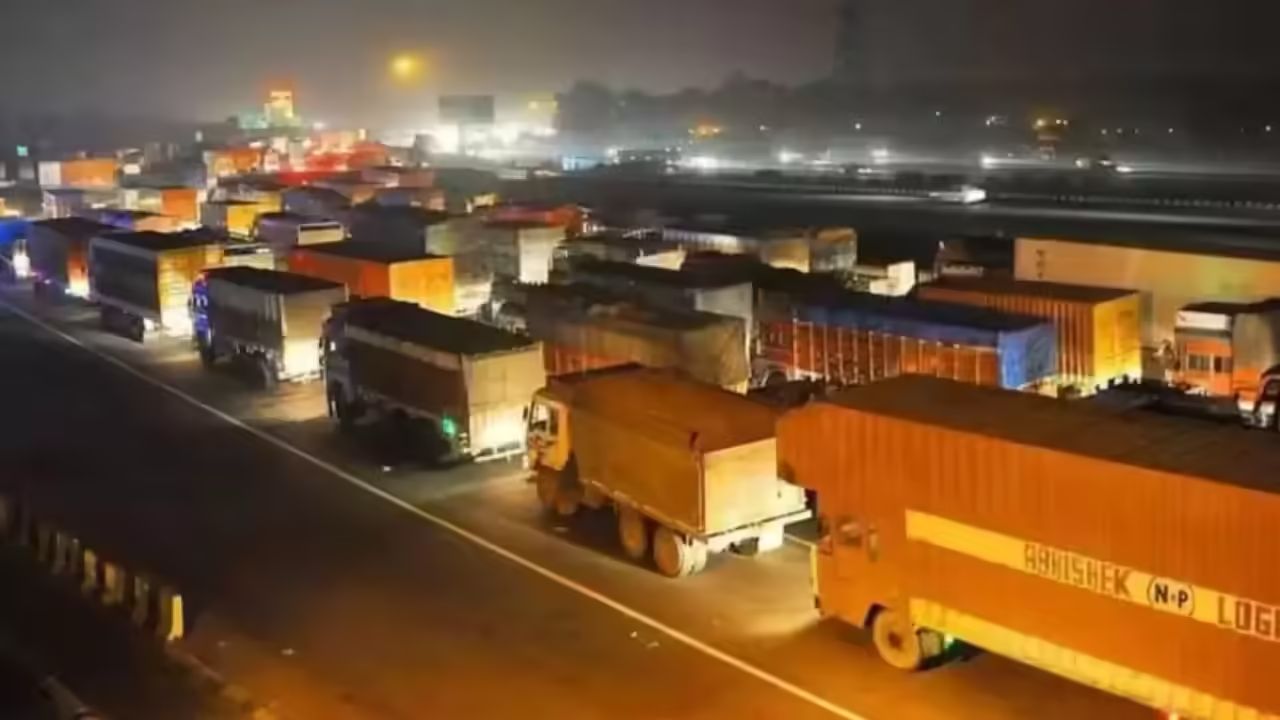
New Delhi – December 18, 2025 In a major step to curb rising air pollution, the Delhi government has enforced strict vehicle restrictions from Thursday, barring the entry of vehicles that do not meet BS-VI emission standards into the national capital. As part of the new measures, fuel stations across Delhi will also refuse fuel to vehicles that do not carry a valid Pollution Under Control (PUC) certificate. The move comes into effect amid worsening air quality in Delhi and neighbouring regions and is being implemented under Stage IV of the Graded Response Action Plan (GRAP), which is activated during severe pollution conditions. Authorities say the measures are aimed at reducing vehicular emissions, which contribute significantly to winter pollution levels in the city. Officials estimate that the decision will impact nearly 12 lakh vehicles that enter Delhi daily from nearby cities such as Gurugram, Ghaziabad, Faridabad, and Noida. Of these, over 5.5 lakh vehicles from Ghaziabad, around 4 lakh from Noida, and nearly 2 lakh from Gurugram are expected to be restricted due to non-compliance with BS-VI norms. To strictly enforce the rules, the Delhi Police and other agencies have stepped up monitoring across the city. A total of 580 police personnel have been deployed for vehicle checks, supported by 37 enforcement vans positioned at 126 key checkpoints. In addition, officials from the Transport Department, Municipal Corporation, and Food Department have been stationed at petrol pumps to ensure compliance with the fuel ban for vehicles without valid PUC certificates. The Delhi government has also activated automatic number plate recognition (ANPR) cameras at fuel stations. These cameras will automatically detect vehicles that lack valid pollution certificates and alert staff, preventing fuel from being dispensed to such vehicles. The announcement was made earlier this week by Delhi Environment Minister Manjinder Singh Sirsa, who said the restrictions would remain in force as long as Stage IV of GRAP continues. He highlighted that vehicular pollution plays a major role in Delhi’s air quality crisis, particularly during the winter months. According to government data, vehicles contribute nearly 19.7 per cent of PM10 pollution and about 25.1 per cent of PM2.5 pollution during winter. PM2.5 particles are especially dangerous as they can penetrate deep into the lungs and enter the bloodstream, causing serious health issues. Alongside vehicle restrictions, work is underway to reduce traffic congestion across the city. Authorities are focusing on eliminating bottlenecks at 100 identified traffic hotspots and developing an integrated traffic management system. The aim is to reduce idling time at traffic signals, cut travel delays, and lower emissions caused by slow-moving traffic. The pollution situation in Delhi has also drawn attention at the national level. The Lok Sabha is scheduled to hold a debate on air pollution under Rule 193 on Thursday. Opposition parties, including the Congress, have been demanding this discussion for weeks, with Leader of Opposition Rahul Gandhi repeatedly raising the issue inside and outside Parliament. Union Environment Minister Bhupender Yadav is expected to reply to the debate later in the evening. Delhi’s air quality has remained in the “Severe” to “Very Poor” category since November. On Wednesday evening, the city’s 24-hour average Air Quality Index (AQI) stood at 334, which falls under the “very poor” category, though it showed a slight improvement compared to Tuesday’s reading of 354. Due to the health risks posed by poor air quality, the Delhi government has also announced several precautionary measures. Physical classes have been suspended for primary school students, while secondary and senior secondary students have been given the option to attend classes online or offline. Offices have been advised to function with only 50 per cent staff present on-site to reduce commuting-related emissions. Officials have urged residents to cooperate with the new rules, use public transport wherever possible, and avoid unnecessary travel. The government has said these steps, though strict, are necessary to protect public health and prevent further deterioration of air quality in the capital. Delhi Bars Entry of Non-BS VI Vehicles, Fuel Denied Without Pollution Certificate as Anti-Pollution Drive Begins Delhi has rolled out strict new rules to fight rising air pollution, and they come into effect from today. Vehicles that do not meet BS-VI emission standards will no longer be allowed to enter the national capital. In addition, petrol pumps across the city will refuse fuel to any vehicle that does not have a valid Pollution Under Control (PUC) certificate. The move is part of Stage IV of the Graded Response Action Plan (GRAP), which is activated when air quality reaches severe levels. Officials say vehicle emissions are a major cause of Delhi’s winter pollution, making these steps necessary to protect public health. The decision is expected to affect nearly 12 lakh vehicles that enter Delhi daily from nearby areas such as Gurugram, Ghaziabad, Faridabad, and Noida. Thousands of older vehicles that fail to meet BS-VI norms will now be stopped at city borders. To enforce the rules, around 580 police personnel have been deployed, along with 37 enforcement vans at 126 checkpoints across Delhi. Petrol pumps are also under close watch. Automatic number plate recognition cameras have been installed to identify vehicles without valid PUC certificates. Officials from the Transport Department and municipal bodies will monitor fuel stations to ensure the rules are followed. According to government data, vehicles contribute nearly 20% of PM10 and over 25% of PM2.5 pollution during winter. With Delhi’s Air Quality Index remaining in the “very poor” to “severe” range since November, the government says tough action is unavoidable. Other measures are also in place. Primary schools have shifted to online classes, while higher classes can choose between online and physical learning. Offices have been asked to operate with only 50% staff on-site to reduce traffic. Authorities have urged people to cooperate, use public transport, and avoid unnecessary travel as the city works to breathe cleaner air.