
China’s Mega Hydropower Project on Brahmaputra Raises Environmental and Strategic Concerns for India
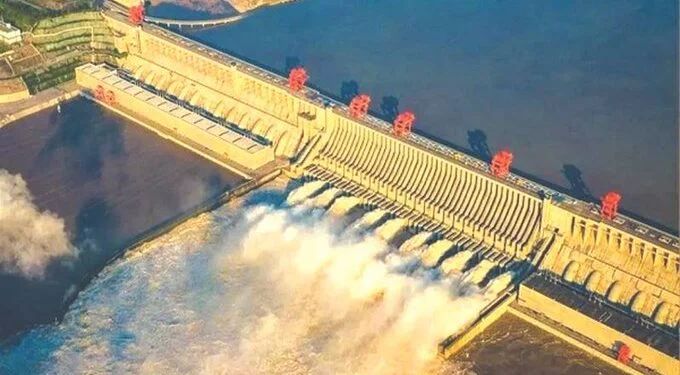
New Delhi | December 18, 2025 China is moving ahead with one of its most ambitious and controversial infrastructure projects—a massive hydropower system on the Yarlung Tsangpo river in Tibet—prompting growing concern in India over its possible environmental, social, and strategic impact. The river, after flowing through Tibet, enters India as the Brahmaputra and later continues into Bangladesh, supporting millions of people who rely on it for farming, fishing, and everyday water needs. The proposed project, estimated to cost around $168 billion, aims to harness a steep 2,000-metre drop in the river’s altitude to generate electricity. Chinese authorities have described the plan as a clean energy initiative that will support climate goals and regional development. However, experts and policymakers in India warn that large-scale changes upstream could alter the river’s natural flow in unpredictable ways. The Brahmaputra is known for its powerful currents, seasonal flooding, and rich sediment deposits that sustain agriculture and biodiversity downstream. Specialists say that dams and reservoirs in the upper reaches could affect sediment movement, fish migration, and flood cycles, all of which are essential for life in India’s northeastern states. While much of the river’s water comes from Indian rainfall and tributaries, experts caution that upstream control can still disturb its natural balance. The project is technically complex and will involve a series of dams, underground power stations, and tunnels carved through difficult Himalayan terrain. Brian Eyler, director of the Energy, Water and Sustainability Program at the Stimson Center in Washington, has described it as the most advanced hydropower system ever attempted, while also calling it extremely risky and potentially dangerous due to the region’s seismic activity and fragile ecology. China’s Foreign Ministry has rejected fears raised by neighbouring countries, stating that the project is the result of decades of research and includes strict safety and environmental measures. Officials insist it will not harm downstream regions. Despite these assurances, scepticism remains strong in India, especially given China’s past record on transboundary rivers. Beyond environmental risks, the dam carries significant geopolitical implications. Analysts point out that Chinese infrastructure development in Tibet often aligns with broader strategic goals. Rishi Gupta of the Asia Society Policy Institute has said such projects strengthen China’s control over border regions and natural resources, adding to India’s security concerns. The Yarlung Tsangpo basin is also an ecologically sensitive zone, surrounded by nature reserves and home to endangered species such as red pandas, clouded leopards, and Bengal tigers. Environmental groups warn that construction could permanently damage habitats in one of the world’s most fragile ecosystems. Human displacement is another major issue. Tens of thousands of people, including members of indigenous communities like the Monpa and Lhoba, live in areas affected by the project. Chinese officials have acknowledged that relocations will be required. Critics fear loss of livelihoods, cultural disruption, and demographic changes due to an influx of outside workers. Concerns have also been raised by leaders in India’s Arunachal Pradesh, where the Brahmaputra enters Indian territory. Chief Minister Pema Khandu earlier warned that upstream control of water could be used as a “water weapon,” with sudden releases causing floods or restrictions leading to water shortages. India has said it is closely monitoring the situation and will take necessary steps to protect national interests and the livelihoods of its citizens. Past disputes over China’s dams on the Mekong River, which downstream countries have blamed for worsening droughts, have added to these worries. As China advances its plans, India is also pushing forward with its own hydropower projects on the Brahmaputra. Experts warn that without cooperation, competing dam construction could raise risks for both countries. Many argue that dialogue and joint planning are the only way to prevent long-term damage to a river system that millions depend on across borders. China’s Mega Hydropower Project on Brahmaputra Raises Environmental and Strategic Concerns for India China is moving ahead with a massive hydropower project on the Yarlung Tsangpo river in Tibet, and the development is raising serious concerns in India. The river flows into India as the Brahmaputra and then into Bangladesh, making it a lifeline for millions who depend on it for farming, fishing, and daily water needs. Any change upstream can have wide effects downstream. The project, estimated at around $168 billion, plans to use a sharp drop in the river’s height to produce electricity. China has called it a clean energy initiative, but experts warn that such a large structure could disturb the river’s natural flow. Changes in water release may affect farming cycles, fish movement, and seasonal floods in India’s northeastern states. Environmental experts also worry about the fragile ecosystem in the region. The area is home to rare wildlife and protected forests. Large construction work could damage habitats and increase the risk of landslides or earthquakes in the Himalayan belt. There are also human concerns. Indigenous communities living near the project site may be relocated, raising fears about loss of homes, culture, and livelihoods. Critics say development should not come at the cost of people who have lived there for generations. From India’s point of view, the project has strategic importance too. Leaders have warned that control over river flow could become a pressure tool in times of tension. India has said it is closely watching the situation and will take steps to protect its people and interests. As both countries plan large projects on the same river, experts say cooperation is the only way forward. The Brahmaputra connects nations, ecosystems, and lives, and its future decisions will affect millions beyond borders.