Bangladesh Student Leader Shot in Head Amid Rising Political Violence Ahead of February 2026 Polls
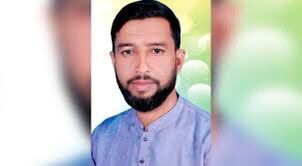
Dhaka, Bangladesh, December 22, 2025 Bangladesh witnessed another violent attack on Monday when Muhammad Motaleb Sikdar, a senior student leader of the National Citizens Party (NCP), was shot in the head in Khulna district. Sikdar, who is a central organiser and Khulna divisional convener of the NCP’s labour wing, Jatiya Sramik Shakti, was targeted by unknown assailants while at a residence in the Sonadanga area around 11:45 am. He sustained a gunshot wound to the left side of his head and is receiving treatment at Khulna Medical College Hospital. He was later taken to the City Diagnostic Centre for a CT scan. Police confirmed that an investigation into the incident is underway. The attack on Sikdar comes amid a wave of political violence in Bangladesh, intensifying as the country prepares for national elections in February 2026. Last week, violent protests erupted nationwide following the killing of Sharif Osman Hadi, a radical leader of the Inqilab Manch. Hadi, 32, who had a history of anti-India rhetoric and played a prominent role in Bangladesh’s 2024 student uprising that led to the ouster of former Premier Sheikh Hasina, was shot by masked assailants on December 12 while campaigning in Dhaka. After being critically injured, Hadi was airlifted to Singapore for treatment, where he succumbed to his injuries on December 18. Sikdar’s shooting reflects the growing insecurity surrounding student-led political organisations and rising tensions between rival factions. Sources indicate that radical elements within the NCP, which emerged from last year’s violent protests, continue to propagate provocative anti-India statements. Following Hadi’s attack, an NCP leader claimed that Dhaka would shelter forces hostile to Delhi and asserted that India’s northeastern states, often referred to as the “seven sisters,” could be separated from the country—a claim dismissed as preposterous by Indian authorities. India’s Ministry of External Affairs stated that it expects the interim government of Bangladesh to ensure law and order and create a secure environment for holding peaceful elections. Observers note that the violence targeting political and student leaders, along with reports of attacks on Hindu minorities, highlights the fragile security situation in the country. The incident also raises concerns over the safety of political activists in Bangladesh, particularly those affiliated with labour and student wings of parties involved in polarising campaigns. Sikdar had been preparing to organise a divisional labour rally in Khulna when the attack occurred, underscoring the risks faced by organisers in the current volatile environment. Authorities in Khulna have deployed additional police resources to investigate the shooting and prevent further escalation. The attack on Sikdar is being treated as part of a broader pattern of politically motivated violence, with security agencies working to identify the perpetrators. As the February elections approach, political violence in Bangladesh is expected to remain a significant concern, with activists, leaders, and citizens calling for stronger protections and more transparent mechanisms to ensure safety and the integrity of the electoral process. The attack on Sikdar highlights the urgent need for calm, law enforcement vigilance, and measures to safeguard political participants in the run-up to the Bangladesh Student Leader Shot in Head Amid Rising Political Violence Ahead of February 2026 Polls Violence continues to rise in Bangladesh as elections approach, with another high-profile attack reported on Monday. Muhammad Motaleb Sikdar, a senior student leader of the National Citizens Party (NCP) and Khulna divisional convener of its labour wing, was shot in the head by unknown gunmen in the Sonadanga area of Khulna district. He is currently receiving treatment at Khulna Medical College Hospital and was later taken for a CT scan. Police have launched an investigation into the incident. Sikdar was reportedly working to organise a divisional labour rally for the NCP when he was attacked around 11:45 am. This attack comes shortly after the killing of Sharif Osman Hadi, a radical leader of Inqilab Manch, who was shot on December 12 and later died from his injuries. Hadi had gained prominence for his anti-India rhetoric and role in Bangladesh’s 2024 student protests that led to the ouster of former Premier Sheikh Hasina. The attacks highlight the growing insecurity faced by political activists and student leaders, as radical elements within NCP continue to make provocative statements. Some NCP leaders have made claims about targeting India’s northeastern states, which India has dismissed as baseless. Authorities in Bangladesh have been urged to maintain law and order and ensure a safe environment for citizens and political leaders, especially with national elections scheduled for February 2026. The violence, including attacks on minorities, has raised concerns about the country’s political stability and the safety of those participating in the electoral process. Sikdar’s shooting serves as a stark reminder of the challenges political activists face in Bangladesh and underscores the need for vigilance, protective measures, and accountability to prevent further escalation.