Ashwagandha Gains Global Attention After WHO Summit: How to Use the Herb Safely to Reduce Stress and Anxiety
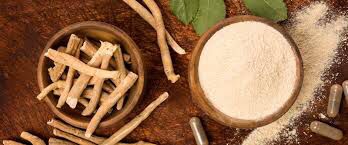
New Delhi, December 19: As stress and anxiety continue to affect millions in today’s fast-moving lifestyle, attention is once again turning to traditional remedies backed by modern science. Ashwagandha, a well-known Ayurvedic herb, has come into global focus after being highlighted at the World Health Organization’s 2025 Global Summit on Traditional Medicine. The renewed attention signals a shift in how traditional herbs are being studied, accepted, and used within evidence-based healthcare systems. Ashwagandha, also known as Withania somnifera, has long been used in Ayurveda to improve mental balance, boost energy, and calm the mind. Often referred to as an adaptogen, the herb helps the body cope with stress by supporting balance in physical and mental processes. With rising cases of burnout, sleep problems, and anxiety, many people are now exploring how to consume ashwagandha powder safely and effectively. The calming effect of ashwagandha is largely linked to its impact on cortisol, the body’s main stress hormone. When stress becomes constant, cortisol levels stay high, leading to fatigue, poor sleep, irritability, and trouble focusing. Scientific studies have shown that regular use of ashwagandha can help lower cortisol levels over time. Research published in the Indian Journal of Psychological Medicine found that people who used ashwagandha consistently for around 60 days experienced better stress control and improved mental well-being. The herb contains natural compounds called withanolides, which are known for their anti-inflammatory and stress-reducing effects. Ashwagandha also supports GABA activity in the brain, a chemical that helps calm nerve signals and promotes relaxation. This explains why the herb is often recommended for anxiety and sleep-related concerns. Ashwagandha is available in several forms, including capsules and liquids, but traditional powder, also known as ashwagandha churna, remains a popular choice. One of the most common ways to consume it is by mixing it with warm milk, especially for those dealing with stress-related sleep issues. A small amount of powder stirred into warm milk before bedtime may help improve sleep quality and relaxation. Some people add mild spices like nutmeg or cinnamon to enhance its soothing effect. Another traditional method involves mixing ashwagandha powder with a small amount of ghee and honey. In Ayurveda, ghee is believed to help carry the herb deeper into body tissues, improving absorption. For those who dislike the strong smell or taste of the powder, adding it to smoothies, oatmeal, or breakfast bowls has become a modern and convenient option. Dosage plays a key role in its effectiveness. For general stress, smaller amounts taken daily may be enough, while anxiety or sleep support may require slightly higher doses under guidance. Experts stress that consistency matters more than quick results, as the herb works gradually over weeks. Despite its benefits, ashwagandha is not suitable for everyone. Pregnant women are advised to avoid it, as it may affect hormonal balance. People with thyroid conditions or autoimmune disorders should consult a doctor before using it, as the herb can influence hormone levels and immune activity. Choosing the right product is equally important. Experts recommend using powder made from the root, as most clinical studies focus on root-based formulations rather than leaves. As global health bodies take a closer look at traditional medicine, ashwagandha stands out as a bridge between ancient knowledge and modern science. When used carefully and consistently, it may offer a natural way to manage stress and support overall mental Ashwagandha Gains Global Attention After WHO Summit: How to Use the Herb Safely to Reduce Stress and Anxiety Stress and anxiety have quietly become part of everyday life, especially in today’s fast-paced routines. With long work hours, constant screen time, and little rest, many people are now looking for natural ways to calm the mind. Ashwagandha, a well-known Ayurvedic herb, is back in the spotlight after being highlighted at the WHO Global Summit on Traditional Medicine 2025, bringing global attention to its science-backed benefits. Ashwagandha, also called Withania somnifera, has been used in India for centuries to support mental balance and strength. Modern research now supports what Ayurveda has long believed. The herb works by helping regulate cortisol, the body’s main stress hormone. When cortisol stays high for too long, it can lead to anxiety, poor sleep, fatigue, and lack of focus. Studies show that consistent use of ashwagandha over several weeks can help lower stress levels and improve overall well-being. Ashwagandha powder remains one of the most effective and traditional ways to consume the herb. For people struggling with stress-related sleep issues, mixing a small amount of the powder with warm milk before bedtime is commonly recommended. Milk naturally supports relaxation, and together they may help improve sleep quality. Some also mix the powder with ghee and honey, which Ayurveda believes helps better absorption. For those with busy mornings, adding it to smoothies or oatmeal is an easy and modern option. Consistency matters more than instant results. Ashwagandha works gradually, and benefits are usually noticed after regular use for a few weeks. However, it’s not suitable for everyone. Pregnant women and people with thyroid or autoimmune conditions should consult a doctor before using it. As traditional medicine gains global recognition, ashwagandha stands out as a natural option to support calm, balance, and mental wellness when used mindfully.