
Berberine Emerges as Natural Support for Diabetes Control, Doctor Explains How It Helps Regulate Blood Sugar
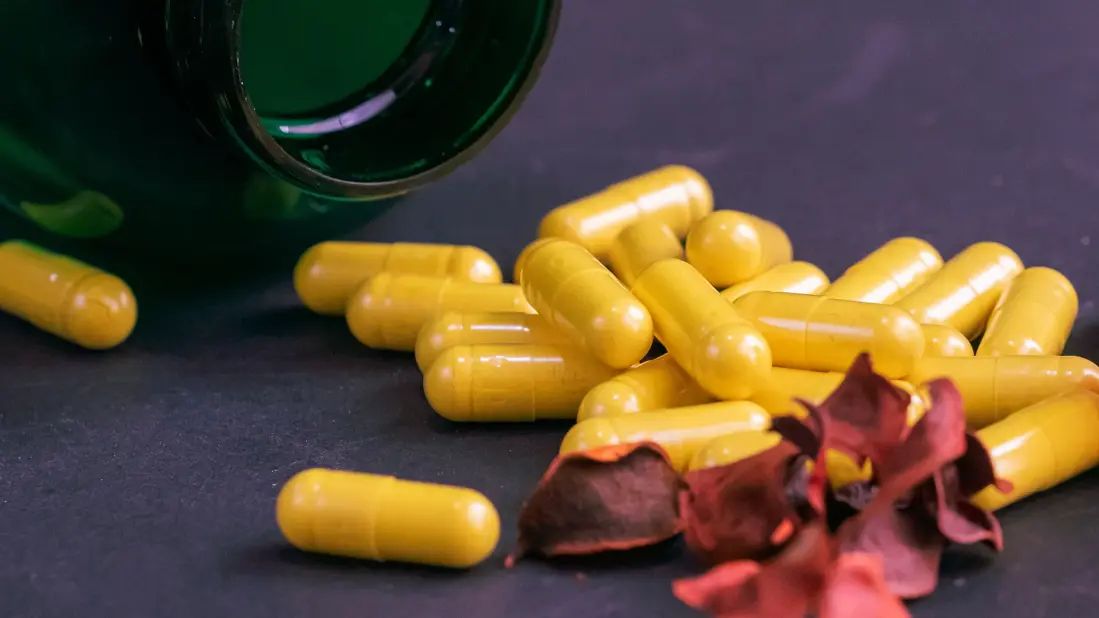
New Delhi, December 20: Berberine, a natural compound found in several plants, is gaining attention as a supportive option for managing blood sugar levels, especially among people living with diabetes. While it is often discussed in wellness circles as a “natural” alternative, doctors stress that berberine is not a miracle cure. Instead, it is a scientifically supported supplement that can help improve metabolic health when used carefully and under medical guidance. Health experts say berberine works best as part of an overall diabetes management plan that includes a balanced diet, regular physical activity and prescribed medications when required. According to Dr Vineet Malhotra, Director and Founder of VNA Hospital, berberine can be a useful addition to diabetes care if taken responsibly. He explains that its strength lies in how it targets multiple processes linked to blood sugar control. One of the key ways berberine helps is by improving insulin sensitivity. Insulin is the hormone that allows sugar from the blood to enter cells for energy. In people with diabetes, this process often does not work efficiently. Berberine helps cells respond better to insulin, allowing glucose to move into muscles and tissues more easily. This reduces sudden blood sugar spikes, especially after meals. Another important role of berberine is its effect on the liver. The liver produces glucose to maintain energy levels, but in diabetes, it may release too much sugar into the bloodstream. Berberine helps slow down this excess glucose production, which supports more stable blood sugar levels throughout the day. Berberine also affects how carbohydrates are absorbed in the gut. It slows the breakdown of carbs into sugar, preventing sharp rises in blood glucose after eating. This gradual release of sugar helps people avoid sudden highs and lows, which are common concerns in diabetes management. A major reason berberine has drawn medical interest is its ability to activate an enzyme called AMPK, often referred to as the body’s “metabolic switch.” AMPK plays a vital role in regulating energy use in cells. When activated, it increases glucose uptake by muscles and improves how the body uses sugar and fat. This process supports better overall metabolic balance. Some studies also suggest that berberine may increase levels of GLP-1, a gut hormone that helps the pancreas release insulin when needed. GLP-1 also slows digestion and supports better appetite control, both of which can help maintain steady blood sugar levels throughout the day. Concerns are sometimes raised about the safety of berberine, particularly its effects on kidney health and male sexual wellbeing. Doctors note that when used correctly, berberine is not harmful to the kidneys. In fact, research suggests it may help protect kidney function by reducing inflammation, lowering oxidative stress and decreasing protein leakage in urine. However, people with existing kidney disease should consult a doctor before using berberine, as dosage and drug interactions must be carefully monitored. Better blood sugar control through berberine may also indirectly support male sexual health. Healthy glucose levels improve blood vessel function, which is essential for circulation and erectile health. Improved insulin sensitivity and reduced inflammation can also help maintain hormone balance and energy levels, contributing to overall wellbeing. Doctors emphasize that berberine should never replace prescribed diabetes medications without professional advice. It is best used as a complementary option under medical supervision. When combined with a healthy lifestyle, berberine can offer meaningful support in managing blood sugar levels naturally. As interest in plant-based supplements grows, experts continue to stress the importance of informed use. Berberine shows promise, but like all health tools, it works best when guided by science, moderation and medical advice. Berberine Emerges as Natural Support for Diabetes Control, Doctor Explains How It Helps Regulate Blood Sugar Struggling with frequent blood sugar spikes? Berberine, a natural compound found in certain plants, is gaining attention as a supportive option for people managing diabetes. Doctors say it is not a magic cure, but when used correctly and under medical guidance, it can help improve blood sugar control and overall metabolic health. According to health experts, berberine works best when combined with a healthy diet, regular exercise and prescribed treatment. Often called a “natural insulin sensitiser,” berberine helps the body use insulin more effectively. This allows sugar to move from the bloodstream into cells, reducing sharp rises in blood glucose levels, especially after meals. Berberine also supports blood sugar balance by reducing excess glucose production in the liver. In people with diabetes, the liver can release too much sugar into the blood. Berberine helps slow this process, keeping levels more stable throughout the day. Another benefit is its ability to slow the digestion and absorption of carbohydrates, which helps prevent sudden sugar spikes after eating. One of the key ways berberine works is by activating an enzyme called AMPK, often described as the body’s “metabolic switch.” This enzyme improves how muscles and tissues absorb glucose and helps the body manage energy better. Some studies also suggest berberine may boost GLP-1, a gut hormone that supports insulin release and glucose balance. Many people worry about kidney health or male sexual wellbeing. Doctors say berberine, when used properly, may actually protect kidney function by reducing inflammation and oxidative stress. Better blood sugar control can also support healthy blood vessels, balanced hormones and overall energy, indirectly benefiting male sexual health. Experts advise using berberine only under medical supervision, especially for those with existing health conditions. Used wisely, it can be a helpful, natural addition to diabetes care.