Supreme Court Fines 10 Rajasthan Dental Colleges ₹10 Crore Each for Violating BDS Admission Norms
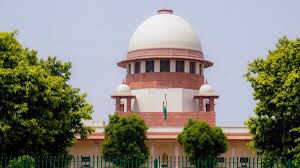
Jaipur, December 20: In a strong message against irregularities in professional education, the Supreme Court has imposed a penalty of ₹10 crore each on 10 private dental colleges in Rajasthan for serious violations in the admission process for Bachelor of Dental Surgery (BDS) courses. The apex court observed that the colleges had committed blatant illegality by admitting students in violation of prescribed rules, thereby undermining the standards of medical education. The ruling was delivered by a bench comprising Justices Vijay Bishnoi and J K Maheshwari. The court also pulled up the Rajasthan government for its role in the matter and directed it to deposit ₹10 lakh with the Rajasthan State Legal Services Authority (RSLSA) for failing to follow due legal procedure during the BDS admissions for the 2016–17 academic session. The case relates to admissions carried out after the state government reduced the minimum qualifying percentile in the NEET examination without proper authorisation. As per rules laid down by the Dental Council of India (DCI), a minimum percentile is mandatory for admission to BDS courses. However, the state government reduced the NEET cutoff by 10 per cent and then further by an additional 5 per cent, allowing students who did not meet eligibility criteria to secure admission. The court noted that even beyond this unauthorised relaxation, the concerned dental colleges admitted another group of students who were not eligible under any permissible norm. This, the bench said, amounted to a clear and willful violation of the 2007 admission regulations. In its judgment dated December 18, the Supreme Court expressed serious concern over the manner in which rules were ignored. The bench remarked that it was compelled to record its displeasure as the actions of both the colleges and the state government had diluted the quality and credibility of medical education. Despite the strong criticism, the court granted relief to students who were admitted after the NEET percentile was relaxed for the 2016–17 session. Invoking its special powers to ensure complete justice, the apex court regularised their BDS degrees, noting that students should not be made to suffer for faults committed by authorities and institutions. Rishabh Sancheti, counsel representing 59 students in the lead petition, said the court also imposed a condition on students who received relief. These students have been directed to file affidavits before the Rajasthan High Court, committing to provide pro bono services to the state government whenever required. This may include service during natural disasters, disease outbreaks or other public emergencies. The Supreme Court also criticised the Rajasthan government for its unauthorised decision to reduce NEET cutoffs and for failing to promptly convey decisions taken by the central government and the Dental Council of India. The bench said such lapses contributed to confusion and illegal admissions. The fines imposed on the dental colleges are to be deposited with the Rajasthan State Legal Services Authority within eight weeks. The court directed that the collected amount should be used for social welfare purposes across the state. These include support for One Stop Centres for women, Nari Niketans, old age homes and child care institutions. Legal experts said the ruling sends a clear warning to educational institutions against bypassing admission norms for financial or other gains. The court made it clear that such practices will attract strict punishment in order to protect students, maintain academic standards and uphold the integrity of professional education. The judgment is expected to have a wider impact on how medical and dental admissions are handled across the country. By imposing heavy fines and holding both colleges and the state government accountable, the Supreme Court has reinforced the importance of transparency, legality and fairness in the admission process. Supreme Court Fines 10 Rajasthan Dental Colleges ₹10 Crore Each for Violating BDS Admission Norms In a strong step to protect the standards of medical education, the Supreme Court has imposed a fine of ₹10 crore each on 10 private dental colleges in Rajasthan for serious irregularities in BDS admissions. The court said the colleges had openly violated admission rules and allowed ineligible students to secure seats, calling the actions a clear case of willful and blatant illegality. The verdict was delivered by a bench of Justices Vijay Bishnoi and J K Maheshwari. The case relates to admissions made during the 2016–17 academic session, when the Rajasthan government reduced the minimum NEET percentile without proper approval. The cutoff was first lowered by 10 per cent and then by another 5 per cent, allowing students who did not meet the required eligibility to be admitted. The court observed that the dental colleges went a step further and admitted students even beyond this unauthorised relaxation, violating the 2007 admission regulations set by the Dental Council of India. The state government was also criticised for failing to follow legal procedures and for not communicating central government and DCI decisions on time. As a result, the court directed the state to deposit ₹10 lakh with the Rajasthan State Legal Services Authority. While coming down heavily on the institutions and the state, the Supreme Court granted relief to affected students. Using its special powers, the court regularised the BDS degrees of students admitted after the cutoff relaxation, stating that students should not suffer for mistakes made by authorities. However, the relief came with a condition. Students who benefited must file affidavits before the Rajasthan High Court, promising to offer pro bono services to the state during emergencies such as natural disasters or disease outbreaks. The fines collected from the colleges must be deposited within eight weeks and will be used for social welfare, including support for women’s centres, old age homes and child care institutions. The ruling sends a clear message that admission rules cannot be ignored and education standards must be protected.