Why Some Celebrity Brands in India Thrive While Others Fade: Lessons from the Market
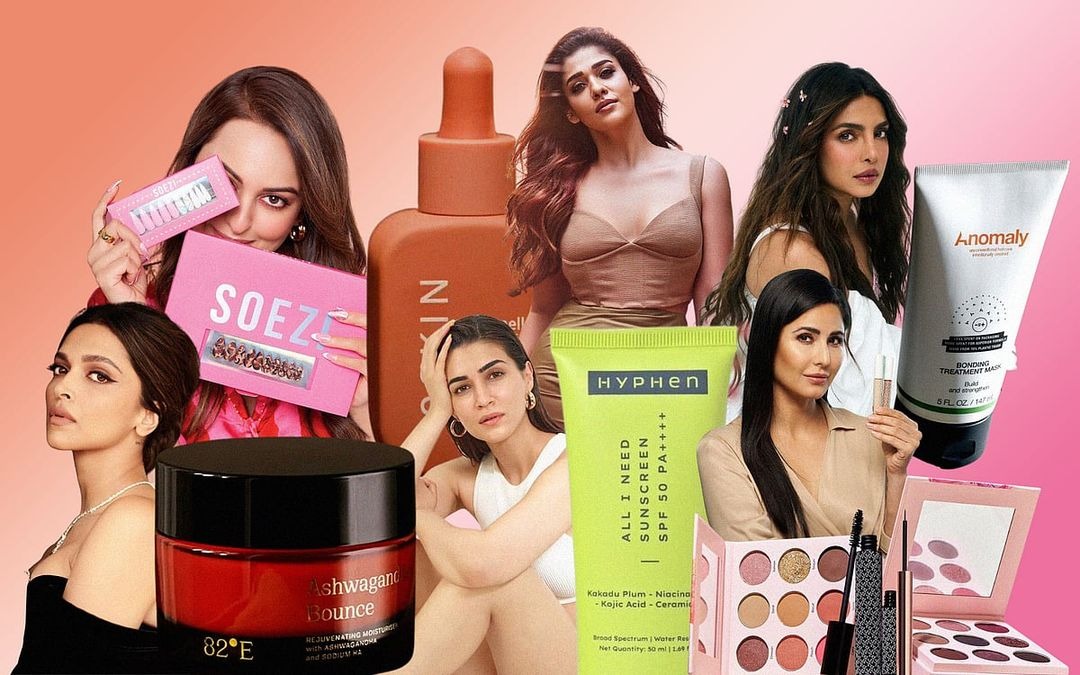
New Delhi | December 24, 2025 Celebrity brands in India have come a long way from being simple endorsements to becoming full-fledged business ventures. While some ventures manage to grow steadily and earn consumer trust, others struggle to move beyond initial buzz, highlighting a growing divide in the market. Experts point out that fame alone is not enough to sustain a brand; relevance, quality, and consumer connection are crucial. Globally, celebrity-founded brands have set benchmarks. Rihanna’s Fenty Beauty, launched in 2017, succeeded by addressing a major gap—providing inclusive foundation shades that were previously ignored. This approach not only generated strong revenues but also reshaped industry standards. Similarly, Hailey Bieber’s Rhode brand leveraged digital-first strategies, minimalist design, and founder visibility to scale rapidly, eventually attracting acquisition interest from e.l.f. Beauty for $1 billion. These examples show that celebrity recognition draws attention, but enduring success depends on meeting real consumer needs. In India, celebrity brands initially mirrored global trends, with actors and athletes entering beauty, fashion, and fitness categories. However, a new wave of creator-led brands is emerging, where engagement with the audience drives product development and growth. Kusha Kapila’s Underneat, focused on shapewear, emphasized body confidence and transparent conversations with consumers. This approach helped the brand achieve annual revenue of around Rs 150 crore within eight months and raise $6 million in funding. Similarly, Parul Gulati’s Nish Hair, specializing in hair extensions and human-hair products, built credibility through personal storytelling, educational content, and consistent audience engagement, expanding into flagship stores and international markets. Experts note that success depends on fundamentals. Singer-entrepreneur Jashan Bhumkar points out that product quality, supply chain management, and financial discipline ultimately decide a brand’s future, while celebrity association provides initial credibility. Hrithik Roshan’s HRX and Katrina Kaif’s Kay Beauty are prime examples, leveraging clear focus, strategic partnerships, and consistent branding to build loyal consumer bases. Conversely, some celebrity ventures struggle. Virat Kohli’s fashion label Wrogn saw revenues fall by nearly 30% in FY24, while Deepika Padukone’s skincare brand 82°E continues to post losses despite modest growth. Ranbir Kapoor’s ARKS has visibility but limited evidence of breakout revenue, showing that buzz without repeat purchase and trust is insufficient. Authenticity emerges as a key factor. Dr. Rajeshwari Krishnamurthy explains that consumers initially trust a celebrity due to admiration, but this halo effect is short-lived. Brands succeed when the celebrity genuinely aligns with the product’s purpose and lifestyle, rather than merely endorsing it. Ranveer Singh’s SuperYou, for example, resonates with his public persona and appears to prioritize consumption experience over mere association. The overarching lesson is clear: celebrity fame opens doors, but lasting brands are built on substance, not just stardom. Quality, consistency, and real consumer relevance determine which ventures thrive. In India’s evolving celebrity brand ecosystem, the winners are likely to be those who focus on value, trust, and long-term engagement rather than short-lived headlines and hype. Brands that endure eventually outgrow the fame of their founders and stand on solid business fundamentals, proving that execution matters more than endorsement. [24/12, 09:47] Jefry Jenifer: Why Some Celebrity Brands in India Thrive While Others Fade: Lessons from the Market Celebrity brands in India have moved far beyond simple endorsements. While some grow steadily and earn consumer trust, others struggle to survive beyond the initial buzz. Fame can draw attention, but it’s relevance, quality, and consumer connection that decide whether a brand thrives. Globally, Rihanna’s Fenty Beauty set the benchmark by offering inclusive foundation shades, filling a gap in the market and generating strong revenues. Hailey Bieber’s Rhode brand also succeeded with a digital-first approach, minimalist skincare, and visible founder involvement. These examples show that celebrity names can open doors, but long-term growth relies on solving real consumer problems. In India, celebrity brands initially mirrored global trends in beauty, fashion, and fitness. Now, creators and influencers are leading successful ventures. Kusha Kapila’s Underneat, a shapewear brand, focused on body confidence and open conversations with customers, earning around Rs 150 crore in annual revenue within eight months. Parul Gulati’s Nish Hair grew by connecting personally with consumers through storytelling and education, expanding to flagship studios and even international markets. Successful brands combine star power with strong fundamentals. Singer-entrepreneur Jashan Bhumkar explains that product quality, supply chain discipline, and financial management matter more than just a celebrity’s name. Hrithik Roshan’s HRX and Katrina Kaif’s Kay Beauty show how clear focus, partnerships, and consistent branding can build loyal customer bases. Conversely, some celebrity ventures struggle. Virat Kohli’s Wrogn and Deepika Padukone’s 82°E have faced revenue drops or losses, while Ranbir Kapoor’s ARKS has visibility but limited growth. Experts stress authenticity: a brand succeeds when the celebrity genuinely uses or believes in the product, not just endorses it. The key lesson: celebrity fame can start a brand, but lasting success depends on quality, consistency, relevance, and trust. The winners in India’s celebrity brand space are those who focus on real value and long-term engagement, not just hype or publicity.