Kohinoor Diamond’s Turbulent Journey: A History of Power, Bloodshed and a Curse Linked to Its Male Owners
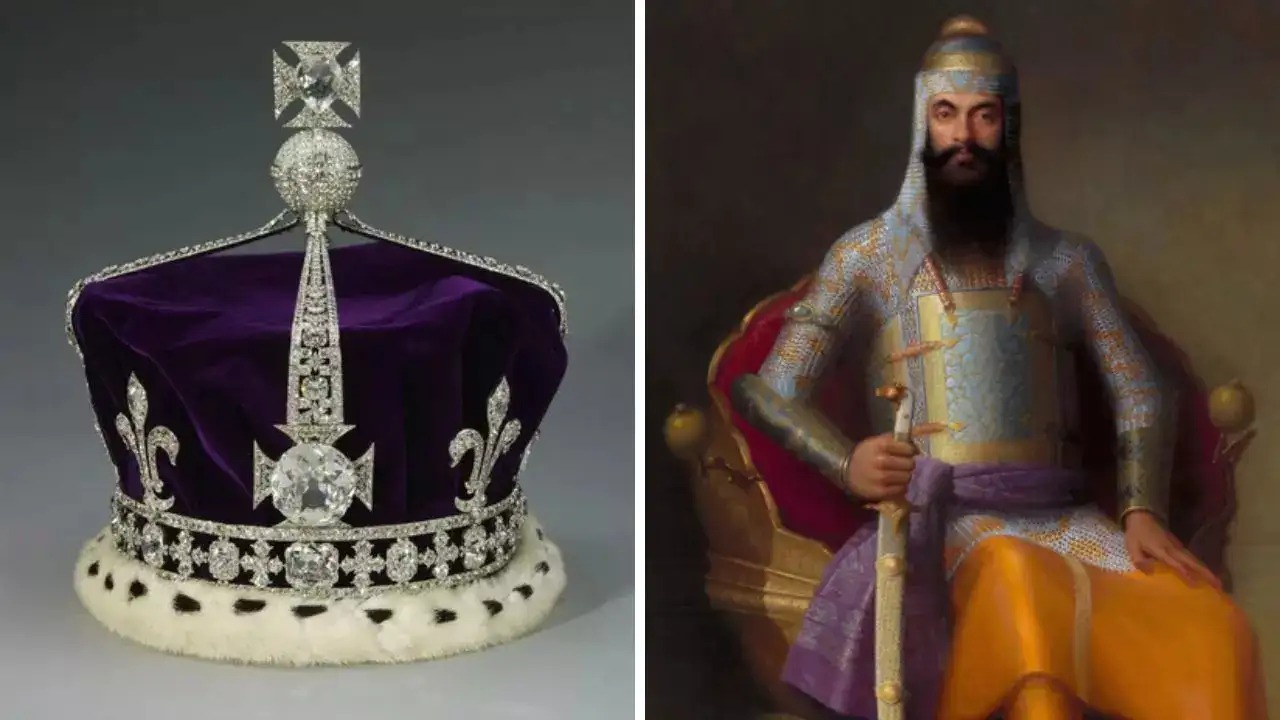
New Delhi | December 26 The Kohinoor diamond, one of the most famous and valuable gems in the world, continues to fascinate people not only for its brilliance but also for the dark history that follows it. Today, the diamond forms a part of the British Crown Jewels and is displayed at the Jewel House in the Tower of London. However, its long journey through centuries is marked by conflict, betrayal, and tragedy, especially for the men who possessed it. Weighing around 105.6 carats, the Kohinoor, which means “Mountain of Light” in Persian, is known for its exceptional clarity, rare colour, and massive size. While admired for its beauty, the diamond has also earned a reputation for being cursed. According to popular belief and historical accounts, male rulers who owned the Kohinoor often met violent or tragic ends, leading to the belief that the gem brings misfortune to men. The origins of the Kohinoor trace back to India. As per records from the Odisha State Archives, the diamond was discovered in the Kollur mines of the Golconda region, now part of Telangana, during the 13th century under the Kakatiya dynasty. From there, it passed through the hands of several powerful rulers across South Asia and beyond. Over centuries, the Kohinoor changed owners among Hindu, Afghan, Persian, Mongol, and Sikh rulers. Many of these transitions were marked by war, betrayal, and bloodshed. Historical records show striking similarities in the lives of its male owners, including violence, imprisonment, murder, and loss of power. One of the earliest recorded links to tragedy involves Alauddin Khilji, who seized the Delhi Sultanate after killing his uncle, Sultan Jalal-ud-Din, in the late 13th century. During his military campaigns in southern India, the Kohinoor reportedly came into his possession. During the Mughal era, the diamond adorned Emperor Shah Jahan’s famous Peacock Throne. Despite his grand reign, Shah Jahan was later overthrown by his son Aurangzeb and spent his final years imprisoned in Agra Fort, witnessing the Taj Mahal from afar. In 1739, Persian ruler Nadir Shah invaded India and acquired the Kohinoor after a clever exchange of turbans with Mughal Emperor Muhammad Shah. That invasion led to a brutal massacre in Delhi, where thousands were reportedly killed in a single day. Nadir Shah himself was assassinated in 1747, and the diamond passed to his descendants, who also met violent ends. The Kohinoor later reached Afghanistan, where Shah Shuja Durrani possessed it before losing power and being forced to surrender the diamond to Sikh ruler Maharaja Ranjit Singh in exchange for protection. After Ranjit Singh’s death in 1839, tragedy followed his successors. His son Kharak Singh reportedly died after being poisoned, and his grandson Nau Nihal Singh died under mysterious circumstances. The diamond eventually came into the possession of Maharaja Duleep Singh, the last ruler of the Sikh Empire. He was only 10 years old when the British annexed his kingdom in 1849. Under the Treaty of Lahore, the Kohinoor was handed over to Queen Victoria. By this time, even the British were aware of the diamond’s dark reputation. As a result, the Kohinoor was never worn by male members of the royal family. Instead, it was worn only by queens, including Queen Victoria, Queen Alexandra, Queen Elizabeth (the Queen Mother), and Queen Elizabeth II. Today, while demands for the return of the Kohinoor to India continue to surface, the diamond remains on display in London. Its story stands as a powerful reminder of how a symbol of beauty and wealth became deeply tied to ambition, conquest, and human suffering across centuries. Kohinoor Diamond’s Turbulent Journey: A History of Power, Bloodshed and a Curse Linked to Its Male Owners The Kohinoor diamond, one of the world’s most famous and valuable gems, is admired for its beauty but feared for its past. Today, it is part of the British Crown Jewels and is displayed at the Tower of London. Yet behind its shine lies a long history filled with violence, betrayal, and tragedy, especially for the men who owned it. Weighing around 105.6 carats, the Kohinoor, meaning “Mountain of Light,” is known for its rare clarity and size. Over the centuries, it passed through the hands of Hindu, Afghan, Persian, Mughal, and Sikh rulers. Many of these rulers faced similar fates — loss of power, imprisonment, betrayal, or death — which led to the belief that the diamond carries a curse for male owners. The gem is believed to have been discovered in the Kollur mines of the Golconda region during the 13th century. It later reached Delhi Sultan Alauddin Khilji, whose rise to power involved bloodshed. During the Mughal era, the Kohinoor adorned Shah Jahan’s Peacock Throne, but his reign ended with imprisonment by his son Aurangzeb. In 1739, Persian ruler Nadir Shah took the diamond after invading India. His rule ended in assassination, and those who inherited the gem after him also met violent deaths. The Kohinoor later reached Sikh ruler Maharaja Ranjit Singh, but after his death, tragedy struck his successors, including poisoning and mysterious accidents. The diamond finally came into British possession in 1849, when Maharaja Duleep Singh was forced to hand it over to Queen Victoria. Aware of its dark reputation, British royal men never wore it. Instead, it was worn only by queens. Today, while calls for its return to India continue, the Kohinoor remains a symbol of beauty shaped by centuries of ambition, conquest, and suffering.