From Builders of Silicon Valley to Targets of Suspicion: Why Indian Tech Workers Are Facing Growing Hostility in the US
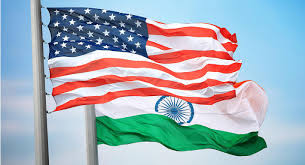
New Delhi | December 29, 2025 Indian technology professionals in the United States, once celebrated as key contributors to innovation and growth, are increasingly facing suspicion, hostility, and political backlash. Much like the fear-driven paranoia Americans once held toward communists during the Cold War, a new wave of anxiety has emerged—this time directed at Indian techies, particularly those working in Silicon Valley on H-1B visas. For decades, America has gone through cycles of prejudice. Different groups have taken turns being blamed during times of social or economic stress. African Americans, LGBTQ+ communities, Hispanics, Asians, and now Indian professionals have all faced moments of being treated as “outsiders.” Today, Indian tech workers find themselves at the center of this shift, despite having played a major role in building the modern US tech industry. The irony is hard to miss. Indian engineers and coders are far from fitting the stereotype of past American “enemies.” They are driven by ambition, deeply invested in the American Dream, and often work long hours in high-pressure jobs. Many hold senior roles in major companies, lead teams, and contribute directly to innovation. Yet, they are now being portrayed by sections of the American right as job stealers and symbols of unchecked immigration. This hostility has intensified under the Trump administration, which has taken a hard stance to appeal to its MAGA support base. The H-1B visa programme, which allows skilled foreign workers to work in the US, has come under strict scrutiny. Proposed measures include sharply increased visa fees, tighter social media checks, and policy changes that favour higher-paid roles. For many Indian professionals, this has created a sense of uncertainty about their future. The fear that Indian techies are “taking jobs from Americans” has grown alongside broader anti-immigrant sentiment. Despite strong economic growth in the US—4.3% in the third quarter of 2025—unemployment has risen to 4.6%, creating anxiety around jobs. In such moments, immigrants often become easy targets. Racism has also become more open. During Christmas, a right-wing American journalist publicly warned of possible attacks on Indians and Hindu temples, calling for deportations. Online spaces have seen a sharp rise in anti-Indian content. A recent study found that nearly 70% of high-engagement hate posts between July and September 2025 framed Indians as invaders or job thieves. For Indian tech workers on the ground, the impact is personal. Many say their future in the US now depends more on political decisions than their skills or performance. Even those who have followed every rule feel they must constantly justify their presence. While daily life may not have changed drastically yet, there is a constant low-level anxiety—especially online—about how quickly public mood or policy can turn. Activists within the Indian American community warn that this hostility goes beyond visa holders. Second-generation Indian Americans, US citizens by birth, and even prominent figures like FBI chief Kash Patel and politician Nikki Haley have been told to “go back home.” This signals a deeper issue where ethnicity, not contribution or citizenship, defines belonging. The psychological toll is growing. Professional success is no longer guaranteeing social acceptance. Many Indian techies are quietly reconsidering long-term plans—whether to raise families in the US or stay at all. Ironically, experts warn that restricting Indian talent may hurt American companies, pushing more tech jobs to be outsourced back to India due to skill shortages. America once feared communists as a threat to its freedom. That chapter has largely closed. Today, the new anxiety seems focused on young engineers armed not with ideology, but laptops, coffee, and lines of code. The question now is whether policy and public opinion will recognise their role as contributors—or continue to treat them as convenient scapegoats. From Builders of Silicon Valley to Targets of Suspicion: Why Indian Tech Workers Are Facing Growing Hostility in the US Indian tech professionals in the US, especially in Silicon Valley, are facing a wave of suspicion and hostility, echoing the Cold War paranoia once aimed at communists. Despite being key contributors to America’s tech growth, Indian engineers and coders are increasingly portrayed as outsiders taking jobs from Americans, particularly under the Trump administration. The H-1B visa programme, which brought thousands of skilled Indian professionals to the US, is under unprecedented scrutiny. Higher fees, stricter social media checks, and policy changes favouring higher-paid roles have created uncertainty about the future for many tech workers. Even those in senior positions worry that their careers now depend more on shifting policies than their skills or contributions. This hostility goes beyond visas. Anti-Indian sentiment has been growing online and in political discourse. Right-wing voices have openly targeted Indians and Indian Americans, calling for deportations and even threatening attacks on Hindu temples. Second-generation Indian Americans, US-born citizens, and prominent figures like FBI chief Kash Patel and politician-diplomat Nikki Haley have also been targeted, highlighting that ethnicity, not contribution, is the focus of this backlash. Economists point out that rising anxiety about jobs stems from a combination of a cooling labor market and high unemployment, even as the US economy continues to grow. Activists say hostility intensifies whenever immigrants assert themselves politically or socially, showing that Indian Americans’ rising influence has triggered resentment. The psychological toll on tech workers is significant. Many feel they must constantly justify their presence despite contributing meaningfully. Professional success no longer guarantees social acceptance, and some are reconsidering whether to stay in the US long-term. Ironically, restricting Indian talent could push more tech jobs back to India, where skilled engineers are available. Indian techies, once celebrated as builders of Silicon Valley, now face suspicion and hostility—a stark reminder that perception often outweighs contribution in shaping public sentiment.