Bangladesh Loses Former Prime Minister Khaleda Zia, BNP Leader Dies at 80 After Prolonged Illness
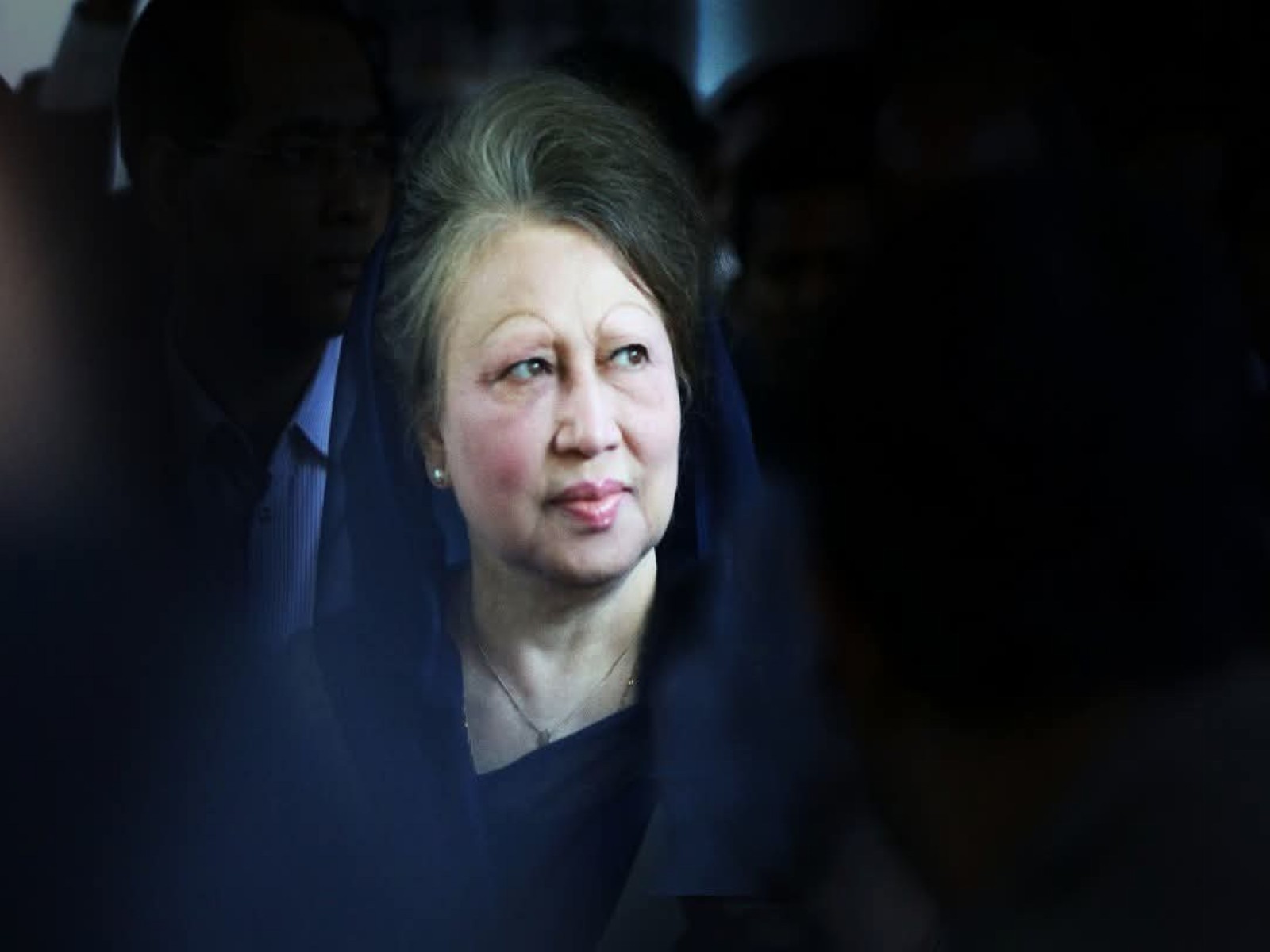
Dhaka, Dec 30 Bangladesh’s former Prime Minister and Bangladesh Nationalist Party (BNP) chairperson Begum Khaleda Zia passed away early Tuesday morning at the age of 80, bringing an end to a long political journey that shaped the country’s modern history. Her party confirmed that she died at around 6 am at Evercare Hospital in Dhaka, where she had been receiving treatment for over a month. In an official statement, the BNP said Khaleda Zia breathed her last shortly after the Fajr, or dawn, prayers. Party leaders and supporters across the country expressed deep sorrow over her death, describing it as a major loss for Bangladesh’s political landscape. The BNP urged citizens to pray for the forgiveness of her soul and remember her contributions to the nation. Khaleda Zia had been admitted to the private hospital on November 23 after her health worsened due to serious complications related to her heart and lungs. Reports from local media indicated that she was also battling pneumonia during her final weeks. Doctors had described her condition as fragile, and she remained under constant medical observation for 36 days. Over the years, the former prime minister had struggled with multiple chronic health issues. These included liver cirrhosis, diabetes, arthritis, and long-standing problems affecting her kidneys, lungs, heart, and eyesight. Due to the complexity of her condition, her treatment was managed by a team of specialists from Bangladesh, along with doctors from the United Kingdom, the United States, China, and Australia. Earlier this month, there were discussions about transferring Khaleda Zia abroad for advanced medical care. However, those plans were later dropped after doctors advised that she was too weak to handle international travel. Her condition continued to decline despite intensive care, leading to her passing on Tuesday morning. Khaleda Zia was a towering figure in Bangladeshi politics and made history as the country’s first woman prime minister. She served two terms in office and played a central role in shaping national politics for decades. As the widow of former President Ziaur Rahman, she remained closely associated with the legacy of her late husband, who was a key figure in Bangladesh’s political and military history. Despite facing years of legal challenges and health struggles, Khaleda Zia remained an influential leader within the BNP. Many of her supporters believed that she could still play an important role in the party’s future and in upcoming elections, even as her public appearances became rare due to illness. She is survived by her elder son, Tarique Rahman, who currently serves as the acting chairman of the BNP. Tarique Rahman returned to Bangladesh on December 25 after spending 17 years in exile. Khaleda Zia is also survived by her daughter-in-law Zubaida Rahman and granddaughter Zaima Rahman. Her younger son, Arafat Rahman Koko, passed away several years ago in Malaysia, a loss that deeply affected her. Following the news of her death, tributes poured in from BNP leaders, political allies, and supporters across the country. Many described her as a determined leader who remained committed to her party and principles despite personal and political hardships. Khaleda Zia’s death marks the end of an era in Bangladesh’s often turbulent political history. As the nation mourns her passing, her legacy as a former prime minister, party leader, and one of the most prominent women in South Asian politics is expected to be remembered for years to come. Bangladesh Loses Former Prime Minister Khaleda Zia, BNP Leader Dies at 80 After Prolonged Illness Bangladesh is mourning the loss of former Prime Minister and Bangladesh Nationalist Party (BNP) chairperson Begum Khaleda Zia, who passed away early Tuesday morning at the age of 80. The BNP confirmed that she died around 6 am at Evercare Hospital in Dhaka, where she had been undergoing treatment for more than a month after a long battle with illness. According to the party, Khaleda Zia passed away shortly after the Fajr prayers. News of her death triggered an outpouring of grief from party leaders, supporters, and citizens across the country, many of whom remembered her as one of the most influential political figures in Bangladesh’s history. She was admitted to the hospital on November 23 after developing serious complications related to her heart and lungs. During her final weeks, she was also suffering from pneumonia, and doctors described her condition as fragile. She remained under close medical observation for 36 days, with a team of specialists closely monitoring her health. Over the years, Khaleda Zia struggled with several chronic health issues, including liver cirrhosis, diabetes, arthritis, and long-term problems involving her kidneys, lungs, heart, and eyesight. Her treatment was supervised by doctors from Bangladesh as well as medical experts from the UK, US, China, and Australia. Although there were discussions about taking her abroad for advanced treatment, doctors advised against it due to her weak condition. Khaleda Zia made history as Bangladesh’s first woman prime minister and served two terms in office. The widow of former President Ziaur Rahman, she remained a powerful political force despite years of legal and health challenges. She is survived by her elder son and BNP acting chairman Tarique Rahman, who recently returned to Bangladesh after years in exile, along with her family. Her passing marks the end of an era in Bangladesh politics.