Indian-Origin Zohran Mamdani Sworn In as New York City’s First Muslim Mayor
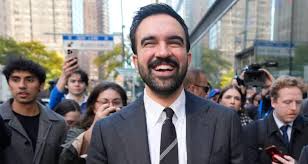
New York | January 1, 2026 Zohran Mamdani, a 34-year-old Democrat of Indian origin, has officially taken office as the mayor of New York City, making history as the city’s first Muslim leader. The swearing-in ceremony was held at the old City Hall subway station, a historic decommissioned site in Manhattan known for its elegant arched ceilings. Mamdani placed his hand on the Quran as he took the oath, with his wife, Rama Duwaji, standing beside him. The ceremony was administered by New York Attorney General Letitia James, a close political ally. This initial private ceremony was followed by a grander public oath scheduled at City Hall, to be administered by U.S. Senator Bernie Sanders, one of Mamdani’s political inspirations. The public event will be accompanied by a block party on Broadway’s iconic “Canyon of Heroes,” a site famous for ticker-tape parades celebrating city milestones. Born in Kampala, Uganda, in 1991 to filmmaker Mira Nair and scholar-activist Mahmood Mamdani, Zohran Mamdani represents a remarkable intersection of diasporas. He is the first South Asian mayor of New York City, the first mayor born in Africa, and one of the youngest leaders the city has seen in generations. Mamdani moved to New York City at age seven and grew up in a post-9/11 environment, experiencing firsthand the challenges faced by Muslims in America. He became an American citizen in 2018 and entered politics through Democratic campaigns before winning a state Assembly seat in 2020 representing Queens. Mamdani’s campaign focused on affordability and transformative change. His promises include free childcare, free public buses, a rent freeze for approximately one million households, and a pilot program for city-run grocery stores. These policies aim to address the high cost of living and housing challenges in one of the world’s most expensive cities. As mayor, Mamdani will also manage day-to-day urban responsibilities such as waste management, snow removal, subway delays, and other public services, while maintaining New York’s economic recovery post-pandemic. Crime rates have fallen to pre-COVID levels, tourism has rebounded, and unemployment has stabilized. However, issues like rising rents, high living costs, and potential political friction with Republican leaders, including former President Donald Trump, remain pressing challenges. Mamdani now steps into one of the most visible and demanding political roles in the U.S., leading a diverse metropolis while striving to balance visionary reforms with practical governance. His election marks a historic milestone for New York City, reflecting its evolving multicultural identity and offering hope for greater inclusivity in American politics. Indian-Origin Zohran Mamdani Sworn In as New York City’s First Muslim Mayor Zohran Mamdani, a 34-year-old Democrat of Indian origin, has made history as New York City’s first Muslim mayor. The swearing-in took place at the old City Hall subway station in Manhattan, a beautiful decommissioned site with iconic arched ceilings. Mamdani placed his hand on the Quran during the oath, with his wife, Rama Duwaji, by his side. The ceremony was led by New York Attorney General Letitia James, a close political ally. A public oath-taking is planned at City Hall later, to be administered by U.S. Senator Bernie Sanders, followed by a block party on Broadway’s famous “Canyon of Heroes,” a site known for its ticker-tape parades celebrating city milestones. Born in Kampala, Uganda, to filmmaker Mira Nair and scholar-activist Mahmood Mamdani, Zohran represents a unique mix of global roots. He is also New York’s first South Asian mayor and the youngest in generations. Moving to New York at age seven, Mamdani grew up in a post-9/11 city where Muslims often faced prejudice. He became an American citizen in 2018 and entered politics through local campaigns, winning a state Assembly seat in 2020 representing part of Queens. Mamdani campaigned on affordability, promising free childcare, free public buses, a rent freeze for around a million households, and pilot city-run grocery stores to tackle the city’s high cost of living. He now faces the challenges of running a vast metropolis—managing housing, public transport, waste, snow, and more—while sustaining New York’s recovery from the pandemic. With crime rates dropping, tourism back on track, and unemployment stabilizing, Mamdani’s leadership marks a historic moment for New York, reflecting its growing diversity and the potential for inclusive governance. His election is a milestone for both the city and the global Indian diaspora.