
PSLV-C62 Suffers Third-Stage Glitch, Casting Uncertainty Over ISRO’s First Mission of 2026
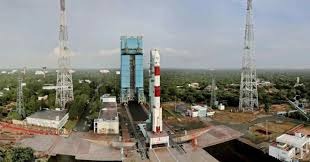
Sriharikota | January 12, 2026 India’s space programme faced an early setback in 2026 after ISRO’s Polar Satellite Launch Vehicle, PSLV-C62, encountered a critical anomaly during the third stage of its flight, leaving the fate of all 16 satellites onboard unclear. The rocket lifted off at 10:18 am from the Satish Dhawan Space Centre, Sriharikota, carrying the Earth Observation Satellite EOS-N1 (Anvesha) along with 15 co-passenger satellites from India and abroad. According to ISRO Chairman V. Narayanan, the launch progressed normally through the first and second stages, and the third stage also ignited as planned. However, trouble arose close to the end of the PS3 burn. Narayanan said unexpected disturbances were observed when the strap-on motors were providing thrust, leading to a deviation in the rocket’s flight path. This deviation prevented the vehicle from maintaining the precise trajectory required to place the satellites into the intended 512-km Sun-Synchronous Orbit. Around 30 minutes after liftoff, ISRO officially confirmed that the mission had “encountered an anomaly” during the final phase of the third stage. While telemetry and tracking data are still being analysed, the space agency has not yet confirmed whether EOS-N1 and the other satellites were successfully deployed. ISRO officials said a clearer picture would emerge once data from all ground stations is thoroughly examined. The incident has raised concerns as it marks the second consecutive PSLV mission affected by a third-stage issue, following a similar problem in May 2025. The PSLV, long considered ISRO’s reliable workhorse with a strong success record across lunar, interplanetary and commercial missions, now faces renewed scrutiny. ISRO has said its immediate priority is a detailed failure analysis to determine the cause of the anomaly and assess the status of the satellites before charting the next course of action. PSLV-C62 Stumbles Early in 2026, ISRO Probes Repeat Third-Stage Anomaly ISRO’s first mission of 2026 faced an unexpected hurdle after the PSLV-C62 rocket ran into a technical issue during the final phase of its third stage shortly after liftoff from Sriharikota on January 12. The launch initially progressed smoothly, raising hopes of a successful deployment of 16 satellites, including Earth observation mission EOS-N1. ISRO Chairman V. Narayanan said disturbances were detected near the end of the PS3 burn, causing the rocket to deviate from its planned flight path. As a result, the vehicle could not follow the precise trajectory needed to inject the satellites into their designated Sun-Synchronous Orbit. The space agency later confirmed that an anomaly occurred during the third stage and that a detailed investigation has begun. ISRO is currently analysing telemetry and tracking data from multiple ground stations to determine the status of EOS-N1 and the 15 other satellites carried on board. The setback is particularly concerning as it mirrors a similar third-stage problem reported in a PSLV mission last year. While the PSLV has long been regarded as ISRO’s most dependable launcher, back-to-back issues have prompted a closer review, with the agency focusing on identifying the root cause and restoring confidence in future missions.