Mamata Banerjee May Personally Argue SIR Case in Supreme Court, Escalating Face-Off With Election Commission
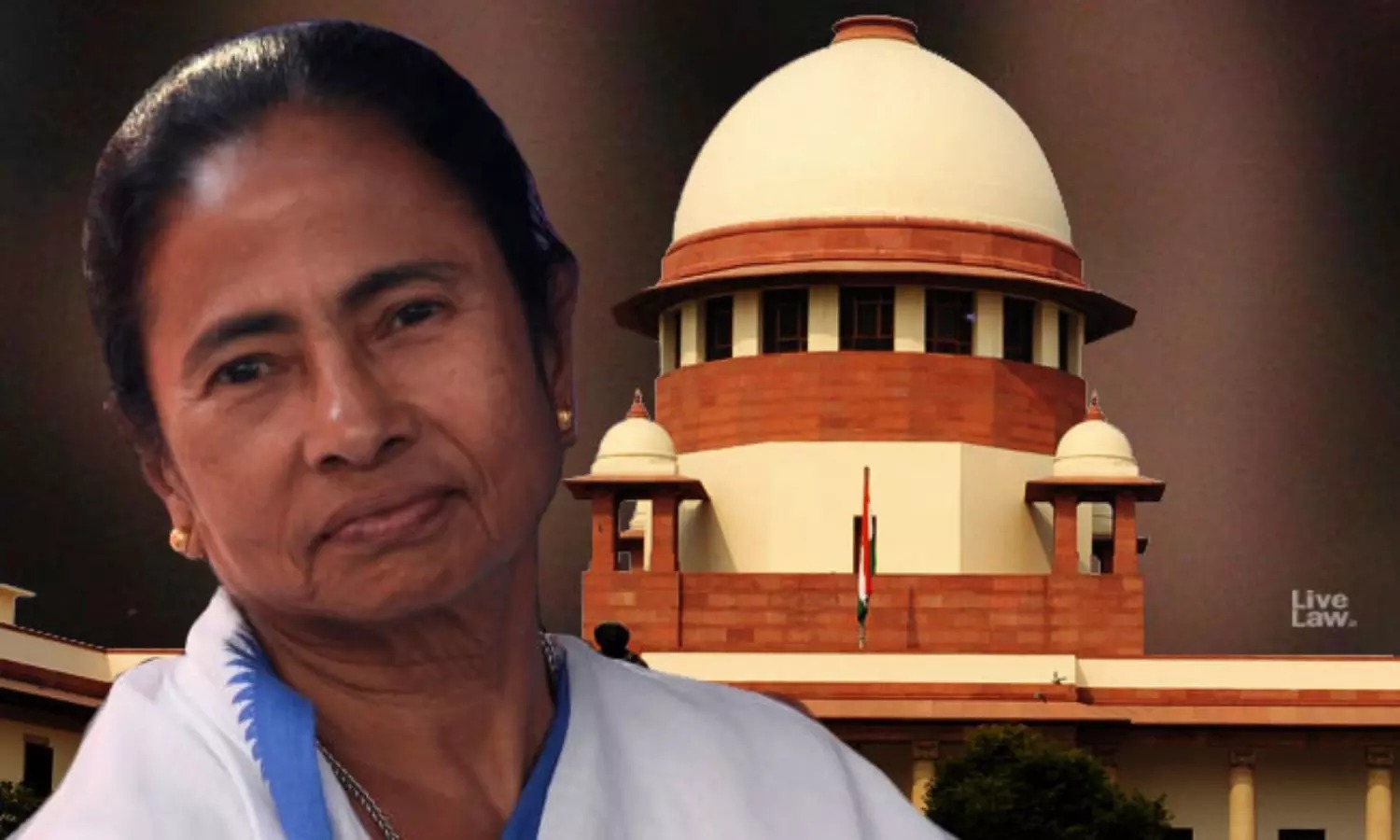
Kolkata | 4 Feb 2026 West Bengal chief minister Mamata Banerjee is likely to make legal history by becoming the first sitting chief minister to personally argue her own case before the Supreme Court, if the court allows it. Her petition challenging the Election Commission of India (ECI)’s Special Intensive Revision (SIR) of the electoral roll is scheduled to come up for hearing on Wednesday. A trained advocate, Banerjee has taken this step amid growing political and legal tension over the voter revision exercise ahead of the 2026 West Bengal assembly elections. In her plea, Banerjee has asked the court to scrap all SIR-related orders issued by the ECI on June 24, 2025, and October 27, 2025. She has also demanded that the upcoming assembly elections be held strictly on the basis of the existing 2025 voter list. The petition seeks a complete halt to the SIR process in West Bengal, arguing that the exercise could lead to large-scale exclusion of genuine voters in the name of verification. Banerjee has raised serious concerns over what she calls the “onerous” verification framework, particularly the reliance on the 2002 electoral roll as a baseline. Her petition highlights issues flagged as “logical discrepancies”, such as minor spelling mistakes, name mismatches, or age gaps, which she argues should not become grounds for voter deletion. She has urged the court to stop hearings in such cases and instead direct election authorities to make corrections on their own using existing official records. Among other demands, the chief minister has asked the court to order the withdrawal of all hearing notices already issued, stop deletion of voters who have submitted documents, and ensure that Aadhaar is accepted as valid identity proof without asking for extra paperwork. She has also sought directions for public disclosure of Form 7 cases to prevent bulk deletions, greater powers for local electoral officers to decide migration cases, and limits on the role of micro-observers in the verification process. Her petition comes shortly after the Supreme Court intervened in the SIR process, noting the heavy burden placed on ordinary voters. “See the strain and stress going on for ordinary people. Over one crore people have been issued notices…we are going to pass some orders,” the court observed on January 12. The bench stressed that while correcting electoral rolls is allowed, it must not harm fairness, transparency, or voter confidence. The Supreme Court had earlier directed the ECI to make the process more voter-friendly by ensuring proper notice, assistance, and wider access to hearings at local levels. It also ordered publication of lists of voters flagged for discrepancies and held the state administration responsible for maintaining law and order during the exercise. Banerjee’s personal decision to step into court herself adds a sharp political edge to what has become one of the most significant election-related legal battles ahead of the 2026 West Bengal polls. Mamata Banerjee Takes On Election Commission, May Argue Own Case in Supreme Court West Bengal Chief Minister Mamata Banerjee is set to take an unusual legal step as she may personally argue her case before the Supreme Court against the Election Commission of India (ECI). If allowed, she would become the first sitting chief minister to do so. Her petition challenges the Special Intensive Revision (SIR) of electoral rolls in West Bengal and will be heard along with similar pleas filed by leaders of the Trinamool Congress. Banerjee has demanded that the 2026 assembly elections be conducted using the existing 2025 voter list. In her plea, Banerjee has asked the court to cancel all SIR-related orders issued by the ECI on June 24, 2025, and October 27, 2025. She argues that the revision process, started ahead of the state elections, may lead to large numbers of genuine voters losing their right to vote. The chief minister has claimed that the verification system is too strict and relies heavily on outdated records, which could harm ordinary citizens. The petition also raises concern over cases marked for “logical discrepancies”, such as spelling mistakes, name mismatches, or age-related issues. Banerjee has urged the court to stop hearings in such cases and instead allow election officials to correct errors on their own using available records. She has also asked for clear directions to ensure Aadhaar is accepted as valid identity proof and that voters are not removed without proper notice and transparency. Her move comes after the Supreme Court recently expressed concern over the pressure faced by voters during the SIR process. “See the strain and stress going on for ordinary people. Over one crore people have been issued notices…we are going to pass some orders,” the court observed, while stressing that fairness and voter confidence must be protected. Banerjee’s decision to personally step into the courtroom has added fresh intensity to the ongoing legal and political battle ahead of the 2026 West Bengal elections.