
Breathe Away Stress: Physiotherapist Shares 5 Simple Techniques to Stay Calm and Focused
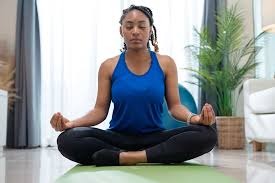
New Delhi | 14 March 2026 With increasing pressure from exams, work deadlines and everyday responsibilities, stress and anxiety have become a common concern. Health experts say that simple breathing techniques can play a significant role in calming the mind and improving focus. Since breathing is an automatic process, people rarely pay attention to it, but practising conscious breathing for a few minutes daily can help reduce anxiety and bring emotional balance during stressful situations. Highlighting the importance of stress management, Palak Dengla, chief physiotherapist at Aster RV Hospital in Bengaluru, explained that long-term stress can negatively affect overall health. She said, “Elevated cortisol levels caused by chronic stress promote low-grade inflammation, a silent contributor to major health issues such as hypertension, type 2 diabetes, thyroid imbalances, chronic neck and back pain, digestive disturbances, insomnia, and fatigue.” She also noted that breathing techniques help restore balance in the body. According to her, “Slow, conscious breathing shifts the body from sympathetic overdrive to parasympathetic calm, lowering stress hormones, improving circulation, and enhancing recovery.” Experts recommend several simple breathing practices that can be easily followed in daily life. These include diaphragmatic breathing, also known as belly breathing, where a person inhales through the nose allowing the abdomen to rise; box breathing, which involves inhaling, holding, exhaling and holding again for four counts each; alternate nostril breathing that focuses on breathing through one nostril at a time; 4-7-8 breathing that includes inhaling for four seconds, holding for seven and exhaling for eight; and humming breathing inspired by Bhramari, where a gentle humming sound is made while exhaling to promote relaxation. For best results, physiotherapists suggest practising breathing exercises at specific times during the day. Spending five minutes on waking up, five minutes before going to sleep, and two to three minutes during stressful moments can help improve oxygen flow, heart rate balance and overall mental clarity. Regular practice not only helps manage stress but also supports better memory, concentration and productivity in daily life. Breathe Away Stress: Physiotherapist Shares 5 Simple Techniques to Stay Calm and Focused With increasing pressure from exams, work deadlines and everyday responsibilities, stress and anxiety have become a common concern. Health experts say that simple breathing techniques can play a significant role in calming the mind and improving focus. Since breathing is an automatic process, people rarely pay attention to it, but practising conscious breathing for a few minutes daily can help reduce anxiety and bring emotional balance during stressful situations. Highlighting the importance of stress management, Palak Dengla, chief physiotherapist at Aster RV Hospital in Bengaluru, explained that long-term stress can negatively affect overall health. She said, “Elevated cortisol levels caused by chronic stress promote low-grade inflammation, a silent contributor to major health issues such as hypertension, type 2 diabetes, thyroid imbalances, chronic neck and back pain, digestive disturbances, insomnia, and fatigue.” She also noted that breathing techniques help restore balance in the body. According to her, “Slow, conscious breathing shifts the body from sympathetic overdrive to parasympathetic calm, lowering stress hormones, improving circulation, and enhancing recovery.” Experts recommend several simple breathing practices that can be easily followed in daily life. These include diaphragmatic breathing, also known as belly breathing, where a person inhales through the nose allowing the abdomen to rise; box breathing, which involves inhaling, holding, exhaling and holding again for four counts each; alternate nostril breathing that focuses on breathing through one nostril at a time; 4-7-8 breathing that includes inhaling for four seconds, holding for seven and exhaling for eight; and humming breathing inspired by Bhramari, where a gentle humming sound is made while exhaling to promote relaxation. For best results, physiotherapists suggest practising breathing exercises at specific times during the day. Spending five minutes on waking up, five minutes before going to sleep, and two to three minutes during stressful moments can help improve oxygen flow, heart rate balance and overall mental clarity. Regular practice not only helps manage stress but also supports better memory, concentration and productivity in daily life.