Conversion to Other Faith Ends SC Status: Supreme Court Clarifies Scope of Constitutional Protections
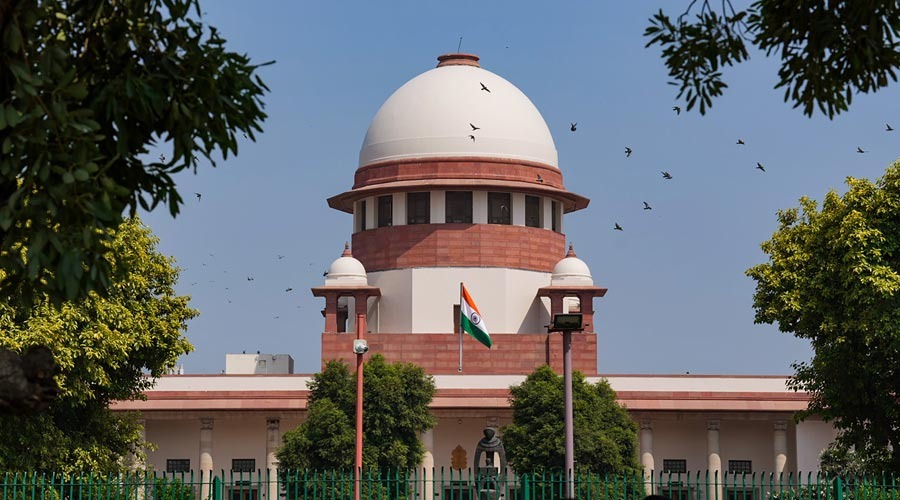
New Delhi | March 24, 2026 The Supreme Court of India on Tuesday ruled that individuals who convert to Christianity or any religion other than Hinduism, Sikhism, or Buddhism will no longer be eligible to claim Scheduled Caste (SC) status and its associated constitutional protections. The bench, comprising Justices Prashant Kumar Mishra and Manmohan, upheld an earlier judgment of the Andhra Pradesh High Court, reinforcing the legal position under the Constitution (Scheduled Castes) Order, 1950. The court observed that once a person voluntarily converts and actively practices another religion, they cannot avail benefits reserved for Scheduled Castes, including protections under the SC/ST (Prevention of Atrocities) Act. It clarified that the determining factor is the religion a person follows at the time of the incident, not merely the possession of a caste certificate. The ruling emphasises that SC status is strictly linked to specific religions as defined under the constitutional framework. The judgment came in a case involving a pastor from Andhra Pradesh, Chinthada Anand, who had filed a complaint alleging assault and caste-based abuse. However, the accused challenged the case, arguing that Anand had converted to Christianity and was no longer eligible to invoke the SC/ST Act. The court noted that evidence clearly showed he had been practicing Christianity for several years and had not returned to his original faith, making him ineligible for SC protections. Endorsing the High Court’s findings, the Supreme Court stated that caste-based protections are intended for those who remain within the social structure where such discrimination exists. It also clarified that issues related to caste certificates fall under administrative procedures and do not override eligibility criteria after conversion. The ruling is expected to have significant implications for similar cases involving the intersection of religion and caste-based legal protections. Conversion to Other Faith Ends SC Status: Supreme Court Clarifies Scope of Constitutional Protections The Supreme Court of India on Tuesday ruled that individuals who convert to Christianity or any religion other than Hinduism, Sikhism, or Buddhism will no longer be eligible to claim Scheduled Caste (SC) status and its associated constitutional protections. The bench, comprising Justices Prashant Kumar Mishra and Manmohan, upheld an earlier judgment of the Andhra Pradesh High Court, reinforcing the legal position under the Constitution (Scheduled Castes) Order, 1950. The court observed that once a person voluntarily converts and actively practices another religion, they cannot avail benefits reserved for Scheduled Castes, including protections under the SC/ST (Prevention of Atrocities) Act. It clarified that the determining factor is the religion a person follows at the time of the incident, not merely the possession of a caste certificate. The ruling emphasises that SC status is strictly linked to specific religions as defined under the constitutional framework. The judgment came in a case involving a pastor from Andhra Pradesh, Chinthada Anand, who had filed a complaint alleging assault and caste-based abuse. However, the accused challenged the case, arguing that Anand had converted to Christianity and was no longer eligible to invoke the SC/ST Act. The court noted that evidence clearly showed he had been practicing Christianity for several years and had not returned to his original faith, making him ineligible for SC protections. Endorsing the High Court’s findings, the Supreme Court stated that caste-based protections are intended for those who remain within the social structure where such discrimination exists. It also clarified that issues related to caste certificates fall under administrative procedures and do not override eligibility criteria after conversion. The ruling is expected to have significant implications for similar cases involving the intersection of religion and caste-based legal protections.