UP’s Forests Flourish: Eco-Tourism Upgrades and Wildlife Numbers Hit Record Highs
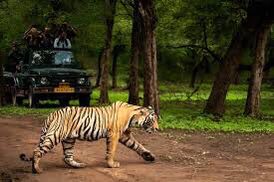
Lucknow, December 04, 2025 Uttar Pradesh is making significant strides in eco-tourism, with the state government investing Rs 161 crore over the past three years to improve infrastructure across its major forest reserves. The move is part of a broader effort to attract more tourists, while simultaneously strengthening wildlife conservation. Forest areas such as Dudhwa National Park, Katarniaghat, Pilibhit, Amangarh, and Sohagibarwa have seen major improvements in tourist amenities and facilities. Officials say the Eco-Tourism Development Board has overseen upgrades ranging from better road connectivity within forest areas to the creation of eco-friendly resting zones. Visitors can now enjoy well-maintained cafeterias, gazebos, nature trails, bird-watching points, and play areas for children. These enhancements are designed to provide a more comfortable and immersive experience while maintaining a minimal environmental footprint. The initiative has already yielded noticeable results. Tourism Minister Jaiveer Singh, speaking on World Wildlife Conservation Day, revealed new census figures showing a remarkable rise in wildlife populations. According to official reports, Dudhwa National Park’s wildlife population grew from 65,000 in 2022 to over 1.13 lakh in 2025. Katarniaghat recorded a jump from 12,000 to more than 17,000 animals, while the buffer zones around these forests also saw an increase from 14,000 to over 15,000. The rise includes a diverse array of species, such as tigers, rhinoceroses, barasingha (swamp deer), and gharials, reflecting the success of conservation efforts alongside eco-tourism development. Officials note that improved monitoring, anti-poaching measures, and better habitat management have all contributed to these gains. The tourism department’s strategy is to balance growth in visitor numbers with ecological sustainability. By providing modern, eco-friendly infrastructure, UP is making its forest zones more accessible to both domestic and international tourists without compromising wildlife habitats. This approach has encouraged responsible tourism and created opportunities for local communities through jobs and small-scale enterprises linked to tourism services. Beyond infrastructure, the government has also focused on public awareness campaigns to highlight wildlife conservation, helping visitors understand the importance of protecting these ecosystems. Nature trails and educational kiosks have been added in key locations, enhancing both learning and engagement for tourists of all ages. As a result, Uttar Pradesh’s eco-tourism is emerging as a model for combining environmental stewardship with economic and recreational benefits. The upgrades not only attract more tourists but also support the long-term growth of wildlife populations. With continued investment and careful planning, these forests are expected to remain vibrant hubs for both wildlife and visitors, offering a unique glimpse into India’s natural heritage. The success of these initiatives demonstrates how focused investment, combined with conservation efforts, can simultaneously boost tourism and preserve biodiversity, positioning Uttar Pradesh as a leading destination for eco-tourism in the country. UP’s Forests Flourish: Eco-Tourism Upgrades and Wildlife Numbers Hit Record Highs Uttar Pradesh is making waves in eco-tourism with a Rs 161 crore investment over the past three years to upgrade facilities in its major forest reserves. The move aims to attract more visitors while boosting wildlife conservation. Forest areas like Dudhwa National Park, Katarniaghat, Pilibhit, Amangarh, and Sohagibarwa are now better equipped for tourists, offering a safe and enjoyable experience. The Eco-Tourism Development Board has added modern amenities including improved roads, eco-friendly resting zones, cafeterias, gazebos, nature trails, bird-watching points, and children’s play areas. These upgrades make visits more comfortable without harming the environment, allowing tourists to experience nature responsibly. The results are already impressive. According to Tourism Minister Jaiveer Singh, Dudhwa National Park’s wildlife population rose from 65,000 in 2022 to over 1.13 lakh in 2025. Katarniaghat’s count increased from 12,000 to more than 17,000, and buffer zones also saw a rise from 14,000 to over 15,000. The growth includes tigers, rhinoceroses, barasingha (swamp deer), and gharials, reflecting successful conservation efforts. UP’s strategy focuses on balancing tourism with ecological preservation. By improving infrastructure and promoting responsible tourism, the state ensures wildlife habitats remain protected. Educational initiatives and nature trails help visitors understand the importance of conservation, while local communities benefit from tourism-related opportunities. These eco-tourism upgrades are turning UP’s forests into thriving hubs for both wildlife and visitors. Tourists can enjoy nature safely, while endangered species flourish. With continued investment and careful planning, the state is set to become a leading destination for eco-tourism in India, proving that sustainable development can protect wildlife while boosting tourism.