UP Electoral Roll Verification: 93.8% Notices Delivered, Hearings Completed for 2.8 Crore Voters
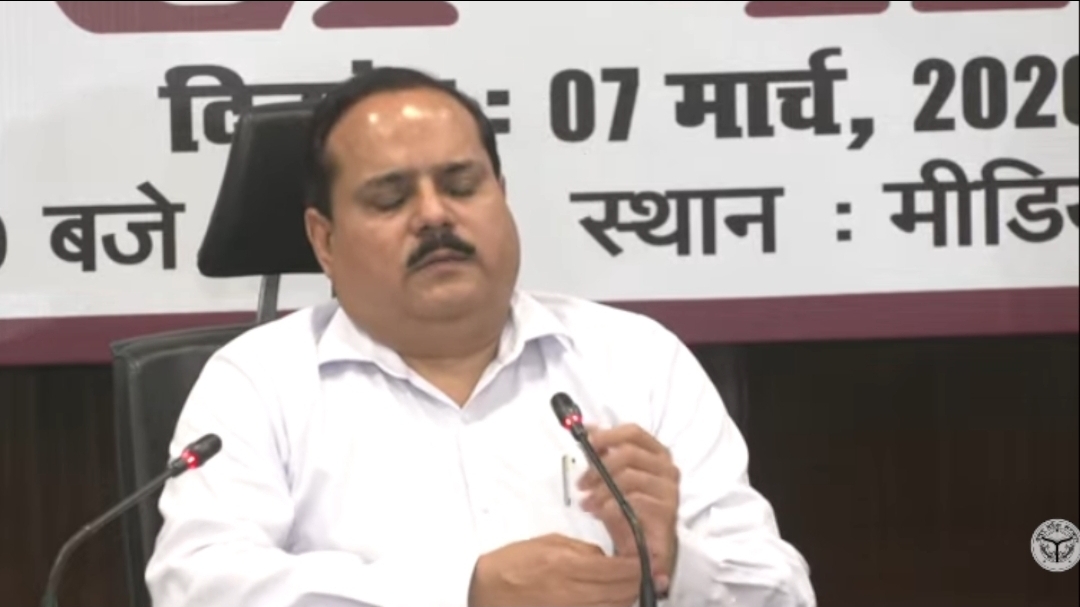
The voter verification process in Uttar Pradesh has reached a major milestone, with officials confirming that 100 percent of the required notices have been generated as of March 6, 2026. According to the latest data, over 3.06 crore notices have been successfully delivered to voters, accounting for 93.8 percent of the total notices issued, ensuring that a large majority of voters were informed and given the opportunity to respond. Following the distribution of notices, authorities conducted hearings to address voter verification issues. Officials reported that hearings for around 2.80 crore voters have been completed, which represents 85.80 percent of the total cases. The hearings mainly focused on voters whose details did not match existing electoral records, commonly referred to as “no-matching” cases, allowing authorities to verify and resolve discrepancies. To make the process easier for voters, the election department deployed a large number of Assistant Electoral Registration Officers (AEROs) so that voters would not have to travel far or face overcrowding at hearing centers. Uttar Pradesh has 403 Electoral Registration Officers (EROs) for its Assembly constituencies, supported by 12,758 Assistant Electoral Registration Officers, who jointly conducted the verification hearings across the state. Authorities also increased the number of hearing venues over time, with proceedings conducted at 5,621 locations. Help desks were set up at these centers to assist voters and address their queries, ensuring that the hearings were completed smoothly and with minimal waiting time. Officials said the initiative aims to maintain a transparent and accurate electoral roll for the state. Doorstep Hearings Speed Up Voter List Correction Process; Officials Confident of Completing Remaining Cases Before March 27 Election authorities have introduced a more convenient process for voters whose records matched but still showed discrepancies in the electoral database. In such cases, even higher-level officials were authorized to visit voters’ homes to conduct hearings, ensuring that people did not face difficulties in resolving their issues. This doorstep approach was designed to make the correction process more accessible and transparent for voters who might otherwise struggle to attend hearings in person. To support this initiative, a digital system was implemented through the BLO (Booth Level Officer) App. The platform allows officials to upload photographs, attendance records, acknowledgements, supporting documents, and declarations submitted by the BLO during the hearing process. This ensures proper documentation and transparency while maintaining a verifiable digital record of each case handled at the voter’s residence. Officials stated that hearings have already been completed in a large number of cases, with only about fourteen percent of cases still pending. With the deadline set for March 27, authorities still have nearly three weeks remaining to complete the process. Given the current pace of work, officials expressed confidence that all remaining hearings will be completed within the available timeframe. The claims and objections period for the voter list revision began on January 6. Initially, one month was allocated for the process, but authorities later extended it by an additional month, making the total period two months. During this time, citizens could submit claims through Form 6 to request inclusion of their name in the draft electoral roll if it was missing from the list.