Rising Voluntary Retirements Among Senior IAS Officers Trigger Concern in Uttar Pradesh Administration
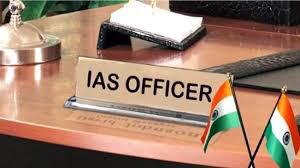
Lucknow | December 13, 2025 A growing number of senior Indian Administrative Service (IAS) officers from the Uttar Pradesh cadre are opting for voluntary retirement, a trend that has begun to worry both political and administrative circles in the state. Over the past few years, around a dozen officers have either resigned or taken voluntary retirement from service, and indications suggest that more may follow in the coming months. Most officers who have stepped down have officially cited personal reasons, including health and family considerations. However, within bureaucratic circles, it is widely believed that better career opportunities outside government service and frustration over limited growth prospects are playing a significant role in these decisions. The latest name to join the list is 2004-batch IAS officer Anamika Singh, whose request for voluntary retirement is currently under process. A senior official confirmed that she has sought VRS, though he clarified that she had not applied for central deputation in the recent past. Her decision has once again sparked discussions about why experienced officers are leaving what was once considered one of the most prestigious services in the country. In recent months, concerns have also grown over the relatively low representation of Uttar Pradesh cadre officers at the Centre. Several officers claim that requests for central deputation are either delayed or not cleared by the state government, often due to staff shortages within the state administration. At the same time, officers say it has become increasingly difficult to get empanelled for senior positions at the Centre, further slowing their career progression. A senior IAS officer pointed out that many officers who did manage to secure central deputation recently had earlier postings in Varanasi or Ayodhya. Working in these high-profile districts reportedly brought them into closer coordination with central ministries, improving their chances of being selected for deputation. Another officer expressed frustration over the situation, saying that applications for central postings are routinely sent but rarely approved. According to him, the lack of movement and limited exposure at the national level has left many officers feeling stuck, pushing some to explore options outside government service. Apart from Anamika Singh, several other senior officers have either resigned or taken VRS in recent years. These include Amod Kumar (1995 batch), Vikas Gothalwal (2003), Vidya Bhushan (2008), G Sreenivasulu (2005), Rajiv Agarwal (1993), Mohammad Mustafa (1995), Rigzin Samphael (2003), Renuka Kumar (1987), Juthika Patankar (1988), Rakesh Varma and RP Singh. Another officer, Abhishek Singh of the 2011 batch, also resigned recently. Notably, G Sreenivasulu later withdrew his VRS request and returned to service, highlighting the complex nature of these decisions. The growing exits have also drawn attention to the reduced role of the Uttar Pradesh IAS Association. In the past, the association actively raised service-related concerns with the state government. However, for the last few years, it has remained largely silent. Its annual ‘service week’, which included the general body meeting where officers could openly discuss issues, has not been held, further limiting platforms for internal dialogue. Senior officers note that the absence of such forums has weakened collective representation and left individual officers to deal with career concerns on their own. Despite repeated attempts, no official response was available from top state officials, including chief secretary SP Goyal and principal secretary (appointments) M Devraj. As the number of voluntary retirements continues to rise, questions remain over whether corrective steps will be taken to address officer morale and retain experienced administrators within Uttar Pradesh’s bureaucracy. Rising Voluntary Retirements Among Senior IAS Officers Trigger Concern in Uttar Pradesh Administration A quiet but worrying trend is unfolding in Uttar Pradesh’s bureaucracy. An increasing number of senior IAS officers from the UP cadre are choosing voluntary retirement or resigning from service, raising serious questions about officer morale and long-term administrative stability in the state. Over the past few years, nearly a dozen IAS officers have left the service, and more exits are expected in the coming months. While most officers have officially cited personal or health reasons, many within the system believe better opportunities outside government and slow career growth are key reasons behind these decisions. The latest officer to seek voluntary retirement is 2004-batch IAS officer Anamika Singh. Her VRS request is currently under process, and senior officials have confirmed the development. Although she did not apply for central deputation recently, her decision has once again brought attention to the growing dissatisfaction among sections of the UP cadre. Several officers have expressed concern over limited representation of UP IAS officers at the Centre. Many claim that requests for central deputation are often not cleared by the state government due to shortages within the state, while empanelment at the Centre has also become more difficult. This has left many officers feeling professionally stuck. Interestingly, senior officials note that officers who managed to secure central deputation in recent months often had key postings in Varanasi or Ayodhya. These assignments reportedly helped them work closely with central agencies, improving their chances of selection. Apart from Anamika Singh, officers such as Amod Kumar, Vikas Gothalwal, Vidya Bhushan, G Sreenivasulu, Rajiv Agarwal, Mohammad Mustafa, Rigzin Samphael, Renuka Kumar, Juthika Patankar, Rakesh Varma, RP Singh and Abhishek Singh have either resigned or taken VRS in recent years. The silence of the UP IAS Association has also raised eyebrows. Once active in raising service issues, the association has not held its annual service week for years, reducing platforms for officers to voice concerns. So far, the state government’s top officials have not commented on the issue, even as concerns continue to grow.