
India to Host Second WHO Global Summit, Driving Science-Based Growth of Traditional Medicine
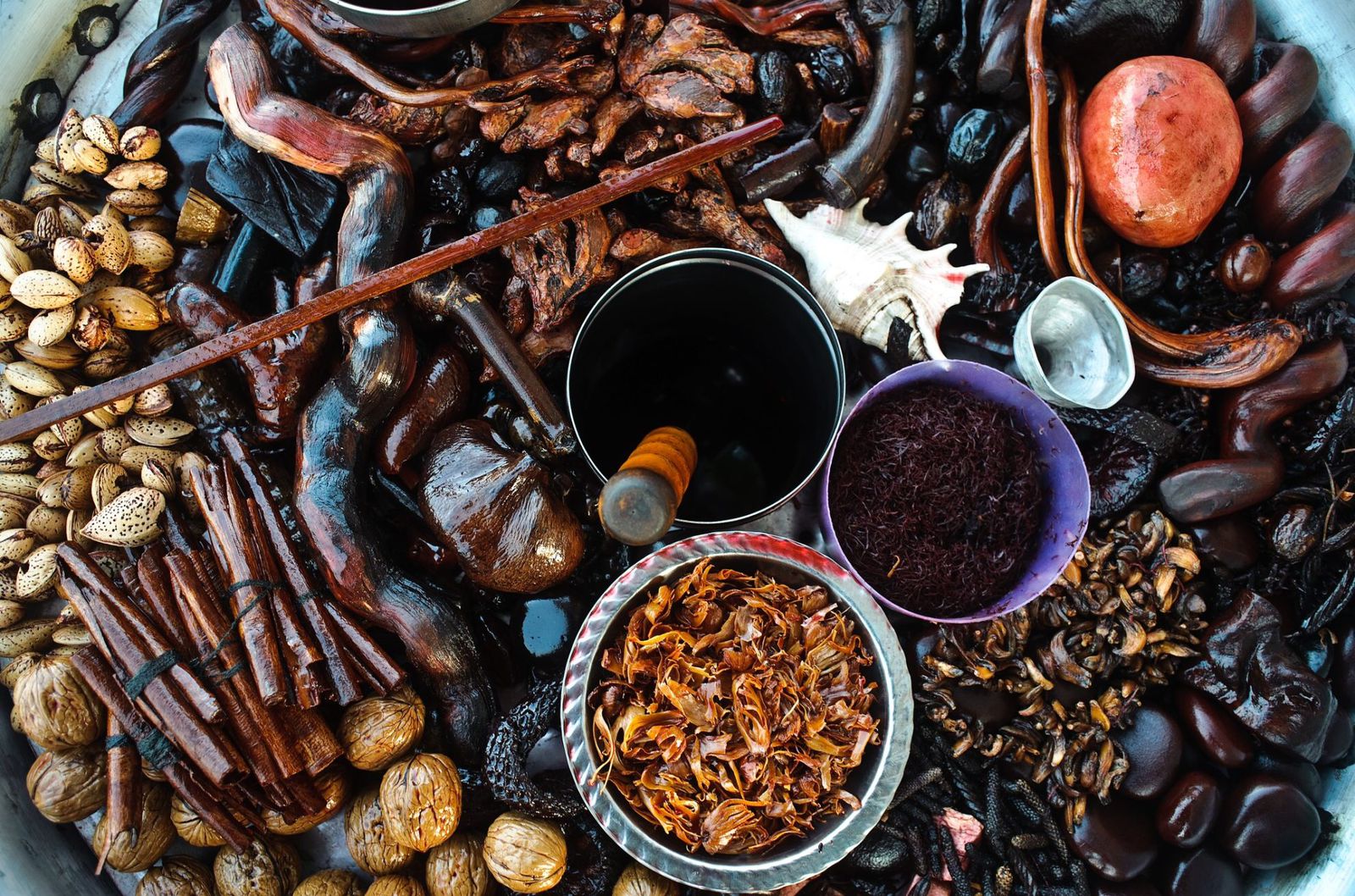
New Delhi | December 17, 2025 India is preparing to host the second World Health Organization (WHO) Global Summit on Traditional Medicine in New Delhi from December 17 to 19, marking a significant step in strengthening traditional healthcare through science, regulation and global collaboration. The summit highlights India’s growing role in shaping how traditional medicine is researched, practised and integrated into modern health systems worldwide. The three-day global event will bring together policymakers, scientists, healthcare professionals and traditional medicine experts from more than 100 countries. Organised in collaboration with the WHO, the summit focuses on how traditional medicine can contribute to sustainable healthcare, health equity and resilient health systems. Its theme, “Restoring Balance for People and Planet: The Science and Practice of Well-Being,” reflects the increasing global interest in holistic and preventive healthcare approaches. Traditional medicine continues to play a vital role in healthcare delivery across the world. According to the WHO, traditional, complementary and integrative medicine is practised in 170 of its 194 Member States. In many regions, particularly in parts of Asia, Africa and the Americas, traditional systems are often the first point of care due to their accessibility, cultural acceptance and focus on personalised treatment. India, with systems such as Ayurveda, Siddha, Unani, Yoga, Naturopathy, Sowa-Rigpa and Homoeopathy, has one of the world’s most structured traditional medicine ecosystems. India enters the summit with unmatched scale. As of 2024, the country has 3,844 AYUSH hospitals, 36,848 dispensaries, more than 7.5 lakh registered practitioners and over 1,100 undergraduate and postgraduate teaching institutions. These services are supported by a nationwide network of public health facilities where AYUSH services are co-located alongside allopathic care, ensuring wider access for communities. A major highlight of the summit will be the launch of the WHO Traditional Medicine Global Library. This digital platform will serve as the world’s most comprehensive repository of traditional medicine knowledge, containing more than 1.5 million records. The library is designed to support policymakers, researchers and practitioners by providing reliable, evidence-based information and promoting global research collaboration. The summit also aims to strengthen political commitment and global cooperation in traditional medicine. Discussions will focus on improving research quality, ensuring patient safety, developing regulatory standards and integrating traditional medicine into national healthcare systems. Protecting traditional knowledge while conserving biodiversity will also be a key focus, especially as demand for medicinal plants continues to rise. India’s Ministry of AYUSH plays a central role in this effort. Through clear regulations, education standards and research support, the ministry works to ensure quality, safety and scientific validation of traditional practices. Under the National AYUSH Mission, infrastructure has been expanded, hospitals upgraded and essential medicines supplied across states. Several government hospitals have also established integrated AYUSH departments, reflecting India’s move towards a more inclusive healthcare model. Supporting schemes such as Ayurgyan promote research, innovation and continuous learning for practitioners, while Ayurswasthya Yojana focuses on community wellness and strengthening centres of excellence. Another key initiative, the AYUSH Oushadhi Gunvatta evum Uttapadan Samvardhan Yojana, improves quality control in medicine manufacturing, testing and pharmacovigilance. The New Delhi summit will feature ministerial dialogues, scientific discussions and expert sessions on research methods, digital tools, global standards and the responsible use of artificial intelligence in traditional medicine. These discussions align closely with the WHO Traditional Medicine Strategy 2025–2034, which aims to expand access to safe, effective and people-centred traditional healthcare worldwide. By hosting the second WHO Global Summit, India reinforces its position as a global leader in traditional medicine. The country’s approach blends ancient knowledge with modern science, regulation and digital innovation. Aligned with the vision of Viksit Bharat@2047, India’s efforts show how traditional wisdom and contemporary healthcare can work together to improve well-being while building a more inclusive and sustainable global health future. India to Host Second WHO Global Summit, Driving Science-Based Growth of Traditional Medicine New Delhi is set to become the global hub for traditional healthcare as India hosts the 2nd WHO Global Summit on Traditional Medicine from December 17 to 19, 2025. The three-day summit will bring together policymakers, scientists, healthcare experts and practitioners from over 100 countries, highlighting how traditional medicine can support modern health systems in a safe, scientific and sustainable way. Organised in collaboration with the World Health Organization (WHO), the summit focuses on strengthening traditional, complementary and integrative medicine through research, regulation and global cooperation. The theme, “Restoring Balance for People and Planet: The Science and Practice of Well-Being,” reflects the growing global interest in holistic and preventive healthcare that supports both people and the environment. India plays a key role in this space through its AYUSH systems, including Ayurveda, Yoga, Unani, Siddha, Naturopathy, Sowa-Rigpa and Homoeopathy. With 3,844 AYUSH hospitals, 36,848 dispensaries and over 7.5 lakh registered practitioners, India brings unmatched experience and scale to the global conversation. A major highlight of the summit will be the launch of the WHO Traditional Medicine Global Library, the world’s largest digital collection of traditional medicine knowledge with over 1.5 million records. This platform will support researchers, policymakers and practitioners worldwide. Discussions at the summit will focus on safety, quality standards, research methods, digital innovation and integrating traditional medicine into national health systems. India’s Ministry of AYUSH, through initiatives like the National AYUSH Mission, continues to strengthen education, research, drug quality and community-level care. As traditional medicine gains renewed global attention, India stands at the forefront—blending ancient wisdom with modern science to build a more inclusive, evidence-based and sustainable healthcare future.