Study Suggests Black Cumin May Help Lower Cholesterol and Reduce Obesity Risk
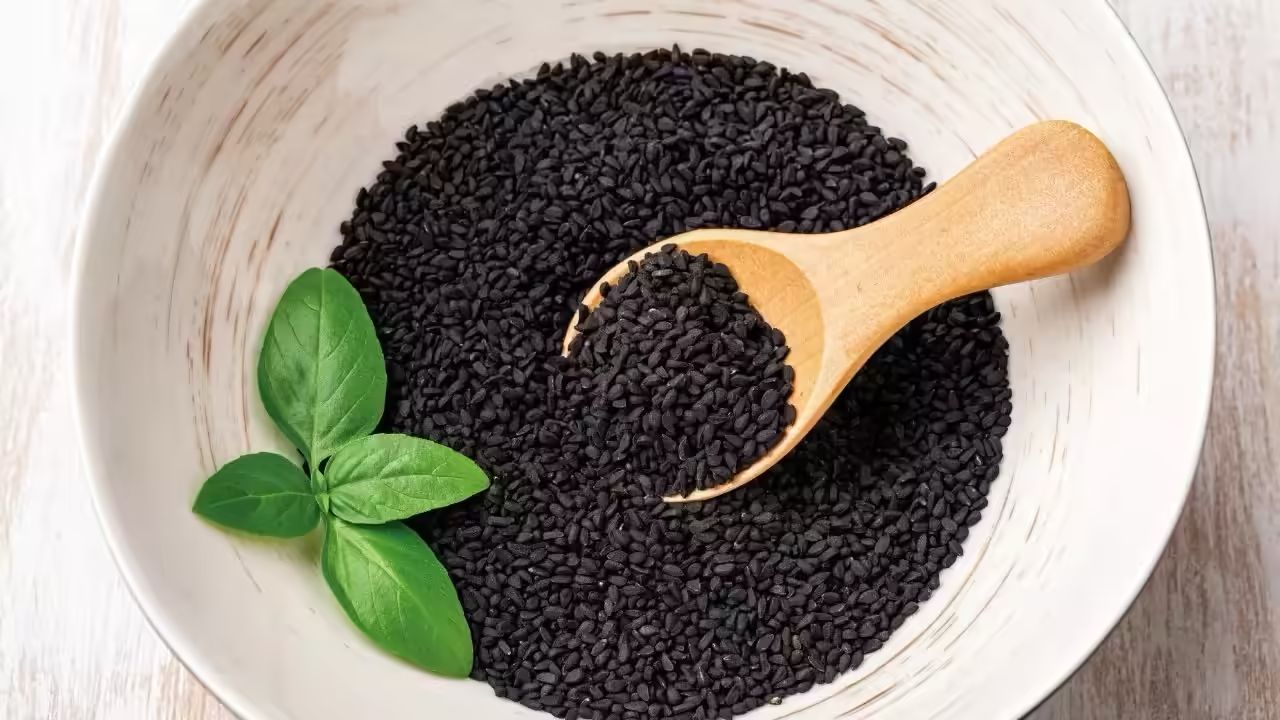
New Delhi – December 18, 2025 Black cumin seeds, a spice long used in traditional medicine, may offer benefits for heart health and weight management, according to a recent study. Commonly used in Indian and Middle Eastern cooking, black cumin has traditionally been linked to relief from menstrual pain, skin conditions, breathing problems, and digestive issues. New research now suggests that adding this spice to the daily diet could help lower cholesterol levels and reduce obesity-related risks. The findings come from a study published in the journal Food Science & Nutrition, which examined the effects of black cumin consumption on metabolic health. The study involved 42 participants between the ages of 20 and 50. Over a period of eight weeks, participants consumed at least five grams of black cumin seed powder daily. Researchers observed notable improvements in their cholesterol profiles by the end of the study period. According to the study, participants showed reduced levels of total cholesterol, triglycerides, and low-density lipoprotein (LDL), commonly known as “bad” cholesterol. At the same time, levels of high-density lipoprotein (HDL), or “good” cholesterol, increased. These changes are considered positive indicators for heart health and may help lower the risk of cardiovascular disease. Akiko Kojima-Yuasa, an associate professor at Osaka Metropolitan University, described black cumin as a promising natural food that supports metabolic health. She explained that the seeds contain compounds that may help regulate fat metabolism and improve cholesterol balance in the body. Beyond cholesterol control, black cumin may also play a role in managing obesity. Kojima-Yuasa noted that the spice can help reduce oxidative stress and prevent the formation of fat cells. One of its key active compounds, thymoquinone, is believed to fight chronic inflammation, which is often linked to weight gain and metabolic disorders. However, experts have urged caution when interpreting the findings. Shiara Ortiz-Pujols, director of obesity medicine at Staten Island University Hospital, said that while the results are encouraging, the medical community needs more data before drawing firm conclusions. He pointed out that the study was limited in size and duration and involved participants only from Japan. Ortiz-Pujols added that it is still unclear whether black cumin would have the same effects in people from other regions or with different genetic and lifestyle backgrounds. He stressed that more long-term and large-scale studies are needed to understand its full potential and safety. For those interested in adding black cumin to their diet, experts suggest simple and practical options. In India and the Middle East, black cumin seeds are commonly used in everyday cooking. They are added to curries, vegetable dishes, lentils, bread, and pickles, making them easy to include without major changes to meals. Iman Majd, an associate professor at the University of Washington, advised that consuming about half a teaspoon of black cumin seeds per day may be beneficial. Black cumin seed oil capsules, usually available in doses ranging from 500 mg to 1000 mg, are also sold in the market for those who prefer supplements. Majd explained that black cumin can support weight management, blood sugar control, and heart health. However, he cautioned that it should not be seen as a replacement for a balanced diet, regular physical activity, or prescribed medications. Instead, it can be used as an additional tool as part of a healthy lifestyle. Previous research has also suggested that black cumin may help lower triglyceride levels, LDL cholesterol, and fasting blood sugar in people with type 2 diabetes. These findings further support its potential role in managing metabolic health. While black cumin shows promise, health experts agree that moderation and medical guidance are important. Individuals with existing health conditions or those taking medication should consult a doctor before making significant dietary changes. As research continues, black cumin remains a traditional spice with growing scientific interest for modern health concerns. Study Suggests Black Cumin May Help Lower Cholesterol and Reduce Obesity Risk Black cumin seeds, a common spice used in Indian and Middle Eastern kitchens, are now gaining attention for their potential health benefits. A recent study suggests that adding black cumin to your daily diet may help lower cholesterol levels and reduce the risk of obesity. The study, published in the journal Food Science & Nutrition, involved 42 participants between the ages of 20 and 50. Over eight weeks, they consumed around five grams of black cumin seed powder every day. By the end of the study, researchers noticed lower levels of total cholesterol, triglycerides, and LDL or “bad” cholesterol. At the same time, HDL or “good” cholesterol levels increased, which is considered beneficial for heart health. Experts say black cumin contains active compounds like thymoquinone, which may help reduce inflammation, lower oxidative stress, and prevent the formation of fat cells. These factors are closely linked to weight gain and metabolic issues. Researchers believe this could explain why the spice shows promise in managing obesity-related risks. However, doctors have advised caution. Some health experts point out that the study was small and limited to participants from Japan. More research is needed to understand whether black cumin will have the same effects in different populations and over a longer period of time. Adding black cumin to your diet is simple. It is already widely used in curries, lentils, vegetables, breads, and pickles. Health experts suggest consuming about half a teaspoon of black cumin seeds daily. Black cumin seed oil capsules, usually available in doses of 500 to 1000 mg, are also an option. Doctors stress that while black cumin can support heart health, weight control, and blood sugar levels, it should not replace a balanced diet, regular exercise, or prescribed medication. Instead, it works best as an added support to a healthy lifestyle. As research continues, black cumin remains a traditional spice with growing scientific backing for modern health needs.