29.6 Million Names at Risk of Deletion from UP Voter Rolls, Urban Areas Most Affected
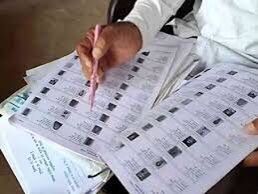
Lucknow/Delhi, Dec 19, 2025 Uttar Pradesh is undergoing a Special Intensive Revision (SIR) of its voter rolls, and recent reports suggest that nearly 29.6 million names may be removed from the electoral lists. Urban districts are expected to be the most affected, with major cities like Ghaziabad, Lucknow, Kanpur, Meerut, and Agra facing the highest proportion of deletions. This development has raised concerns about voter representation and the accuracy of the upcoming electoral process in the state. The SIR exercise in UP, originally scheduled to conclude earlier this month, has been extended to December 26. If the predicted deletions hold, this would mean almost 19% of the state’s 154 million electors could be removed from the rolls, a figure more than double that seen in other large states such as West Bengal, Rajasthan, and Bihar, where similar revisions have taken place. A closer look at the numbers reveals the reasons behind the deletions. Of the 29.6 million names flagged, 12.8 million are categorized as permanently shifted, 4.6 million are marked deceased, 2.41 million as duplicates, and 8.74 million are considered untraceable. Additionally, nearly 984,393 voters, about 0.62% of the total, have not returned the enumeration forms distributed to them by booth-level officers. Urban districts show the highest deletion rates. In Ghaziabad, 36.67% of voter names are at risk, with the Sahibabad assembly constituency facing a potential 43.99% deletion. Lucknow has six heavily urban constituencies with expected deletions ranging between 30% and 39%. Other urban hubs like Kanpur Nagar, Meerut, Agra, and Prayagraj also report high deletion percentages. By contrast, districts with large rural populations, such as Pilibhit, Amroha, Fatehpur, Jhansi, Lalitpur, and Hamirpur, show lower deletion percentages, generally below 17%. Some factors behind these numbers are linked to voter choices and migration. A significant number of urban residents, who migrated from villages, chose to retain their rural voting identity, influenced by ancestral property, ongoing welfare schemes, and the upcoming panchayat elections. Booth-level officers have reported that many such voters requested their registration to remain in their original rural constituencies, which has affected the urban deletion rates. To ensure accuracy, Uttar Pradesh’s Chief Electoral Officer Navdeep Rinwa confirmed that the verification of names is being carefully monitored. District Election Officers and political party representatives are actively participating in reviewing voter lists. Booth Level Officers (BLOs) and Booth Level Agents (BLAs) appointed by political parties are holding regular meetings to ensure thorough verification before the draft electoral rolls are finalized. Political reactions have been immediate. Samajwadi Party chief Akhilesh Yadav expressed concern over the scale of deletions, claiming that it could harm BJP’s prospects in the upcoming elections. He argued that schemes announced by the SP could give it an electoral advantage in the 2027 assembly polls. Meanwhile, Chief Minister Yogi Adityanath and BJP officials have pointed to these revisions as a routine part of maintaining accurate voter records. The draft electoral rolls are scheduled to be published on December 31, with the final lists expected in February 2026. This extensive revision highlights the challenges of maintaining accurate voter records in a state as populous and mobile as Uttar Pradesh, where urbanization and migration constantly affect the electoral landscape. The SIR exercise, its scale, and its urban impact have already become a focal point of political debate, raising questions about voter rights, administrative efficiency, and the role of migration patterns in shaping electoral outcomes. 29.6 Million Names at Risk of Deletion from UP Voter Rolls, Urban Areas Most Affected Uttar Pradesh is seeing a major update to its voter rolls, and nearly 29.6 million names may be removed during the ongoing Special Intensive Revision (SIR). Urban areas are the hardest hit, with cities like Ghaziabad, Lucknow, Kanpur, Meerut, and Agra seeing the highest number of deletions. This could affect almost 19% of the state’s voters, highlighting the scale of the exercise. Of the 29.6 million names, 12.8 million are marked as permanently shifted, 4.6 million as deceased, 2.41 million as duplicates, and 8.74 million as untraceable. Around 984,000 people have also not returned their voter forms. Urban districts are seeing the largest deletion rates. For example, in Ghaziabad, over a third of voters may be removed, while in Lucknow, six major urban constituencies could lose between 30% and 39% of their registered voters. Rural districts are less affected, with most deletions below 17%. Many urban voters originally come from villages and have chosen to keep their rural registration. This is influenced by factors like ancestral property, welfare schemes, and upcoming local elections. The election authorities are carefully verifying the names. Chief Electoral Officer Navdeep Rinwa confirmed that District Election Officers, Booth Level Officers, and political party representatives are all actively checking the lists to ensure accuracy. Political reactions have been strong. Samajwadi Party chief Akhilesh Yadav warned that such large-scale deletions could affect BJP’s electoral prospects, while state officials say the process is routine to maintain correct voter records. The draft electoral rolls will be published on December 31, with final lists expected in February 2026. This exercise underscores the challenges of keeping voter rolls accurate in a state with huge population and migration patterns.