Bengaluru Metro Network to Expand to 175 km by December 2027, Says Deputy CM DK Shivakumar
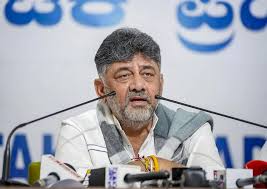
Deputy CM DK Shivakumar Bengaluru, December 23: The Bengaluru Metro network is set for a major expansion and will cover a total distance of 175 kilometres by December 2027, Karnataka Deputy Chief Minister DK Shivakumar said on Monday. The announcement signals a significant push to improve public transport and ease traffic congestion in one of India’s fastest-growing cities. Shivakumar, who also holds the Bengaluru development portfolio, made the statement after reviewing ongoing and upcoming metro projects at the Bengaluru Metro Rail Corporation Limited (BMRCL) office. Addressing reporters, he said the expansion plans include new metro lines, elevated double-decker corridors, and extensions into the city’s outer areas to meet rising travel demand. At present, Bengaluru has about 96 kilometres of operational metro lines. Shivakumar said the network will grow steadily over the next two years. By December 2026, an additional 41 kilometres of metro lines will be added. This will be followed by another 38 kilometres by December 2027, which will include the much-awaited metro connection to Kempegowda International Airport. Once completed, the total operational length of Namma Metro will reach 175 kilometres. Highlighting recent progress, Shivakumar said that after the current state government came to power, the 24-kilometre Yellow Line was commissioned. The line has already made a visible impact, with nearly one lakh commuters using it every day. He added that traffic police data shows congestion in the Electronic City area has reduced by around 30 percent since the line became operational, underlining the metro’s role in easing road traffic. The deputy chief minister also spoke about the government’s plans for Phase 3 of the metro project. He said tenders will be floated next month for constructing nearly 100 kilometres of new metro lines, with an estimated total cost of about ₹25,000 crore. A key feature of this phase is the construction of 42 kilometres of double-decker corridors, which will carry metro tracks on one level and road traffic on another. Calling it a first-of-its-kind project in the country, Shivakumar said such a long double-decker corridor has never been built anywhere in India. He added that the entire stretch will be constructed as an elevated corridor, helping save space while improving traffic movement. On funding, Shivakumar said the Japan International Cooperation Agency (JICA) will provide loans worth ₹15,600 crore for the project. He added that tenders for the remaining elevated corridor works, estimated at around ₹9,700 crore, are expected to be called in January. The expansion plan also focuses on improving metro connectivity to Bengaluru’s outskirts. Shivakumar said new lines will extend towards areas such as Nelamangala, Magadi, Tavarakere, Hosakote, and Bidadi. These extensions aim to support growing suburban populations and reduce dependence on private vehicles. He noted that efforts are underway to finalise land for a metro station near Tavarakere, a key location where traffic from Hassan enters the city. However, Shivakumar acknowledged that the project faces challenges, especially related to land acquisition. Ongoing court cases and heavy traffic at certain locations have slowed work in some areas. Despite these hurdles, he said the government remains committed to completing the projects on time. Addressing concerns about funding and contractor participation, Shivakumar said the state government will strictly follow the agreed cost-sharing model to ensure transparency and smooth execution. With Bengaluru’s population and vehicle numbers continuing to rise, the planned metro expansion is expected to play a crucial role in shaping the city’s future mobility. Once completed, the larger network is likely to offer faster, cleaner, and more reliable transport options for millions of daily commuters, helping Bengaluru move forward without coming to a standstill. Bengaluru Metro Network to Expand to 175 km by December 2027, Says Deputy CM DK Shivakumar Bengaluru’s public transport is set for a major boost in the coming years. Karnataka Deputy Chief Minister DK Shivakumar has announced that the city’s Namma Metro network will expand to a total length of 175 kilometres by December 2027. The plan aims to improve daily travel for lakhs of commuters and reduce traffic congestion across the city. Speaking after reviewing metro projects at the Bengaluru Metro Rail Corporation Limited office, Shivakumar said Bengaluru currently has 96 kilometres of operational metro lines. By December 2026, another 41 kilometres will be added to the network. This will be followed by an additional 38 kilometres by December 2027, which will also include the long-awaited metro link to Kempegowda International Airport. Once completed, the expanded network will connect more parts of the city and its outskirts. The deputy chief minister highlighted the impact of the recently opened 24-kilometre Yellow Line. He said nearly one lakh commuters use the line every day and traffic congestion around Electronic City has reduced by about 30 percent since it became operational. This, he said, shows how metro connectivity can ease pressure on roads. Shivakumar also shared details about Phase 3 of the metro project. The government plans to build nearly 100 kilometres of new metro lines at an estimated cost of ₹25,000 crore. A key feature of this phase is the construction of 42 kilometres of double-decker corridors, where metro lines and road traffic will run on separate levels. He said this will be the longest such corridor in the country and will be built as an elevated structure. Funding for the project will include loans worth ₹15,600 crore from the Japan International Cooperation Agency. Tenders for the remaining elevated corridor works, estimated at around ₹9,700 crore, are expected in January. The expansion will also extend metro services towards Nelamangala, Magadi, Tavarakere, Hosakote, and Bidadi. While land acquisition remains a challenge in some areas, the government said work is moving ahead as planned.