West Bengal Voter Roll Drive Leads to Unexpected Homecoming of Missing Man in Uttar Pradesh After Nearly Three Decades
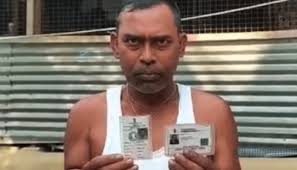
Muzaffarnagar | January 1, 2026 An administrative exercise meant to update electoral records in West Bengal led to an emotional and unexpected reunion in Uttar Pradesh’s Muzaffarnagar, where a 79-year-old man, long believed to be dead, returned home after nearly 28 years. Sharif Ahmad, a resident of Muzaffarnagar, surprised his family on December 29, 2025, when he walked back into his ancestral home. Sharif had been missing since 1997, and over the years, his family had gradually accepted that he was no longer alive. His sudden return was triggered by the Special Intensive Revision (SIR) of electoral rolls being carried out in West Bengal, an exercise that required him to collect old documents from his hometown. According to our report, Sharif had moved to West Bengal after his second marriage, which took place following the death of his first wife. He reportedly settled in Medinipur district, where he has been living with his family. Over time, communication with his relatives in Uttar Pradesh stopped completely, leaving his whereabouts unknown. Sharif’s nephew, Waseem Ahmad, said the family had made repeated efforts over the years to trace him. They even travelled to West Bengal and tried to locate him using the address provided by Sharif’s second wife. However, all attempts failed, and with no contact for decades, the family, including Sharif’s four daughters, assumed he had passed away. The turning point came when the SIR process in West Bengal required Sharif to submit documents linked to his place of origin. Needing papers from Muzaffarnagar, he decided to return home, a move that stunned his relatives and neighbours alike. “When he suddenly appeared, none of us could believe our eyes,” Waseem said. “We had accepted that he was no more. Seeing him after so many years was a deeply emotional moment for the entire family.” The reunion was marked by both joy and sorrow. During his brief visit, Sharif learned about several changes in the family over the past three decades. His father, brother and many other close relatives had passed away in his absence. Despite the losses, the family described the homecoming as a moment of relief and happiness, bringing closure to years of uncertainty. After spending some time with his relatives and collecting the required documents, Sharif returned to Medinipur, where he continues to live with his family in West Bengal. The SIR exercise in Bengal, which began on November 4, has been aimed at cleaning up electoral rolls by removing names of voters who are dead, have shifted, or are listed multiple times. The draft roll was published on December 16, and officials stated that over 5.8 million names were removed during the revision process. While the voter roll revision has sparked a major political controversy in West Bengal, with the ruling Trinamool Congress strongly opposing it ahead of the upcoming assembly elections, Sharif’s case highlights an unexpected human outcome of the exercise. What was intended as a routine administrative process ended up reconnecting a family separated by time, distance and silence. For Sharif’s relatives in Muzaffarnagar, the episode remains almost unreal. A man they had mourned in their hearts returned alive, carrying stories of another life built far away. As Waseem summed it up, “It feels like someone we lost years ago has come back from the past. This reunion is something we will never forget.” West Bengal Voter Roll Drive Leads to Unexpected Homecoming of Missing Man in Uttar Pradesh After Nearly Three Decades Sometimes, real life writes stories that feel straight out of a film. An election-related exercise in West Bengal has led to an emotional reunion in Uttar Pradesh’s Muzaffarnagar, where a man believed to be dead for nearly 28 years returned home alive. Sharif Ahmad, now 79, had gone missing in 1997. After the death of his first wife, he reportedly moved to West Bengal following a second marriage and eventually settled in Medinipur district. Over the years, all contact with his family in Muzaffarnagar was lost. Despite repeated efforts to trace him, including trips to West Bengal, his relatives failed to find him. With no news for decades, his family, including his four daughters, slowly accepted that he was no longer alive. The unexpected twist came due to the Special Intensive Revision (SIR) of electoral rolls in West Bengal. The exercise required Sharif to submit documents linked to his hometown. To collect those papers, he returned to Muzaffarnagar on December 29, 2025, shocking his family and neighbours. His nephew, Waseem Ahmad, described the moment as deeply emotional. The family, who had mourned him silently for years, could not believe their eyes. The reunion brought happiness but also sorrow, as Sharif learned that his father, brother and several close relatives had passed away during his long absence. After a short stay and completing the paperwork, Sharif returned to West Bengal, where he now lives with his family. The SIR process, launched on November 4, has removed over 5.8 million names from the draft voter list, sparking political debate in the state. Yet, for one family in UP, it became an unexpected blessing. A missing man returned. A family found closure. And a routine government process ended up rewriting a human story—proof that life can surprise you when you least expect it.